Writing Until It Hurts

When an idea explodes so loudly the book just writes itself..

Image by ha11ok from Pixabay

This is something I have written about before because this does happen to me every few books, but I just couldn’t resist talking about it again!

As you know, my next release The Dark Finds You (out on 9th January) can be read as a standalone but also ties up various storylines from some of my other books in a connected universe. Connecting some of my books up with characters and locations is something I really love doing! The Dark Finds You was such an easy and pleasurable book to write because the idea of how to link up some of my most beloved characters came so naturally that writing it felt like pure joy. It took six weeks and it felt like it wrote itself. This was back in 2023.

This also happened to me with Book One in the upcoming Black Hare Valley series. I wrote the first draft of book one in several notebooks over a six week period after we had a long-lasting power cut that prompted me to get writing. Each chapter led to the next and it just poured out of me. Most of the books that followed have been similar, although book 3 was a tricky one and book 5 still needs a lot of work.

Last week when I was reading through the paperback proof of The Dark Finds You to check for errors, I got addicted to the story once again. It brought back to me how much I love and understand these characters and before I know it my mind was asking questions. What if…? And then, what if…? You get the picture.

The thing is I did leave a few things a little bit open at the end of The Dark Finds You. I now wonder if I did that subconsciously because I still wasn’t ready to let go and say goodbye for good…

All I had to do was slightly alter the tiniest bit of dialogue in the novel for a part two to be possible…

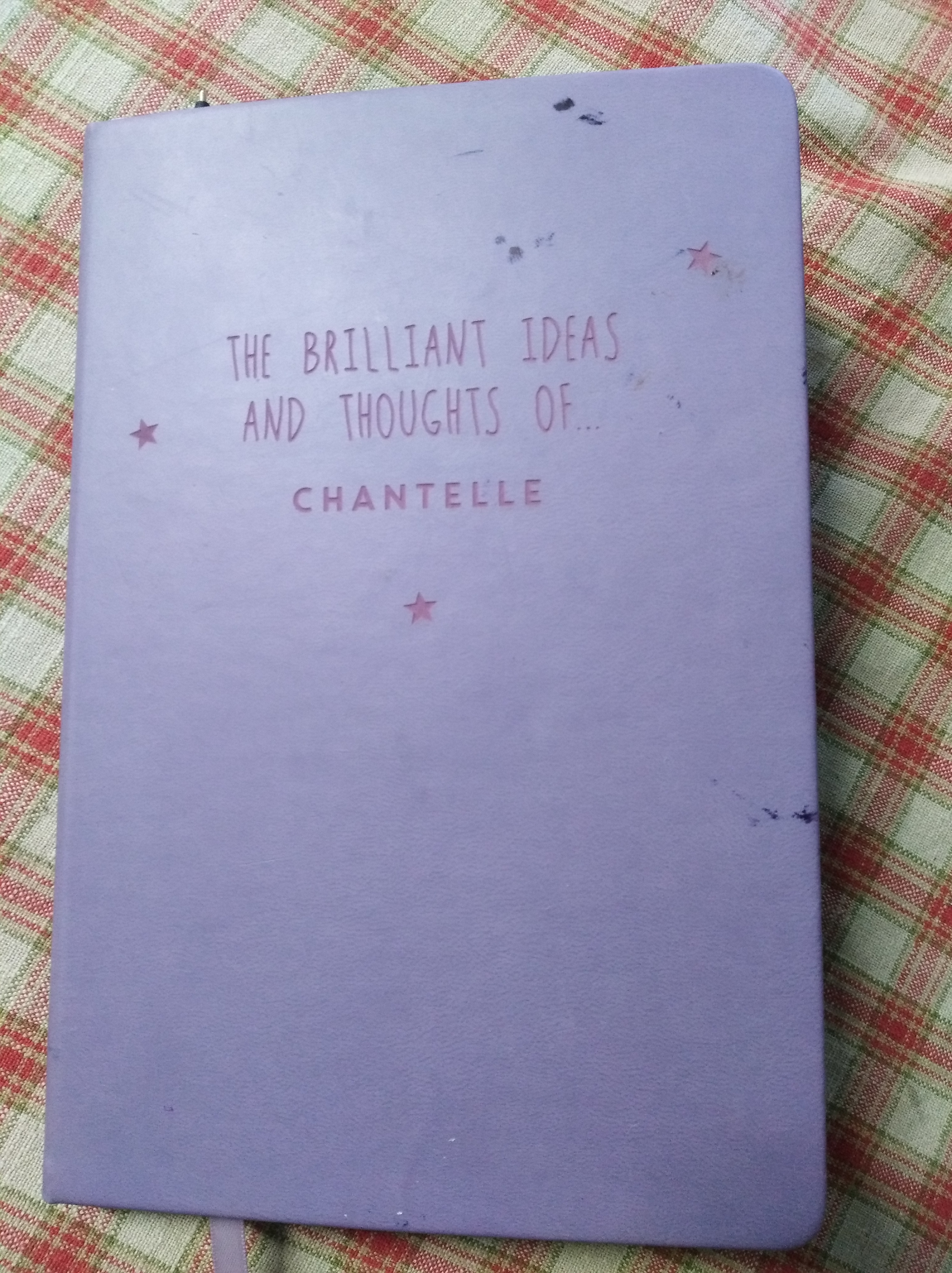
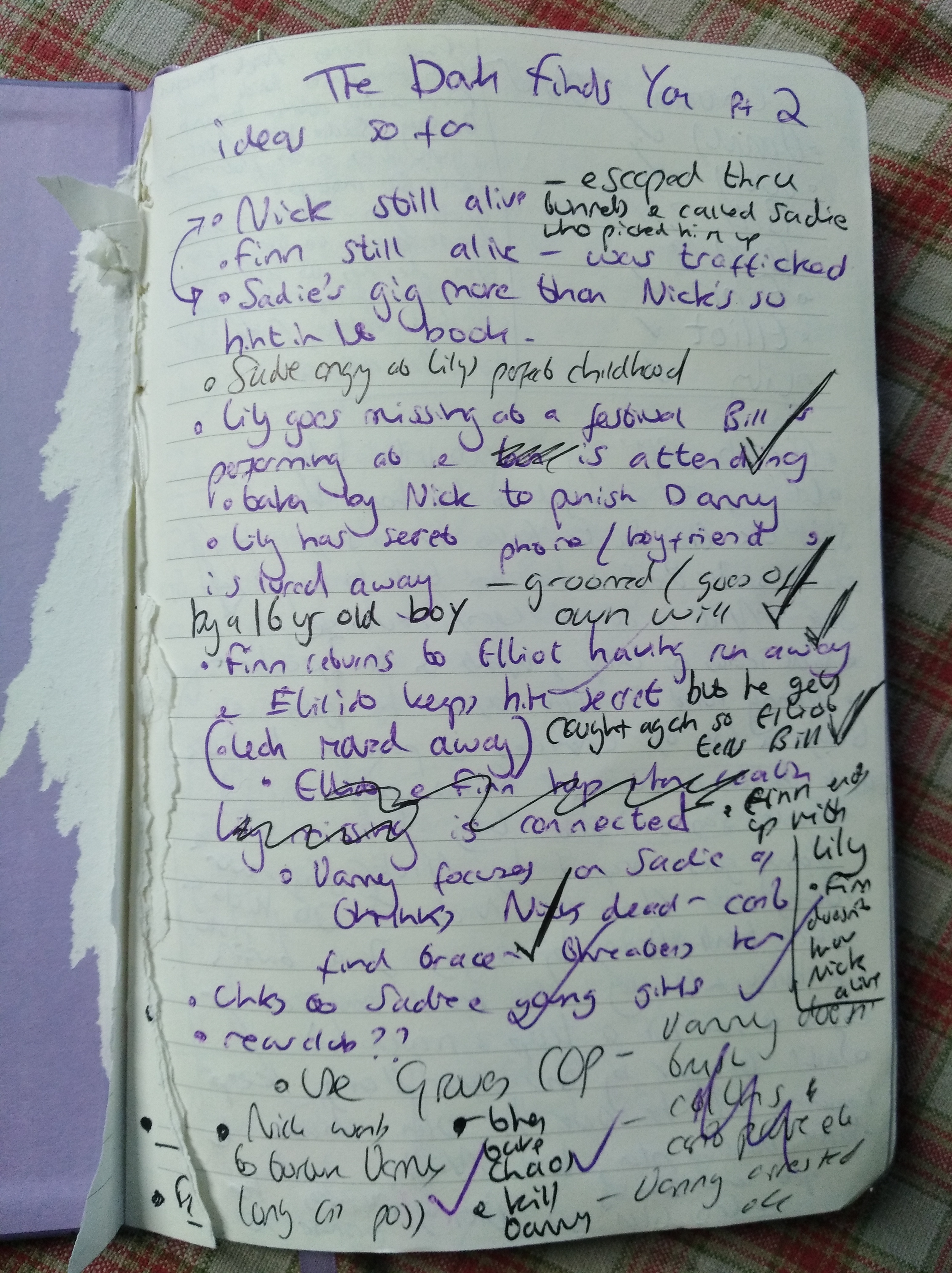
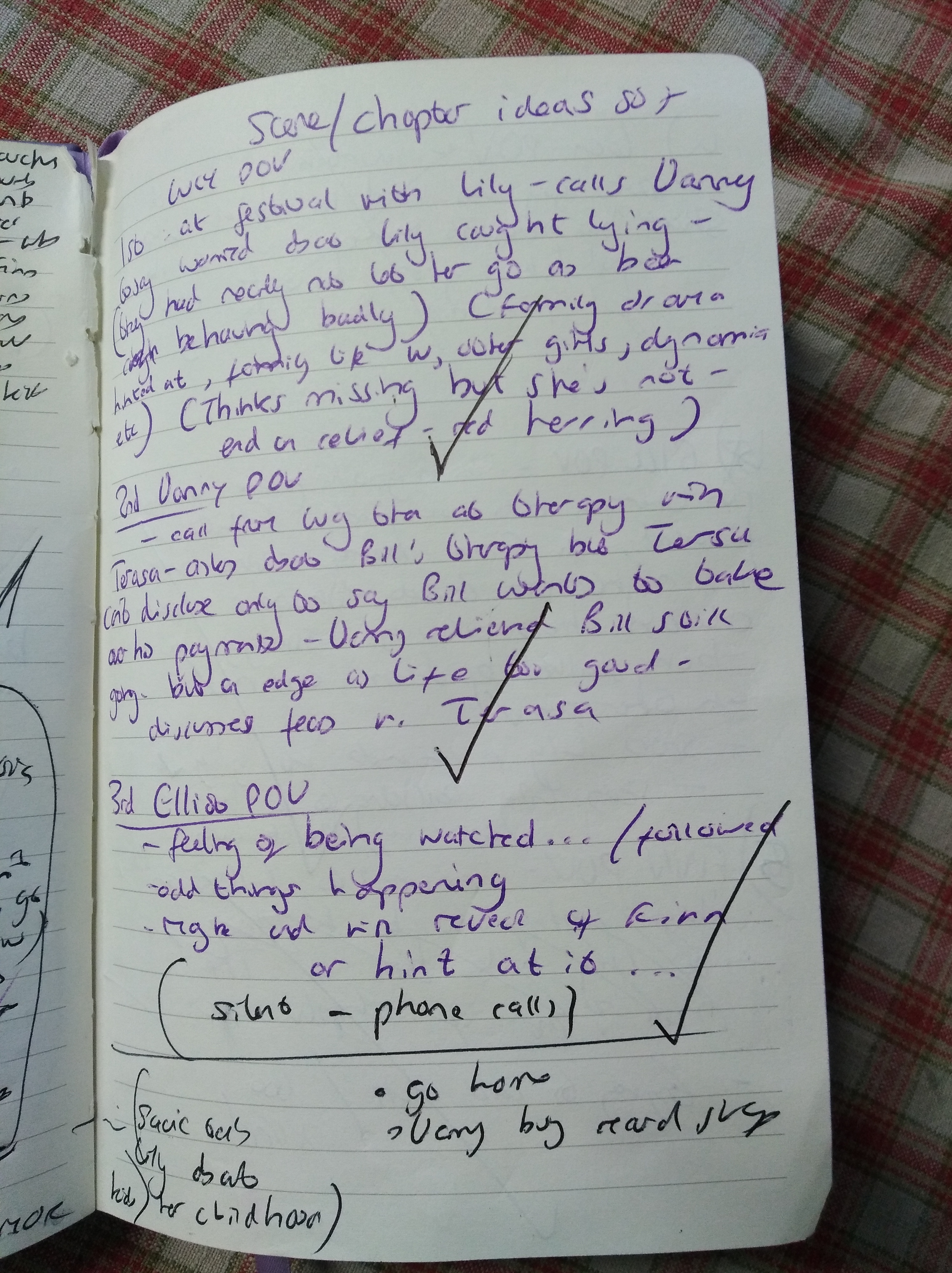
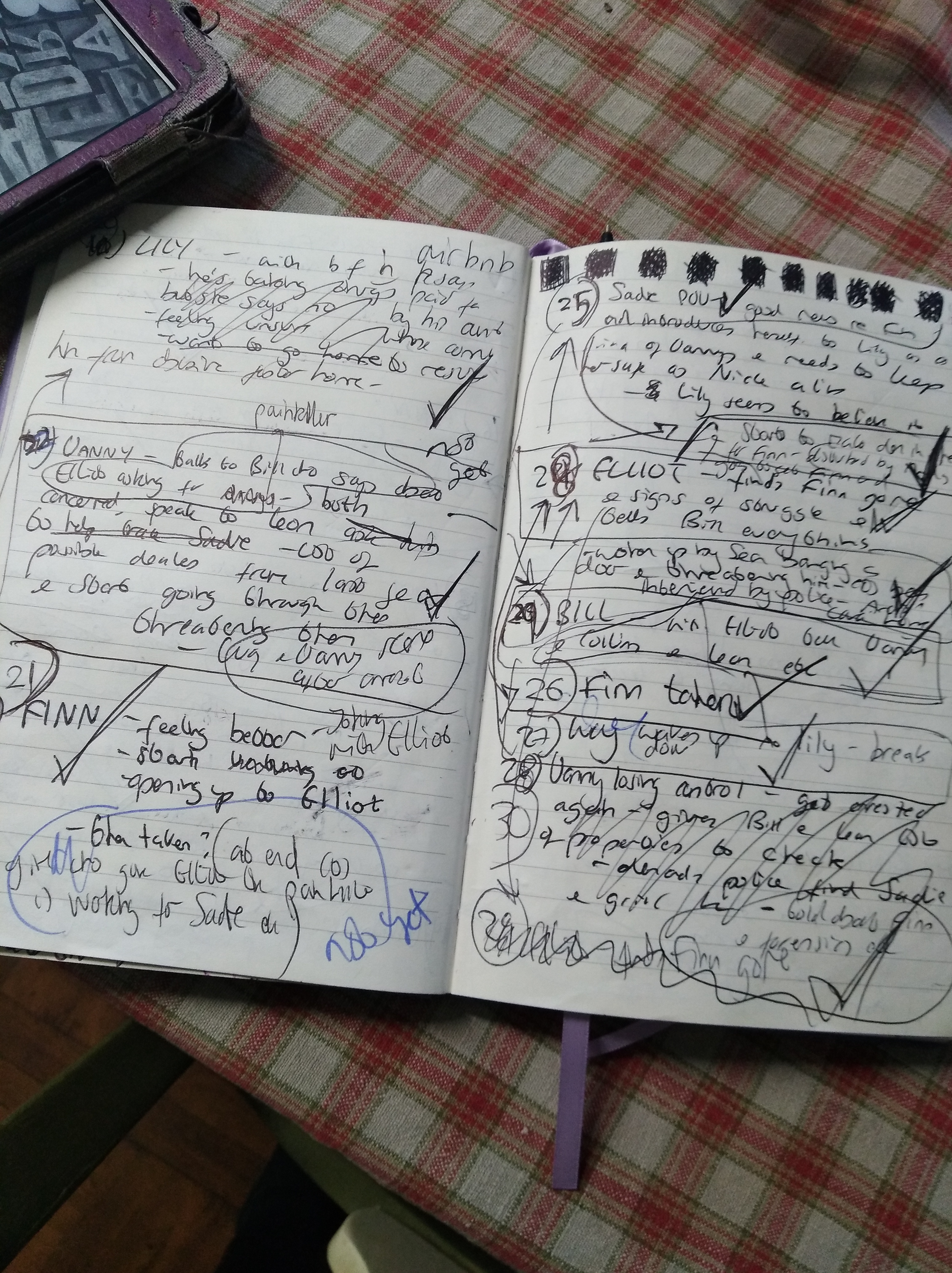
The idea hit me like a bullet and exploded into pieces in my brain so violently I had to very quickly grab a notebook and write it all down before I lost anything. By Thursday last week I had outlined the whole novel chapter by chapter and could not resist writing chapter one in a notebook.

That was it then, and by Sunday night I had 30,000 words.

That’s a big word count for a four day period, but funnily enough we did have another power cut during this time that left me with no option but to write!

Extra scenes have obviously squeezed themselves between my original chapter outlines, but other than that, it is all unfolding exactly as it did in my head last week. Which makes it so incredibly easy… I can only describe it as like being in a trance and just letting it all pour out of me as fast as possible!

When it goes this well, it becomes very addictive. You just don’t want to stop or let anything get in the way of writing, when it is just begging to be written and the next chapter is constantly filling your head screaming to be let out.

I wrote so much over the weekend that it physically hurt. I think that is a new thing for me. My shoulders, neck, back and eyes were all begging for a break, but I just wanted to keep going. I had to force myself to stop.

It will slow down as the week ahead progresses because I have work and life to contend with, but I know I will feel the intense pull of it every day until I get to my laptop in the evening.

Obviously, it doesn’t always work like this! Last week before this all kicked off, I finally finished the first draft of my family mystery drama The 7th Child. This was a book that had been waiting its turn patiently for years and had the plot, location and characters all mapped out ready to go. It went well to start with but it didn’t burst out of me in the same way and by the end of that first draft I hated it! I have figured out how to fix it though.

So, it’s not always like magic. Sometimes it is much harder work.

Which is why it is always worth celebrating the joy of it going so well!

If You’re Planning More Than Writing, You’re Going To Miss Out

A balance between actual writing and preparation is what to aim for

Image by Yerson Retamal from Pixabay

I’ve been running my own creative writing business for over ten years now. I used to run creative writing workshops for adults and kids, but these days I just concentrate on the kids. My writing clubs are run on Zoom or in person via after-school clubs, and my clubs are always full. My school clubs all have waiting lists. It thrills me to know there is a thirst for writing among young people and I love my job.

However, in all the years I have worked with young people and with adults, whether its running clubs and workshops, or taking part in literary and writing festivals, there is a phenomena I always come across and it always, always worries me.

The over-planner.

The writer, whatever their age, who plans, plots, preps and then plans, plots and preps some more. Often this process, for older writers at least, has been going on for decades. I have met countless adults who are still working on a book they had the idea for as a youngster. I fully understand that life gets in the way. That happened to me and I had a ten year break where I did not write at all. I also understand that self-doubt gets in the way and even money gets in the way.

Let’s not doubt that writing a book, finishing a book and publishing a book is a hard road to hoe.

But many writers seem to be self-sabotaging themselves from the beginning and I am curious to know why.

Within my writing groups, I come across three types of writer.

One, the writer who loves writing, happily responds to every and any prompt or challenge, writes short sharp things, declares them done and then moves on to the next.  These writers are a joy, and I predict that as they get older they will settle down to something a bit longer, something that takes more of their time, but for the moment they are having fun and more importantly, they are finishing things. 

The second type I come across is the ‘have a million stories on the go at once but rarely finish one’ writer the ‘have a million stories on the go at once but rarely finish one’ writer, and again, this is very common with young writers. I used to do this myself. I always tell them not to worry. Having too much to write is not a bad thing, it shows how much is going on inside your head and it also demonstrates that the writer is constantly being stimulated and inspired by the world around them. Great stuff. I have every faith that this writer too will eventually find a story they are passionate about and will stick with it and finish it.

The third type is the ‘have an amazing idea, have created an entire universe, but can’t stop planning and prepping’ writer. This one worries me and in my groups, I keep an eye on these ones as it is a tricky trap to escape from once you fall into it.

There is perfectionism at work here and we all know perfectionism can stop us writing. I think these writers are able to write regularly but everything becomes about planning the book more than writing the book.

Often it’s a complex story, perhaps one that has been with them a long time. It means a lot to them and they want to get it right and do it justice. And of course over time, the writer changes and matures and evolves, so they go back over their writing again and again noticing things they can improve. There is nothing wrong with doing this as a young writer by the way. In fact I would advise against publishing books at a very young age because undoubtedly your writing will get better as you get older.

But I come across a lot of adults with amazing stories they’ve been working on for years, yet they are still not ready to publish. This isn’t about them trying to find an agent, or trying to decide what publishing route to choose, this is about them not thinking the story is ready at all. This is about them working on it, planning, preparing, researching, plotting forever and ever…and never letting go of it to move on to the next thing.

For some reason they can’t quite let it go. They can’t quite share it or declare it finished. Or perhaps they can’t quite write it, because the planning has totally absorbed them and taken over. Some writers are natural planners. They like to plan everything out before they start. I’m talking full plot, sub-plots, intricate character profiles, location research, general research and much more. They often end up with a vast body of work which is undoubtedly impressive, but the story has still not been written.

My advice to this kind of writer is always the same. I always tell the young people in my writing groups that planning and plotting should be a balancing act alongside actual writing — dipping your toe in the water, if you like.

Some writers hate planning and just want to dive right in but I encourage them to do just the minimal amount. At least a plot idea, or brainstorm, at least a character bio or a vague idea for the location. Get that down then start writing. When you get stuck, go back to planning. Does this character need more fleshing out, for example? More back story or motivation? Do you now need to research the location a bit more so you’re not just winging it?

Planning and writing can go hand in hand and happen alongside each other. But they need each other. We cannot have a great story without a bit of planning and we cannot have a great story if we never write it because we are too hung up on the preparation.

Personally, I like to have a vague plot and my characters sorted first,  then the location and after that I start writing. I always like to know what’s roughly going to happen in the next chapter or two and that is enough to keep me going. The story and the characters undoubtedly change and evolve as I write and that is part of the beauty that too much planning can sometimes rob us of.

I don’t like knowing everything before I start – I like finding out as I go along.

But I also won’t start with a blank slate because I’d get stuck really quickly.

It’s all about balance.

For those who don’t finish, who spent maybe years planning and plotting and adding to their body of preparatory work, just consider how fast life goes. Please. On day it will be too late. How sad is that? My greatest fear is dying before I tell all the stories in my head. My goal is to get them all written and published before I die. I can’t think of a greater pain for a writer than bearing untold stories!

Once something is written, once something is out of your head and your planning notebooks, you can make it better. You cannot edit a blank page. You cannot improve a story that has not been written. You’ve got to become comfortable with the process of a first draft.

This is perhaps something some writers struggle with.

A first draft is you telling yourself the story. It should be basic and clumsy. Ugly, even. You should wince a little when writing it, but you should not let that stop you. You are building something for the first time. You are finding your way and if you start writing it, believe me, the characters and the world you have created will start to help tell it for you. A process will begin. Something simultaneously controlled by you and in control of you.

It’s magic, I promise.

I cringe at my first drafts but no one is ever going to see them. I don’t know my characters that well yet, despite the bios I’ve created. It feels clunky and unnatural when they speak or act, but I push forward. I tell the story. Once it is done I go back over it and wow, often its better than I thought it was! But if you don’t ever write the first draft, how will you know?

To the over-planners I say this. A first draft is your friend. A first draft is your starting point. A first draft is a promise. A first draft has so much potential and once it is written in all its stumbling unsure glory, you can sharpen up those perfectionist and over-planning skills and put them to use.

Preparation, notes, ideas, research and snippets are no good all on their own. Plus, you are missing out on the best part of writing if you never get past this stage — writing ‘The End’ and cracking open a bottle of bubbly to celebrate before the real hard work starts…

Go on. Stop planning. Write.

Peeling Back The Layers of Black Hare Valley

Writing the companion books is revealing secrets and aiding the development of my main book’s characters.

It is official.

I am in love with Black Hare Valley.

I have created a universe I am in awe of and addicted to. It has grown and evolved into something far more beautiful and complex than I ever expected, and I am enjoying myself as a writer immensely.

The story has grown from the map me and my son created for fun during lockdown, into what will be a three book series jumping backwards and forwards in time. When my son and I created Black Hare Valley’s physical form, I had no idea what characters would emerge from it, and at that point I had no plot either. I knew I wanted it to be a creepy little town with very dark secrets, and I knew I wanted my main characters to be teenage misfits forced together to try and solve the mystery of a missing boy. But that was it.

Four years later and I cannot believe how it has grown. It seems to have a life of its own right now and I am just along for the ride. Not a day goes by when I don’t come across a secret, a reveal, or an aspect of a character I had not been aware of before. There is a lot of work to do here, but I feel like I am building something very special.

So, what do I mean by peeling back the layers?

When you start to write a book, you usually start with a location, (I had that in great detail) characters, (they started to come to me one by one before I began writing) and a plot. It was the plot I was lacking, but one day I got the first chapter in my head. I knew how the book started. I knew which characters I could introduce by writing these scenes and I knew that as soon as I started writing them, it would take off by itself. And it did.

Once I had those first few chapters and had introduced the main characters, Jesse, Paddy, Jaime, Ralph and Willow, then everything else just flowed. I still didn’t know exactly what was going to happen or why. I knew one of them would go missing and the rest would team up to try and find out why. I knew they would come up against a sinister neighbourhood watch committee made up of the fearsome Sergeant Mayfield, Mayor Margaret Sumner, Vicar Greg Roberts, Head-teacher Edward Bishop, librarian Eugenie Spires and a few more. A few chapters later I knew that my committee of adults in power were very dangerous indeed.

More began to unravel as I wrote the first draft, but even at the end of it, I still didn’t have half of what I do today. I knew the committee were ancient and had been stealing and potentially killing children for centuries in order to preserve their immortality and the town’s, but I didn’t know why or how. That all came much, much later.

With the first, second and even third draft of the first book set in 1996, I had the bare bones. The characters were growing and evolving, the location was spot on, and the how’s and why’s were starting to come together.

Somewhere along the line I began to wonder if these characters own parents had experienced similar things when they were teenagers in the 1960s. At first, I just rewrote some of the scenes with the parents to try and hint that they had also investigated the committee and also grieved a missing child, but of course, once I had that in motion, more and more stories began to rise up. The layers were unpeeling one by one.

These revelations made the 1996 book much better but also set in motion ideas for a smaller, companion book set in 1966. That then made me wonder about 2026… Which of my 1996 characters would still be in the town? What would they remember? While things appear to be solved at the end of book one, are they really?

This was incredibly exciting and led me to where I am now.

Book one (1996) begins on May Day with a child going missing. A group of unlikely teens then band together to try to find the missing boy and in the process reveal dark and dangerous secrets about their beautiful town. They also discover that children have been going missing in Black Hare Valley for a long time. Every thirty years in fact… By the end of the book the group have figured almost everything out, found out what happened to missing Paddy and fought back, to some degree. Everything is calm. They’ve got what they wanted but they still don’t know everything…

Book two (1996) also begins on May Day with another child going missing, this time the May Queen. Her sister, Angie Radley, joins forces with some other teens to try and look for her and in the process they also discover some very strange and frightening things about their town. These teens are directly related to the teens in 1996. Angie Radley is the mother of main character Jesse Archer in 1996. Nicky Archer is Jesse’s father. Lizzie Wilkins is Willow’s mother. Frankie Maxwell is Ralph’s father. Some of these characters are still alive in 1996 but they are not much help to that group of teens… By the end of this book, we have had some reveals and the group have been split up and discouraged from investigating further. There is also a reveal in this book about the character who is the most to blame for the missing children…

Book three (2026) also starts on May Day, and we meet Lila Archer, Jesse Archer’s niece and Nicky Archer’s granddaughter. She’s up to no good and soon involves herself when another child goes missing. Some of our 1996 teens are still alive. Some are not. Some of them remember what happened in ’96 and some do not. But in order to solve the mystery once and for all and put a permanent stop to the committee, they must remember what happened in ’96 and ’66…

That’s where I am right now – with the whole of book three pretty much planned out and just waiting to be written. Once I have done the messy first draft of that I’ll return to editing the first book…

Exciting times!

I have now finished the rough first draft of 1996 and I am almost half way through 2026. I know where I am going and how to get there! It feels amazing…

It really does feel like one basic idea revealed itself to be simply one layer upon a multitude of connections. I am so excited about this series!

The End Is Really The Beginning

Over the weekend my excitement and sense of victory was growing.

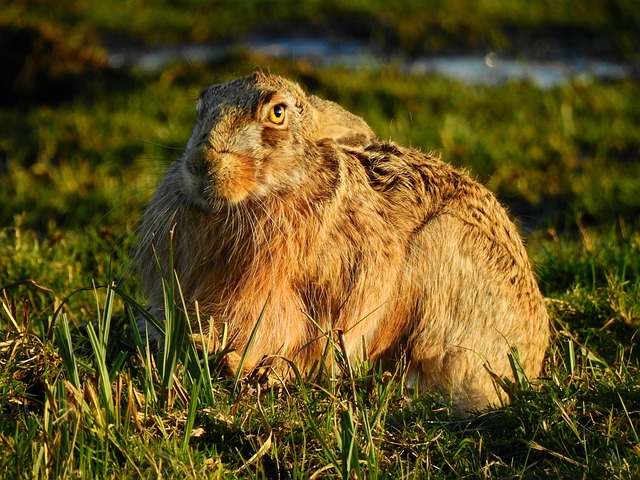
I was ever closer to finishing the first draft of one of my current WIP’s, Black Hare Valley. To recap, I had the idea for this book a few years ago. At the time, my son and I were both reading Stephen King’s It and enjoying the new film adaptations of the story. I suddenly had an urge to pay homage to the master of horror by penning a story set in a weird and eerie little town, where unlikely heroes (ie teenagers) are pitted against forces of evil. That was all I had. I wanted to create a town though and came up with the idea of Black Hare Valley. This was because I am rather obsessed with hares. Around this time we had also visited a well known iron age hill fort and after a bit of research on folklore and magic, my ideas started to grow. But what we needed first was a map. So, my son and I rolled out a long piece of paper and together created Black Hare Valley. It was so much fun, and as the town grew, so did my characters and their lives. That was as far as it went at the time. I was busy on other books and my son didn’t want to help write it. I folded up the map and tucked it inside the notebook alongside some ideas, research and character bios.

Around three years later, last February we had a 5 day power cut and a two week internet cut. This made it impossible for me to continue editing my 4-book series ready for release (The Day The Earth Turned) or work on what was my current WIP, the spin-off book from The Boy With The Thorn In The Side; working title At Night We Played In The Road…

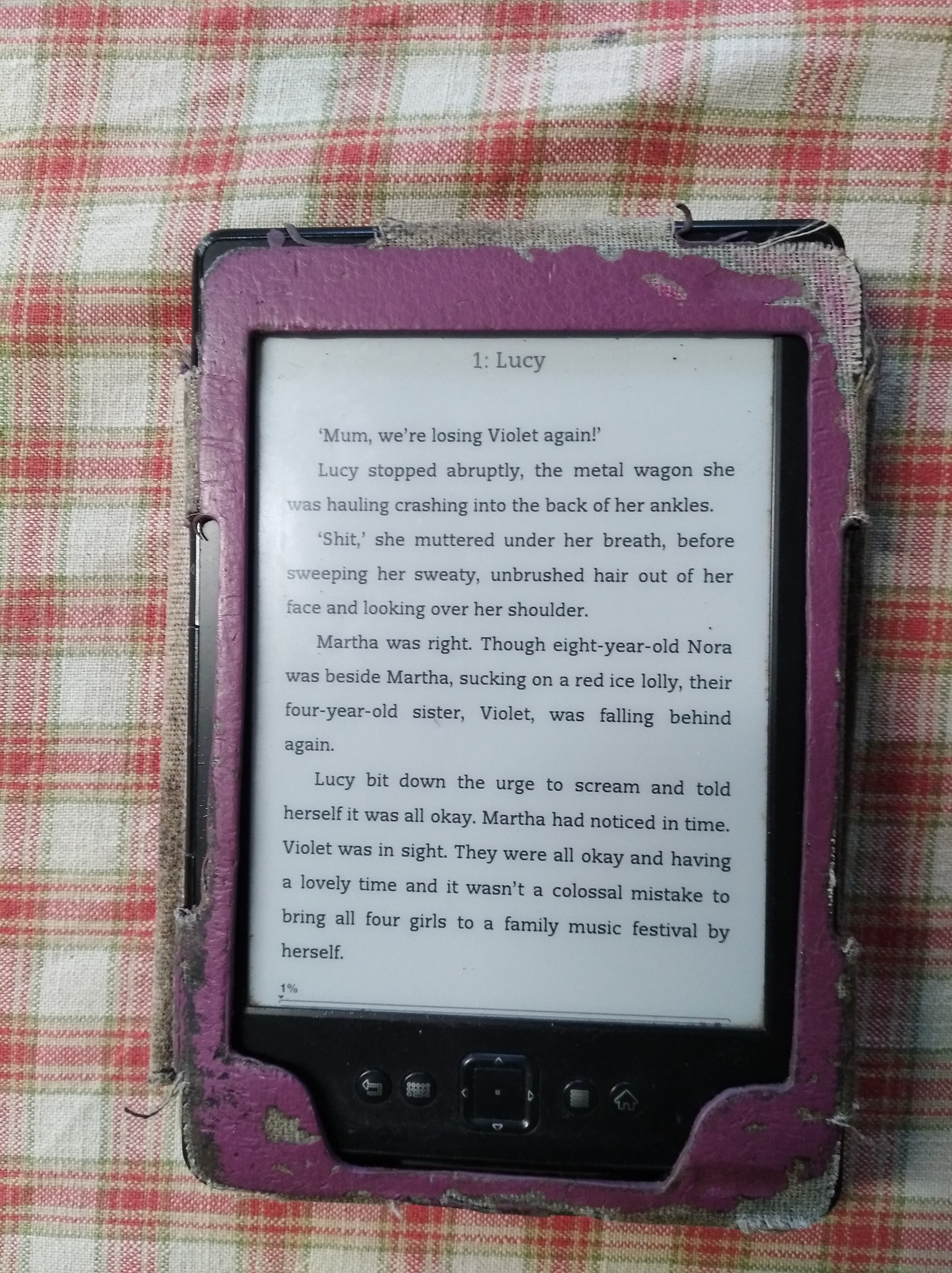
With no TV or internet, surrounded by candles and fairylights, I decided to pick up that notebook and unfold that map. I had an idea of how and where to start the story and thought I would just kill some time by writing the first paragraph. The paragraph morphed into a chapter, followed by another, and another, and another. I was then fully immersed and addicted and before I knew it, I had filled a notebook and started another. Since then, I have been scribbling down this story most days. There was a three week break in May where I concentrated on editing priorities and the release of the book I co-wrote with author Sim Sansford, (Hangman’s Revenge.) Also, I was abit stuck.

I had reached a point where I seemed to be heading towards some sort of climax but at the same time, I wasn’t sure what it would be or how it would happen or even what it would mean. This stuck feeling was made worse by the fact I had not yet gone back and read through anything I had written. It’s easier to do this when using Word on the laptop – with a scruffy notebook and illegible handwriting, it’s a bit tricky. So I just kept going, adding notes, extra ideas and so on to the front of the first notebook where my planning and character bios were. One day on a long walk I got the ending in my head and it all made sense. I was nearing the finish line and it felt great!

Knowing how it would end spurred me on and I wrote several chapters last weekend, just trying to get it down. Finally, on Monday night I wrote the last chapter, the last paragraph and the last sentence, followed by those delicious, victorious words; The End.

I felt amazing. It always feels amazing to know you have got there. You didn’t give up. You battled through plot holes and writer’s block of varying degrees, time constraints, lack of energy and all the other books wanting you to work on them! I did it! I was so happy, so excited and I still am.

Now though, the real work begins. For the end is really the beginning. I have a town, some characters, (all of whom need fleshing out, particularly with work on their families and back stories) I have a plot I really need to check through, ideas I need to embellish, scenes I need to add and a whole lot more. In short, the second draft will feel like the real story is being written. What I have here in these five scruffy notebooks, written in my horrific handwriting, covered in question marks and lines and arrows and bubbles of thoughts, is a skeleton waiting to be fleshed out. Waiting to come fully alive. I have the bones of a story, the beginnings of characters, and the idea of a world.

The second draft is my favourite because you find out what you have done. At this point, I am excited and in awe and I feel a bit like someone else wrote it! Was that really me, filling notebook after notebook, at night, in the car, while cooking dinner, by candlelight? Yes, it was me, but I feel like the real me is the one who has to now pick this thing apart and make it shine, make it work. The real work starts now. Well, not immediately now because I am going to give myself a break from it to let it breathe, and so that I can pay the same level of crazed addicted energy to my other WIP.

The first draft is a slog; a hesitant crawl to the finish line plagued by self-doubt and blocks of all sorts. It’s a battle, no doubt. The second draft is seeped in victory but its where things start getting technical. I am really, really looking forward to it. I know there will be countless drafts after the second to really polish it up, respond to beta reader feedback, edit, revise, edit, proofread and so on. But the second draft is all mine. It’s me and this book alone in a room and I cannot wait to get started!