When Fear Drives Fiction

So, I’m reading George Orwell’s 1984 for the first time and wondering if what deterred me from it for so long was fear of fear. By that I mean there is already so much to be afraid of in this world, why would I want to give myself more? I’m currently writing from a place of fear and uncertainty and it’s pretty obvious that I’m not the only human feeling like that right now. And I mean on a daily basis. It’s like that Monday morning stomach lurch, except it happens every morning. It’s like the heavy sluggish twisting guts you get before an exam, before a driving test, before you do anything you’re scared to do. Except it never goes away. It’s there all of the time. Weighing me down, wringing me out, making me pause to catch my breath. It’s like that too; like I can’t breathe properly, like there is a deep and shaking level of fear rising up to the surface, and if I am quick I can take a breath and send it back down again. Deal with it another day. Move on quickly into the light.

And there is light. It’s vital to remember that. There is light and love everywhere, and I hope you’ve got as much as I have in my life. When I feel too bad, when the sinking feeling starts to drag me down, I buck myself up and busy myself with the things I love. My beautiful children. Loud music. My garden full of flowers, vegetables and animals. Writing and books.

I’m examining the world right now and wondering if life imitates art, or if it is in fact the other way around. Does art reflect the world we have already created? Or does it project our fears for the future based on what’s going on around us right now? George Orwell must have been pretty terrified, that’s all I can think. Big Brother. Thought police. Uniforms and Two Minutes Of Hate. Chilling stuff. Which all feels rather apt and grim at the moment.

I’m writing to you from a post Brexit Britain. I hate the word Brexit. To me it sums up the dumbing down we’ve been subject to for so long now. Let’s join two words together and make a new one so we don’t have to say too many words! Now I don’t care how you voted, and I’m not going to talk here about my vote, or the whole situation in any real depth. I personally feel that there were good reasons to stay and to leave, but that as usual the government and the media focused on immigration and fed us lies, and what an ugly divisive country this now looks as a result. Let me say again, if you voted to leave, I respect that vote and your reasons for it, and I’m not going to talk about what might happen next. What saddens me most right now is the applause and delight demonstrated by far-right groups across the globe. Whether you like it or not, there are many people out there using this situation to legitimise racism and xenophobia, and that makes my heart sink. I thought we had come so much further than that, but it feels like we are slipping backwards all the time.

It feels like we are now adrift, with no one stepping in to guide us through this unchartered territory. The Labour party and the Conservatives are in turmoil. Everything feels weird and unsafe. I can’t help but wonder what future writing will evolve from this tumultuous time in politics. And that’s the only way to get through it, I feel. Write about it.

My next two books certainly reflect a lot of my current fears, thought I don’t think I was entirely conscious of it to begin with. The Tree Of Rebels was conceived one day when I signed an online petition to prevent Monsanto patenting seeds. I didn’t really know too much about the case, but some very concerned friends of mine deemed it a very serious issue, so I signed it and hoped for the best. It got me thinking though. What if a company could patent seeds? All the seeds? What if they could then, bit by bit, own nature? What if in the future, growing your own food was banned? Surely a government with complete control over nature, would have complete control over its people. The idea made me wonder further; how would this society operate without total rebellion? Well, the people would need to be thankful for what they were given, and what makes people thankful? Perceiving life to be better now than it was then. A story driven by wonder and what if’s…but ultimately fear. I’m a keen gardener myself. I worry so much about the state of the world, so I’m trying to become more self-sufficient, just in case. The thought of someone telling me it’s now illegal to grown my fruit and vegetables or raise my chickens and ducks is terrifying. The thought of a giant and powerful company with extremely dubious ethics essentially owning nature appalls me. So I wrote about it.

Writing helps me make sense of the world. Or at least it is my desperate attempt to. I guess we all have our fears. Things that keep us awake at night. I’ve felt for a while that the world and all it’s people are heading towards some kind of tipping point. Is the world now worse than it has ever been? I scroll through my Facebook feed to witness a never-ending roll call of human misery, animal abuse, environmental damage and worse than all of that; apathy. I feel sick to my stomach, as well as helpless, cynical and angry. Are these the most selfish times we’ve seen? The most brutal? Maybe it is all too easy to look back on the past too fondly. I’m guilty of this myself. I become convinced that the 1980’s and 90’s were a wonderful, simple time. Surely it was all lovely then, wasn’t it? Well no, actually. It’s just that I was a kid and totally unaware.

Fear and dismay drive fiction. We create stories we are frightened of as a way of warning ourselves and others. Helplessness spawns words and worlds and sometimes, if we are lucky, solutions. At least it makes us feel better, anyway. Elliot Pie was born of this frustration with the modern world and the way it is all heading. Elliot is 12 and he wants to do something to help his mother, who is refusing to leave the house after a number of hard knocks. How can he convince her the world is not a bad place filled with bad people?

It’s been quite a task for a writer currently so disillusioned and afraid. But I had to go back and look at it all through a child’s eyes. Elliot doesn’t want to give up on the world yet, or on life. He feels like the adults in his life have all written it off for him before he’s even had a chance to work it out for himself.

Like Elliot, and for my own children, I have to cling onto a dangerous and painful amount of hope. I stand by the very few politicians who have decent intentions. I hope the powers that be don’t prevent them trying to change things. I hope that people are not too apathetic, too far gone, too addicted to reality TV and pointless celebs to fight back before it is all too late. I hope George Orwell was wrong. I hope Elliot Pie is right.

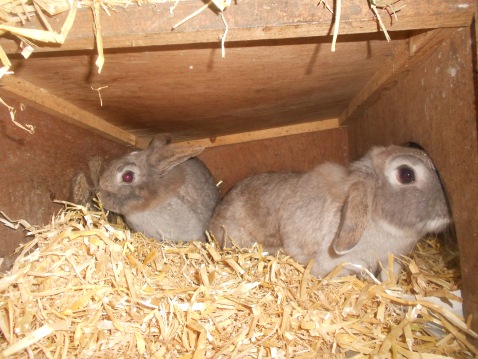
In the meantime, my advice to anyone feeling like I am right now, is to do what you can to ensure love wins. Whatever that means, in whatever way you can, make spreading love and tolerance part of everything you do. This morning I woke up feeling more positive than usual. I decided on the school run journey that I would be kinder than normal, and I let out as many waiting cars as I could. It was actually sad how many of the drivers looked genuinely surprised and thankful. I played some invigorating, uplifting music, told my kids I loved them, and decided that if the two little rabbits in the adoption centre of the pet shop were still waiting for a home, then I would get them. I’d had my eye on them for a while, and once I’d learnt their history (four years of neglect) it was a done deal. I know it’s not much in the grand scheme of things, but every little bit of love counts. And at least I changed the world for them.
DSCN3186.JPG


Beta Readers; Handing Over Your Baby

Sometimes I try and work out what the toughest part of writing a book is. Is it the first draft where everything is at its freshest, but also most fragile? Is it the second draft when you realise how much work your first draft needs? Or is it when you are edging closer to the finish line? When you are swinging between self-doubt and elation? I’m not sure, but I think handing it over to someone else to read for the first time has got to be up there as well.

Last Friday I finished the second draft of Elliot Pie’s Guide To Human Nature. This second draft took less time than I had anticipated and went surprisingly well. To be honest, it was more of a read-through than a rewrite. I’d left the book for some time while I focused on other things, so I needed to familiarise myself with the story and the characters. I found myself smiling whilst reading it. I genuinely love these characters and it was enjoyable and comforting to be back in their company again. Obviously I cut out words here and there, picked up on some minor plot holes and corrected any glaring typos. But generally, I have to say, this time around it was a pleasant second draft. I like this book a lot. I feel good about it. I feel like I had a clear and concise goal before I started it, and I feel like I have so far achieved it.

Of course, I’m not naive enough to think there won’t be major rewrites and frustration further down the line. If my other books are anything to go by there will be! But right now it all sits nicely with me.

Only now I’ve got to let someone else in on the secret. I’ve got to hand it over to beta readers and see what they think. Now it’s obviously up to the writer to decide when their book needs to be picked apart by betas, and with a lot of my other books it has been much further down the line. But handing Elliot Pie over now feels right. The basic plot is all there. I just need to know if it works. If it is believable. If they see the ‘twist’ coming. If the characters ring true. I need to know if it makes them laugh or cry. The structure of the book is also rather different this time around, and I might be completely wrong about it. I can’t say too much at the moment, but I have been slightly experimental in terms of point of view and tense. For me, right now, it works, but I am bracing myself for my beta readers thinking otherwise!

They are so important in this process though, so vital as the first set of readers to dive into this fictional world I have created. Will they see it the same way I do, or will they see plot holes and inconsistencies I’ve been blind to? Now feels like the right time, because if the particular layout and structure of the book doesn’t work for them, then I will need to do some serious thinking.

Handing your novel over to your betas is a strange and disconcerting feeling. It’s a bit like handing over a piece of your soul. When you write that first draft, you are writing just for you. You have no idea if it’s going to work or not. You just start and see what happens. Sometimes it’s a flop, other times it’s spectacular, but no matter how good you feel about the finished product, you can’t just rely on your own opinion. Handing it over to betas is the first step in what Stephen King so wonderfully describes as ‘killing your darlings’. Hopefully, if they are doing their job correctly, the betas will send it back to you with a long list of thoughts, feelings, corrections and criticisms. Of course you want to hear positive things about the book, but it’s the negative things you really need right now. What doesn’t work needs to be changed or cut out. Subsequent drafts after the beta response ought to set the culling in motion. If it’s not adding anything to the story, it has to go. Cut out the fluff, tighten it up and be ruthless. I don’t think I could enter this phase comfortably without waiting for the response from my trusted betas. It’s like once I’ve heard the good the bad and the ugly from them, I can start swinging my axe with confidence.

Having said that, I already have a rather long list of things I made not of while going through it. Things I need to amend or add or pay more attention to on the next draft. It will be interesting to see what else my betas pick up on. I’m so curious to know what they think of the book in general. I feel a mix of emotions right now. Impatience and excitement; will they love the characters as much as I already do? I feel anxious and nervous at the thought of them casting their critical eye over something I am rather in love with. I know I will have to brace myself for anything scathing that may come my way, and remember how much better it makes a book to have early critiques like this before you unleash it on the public. I’m also sure there will be things we disagree on!

It’s exciting though because it is all part of the process of writing and finishing a book. That first draft. The elation and pride when it’s done, when it’s written, when this thing that was once just inside of you, is now out and in story form! That second draft. You’re moving on, starting to get critical, cutting bits out, polishing it up. Sending it to first betas is another significant stage in the life of a novel. They are the first readers to tentatively enter the world you have created. They are part of the process of making it all the best it can be.

It’s a bit like this book is my baby and I’m watching it grow before my eyes. It’s taking it’s first steps and changing! It’s got so many more stages to go through and I know from experience that the road ahead is nearly always a bumpy one. Some of my books have had major rewrites at later stages, leaving them almost unrecognisable to what went before! It’s satisfying to have set it on it’s path though. I’ve given birth to it and set it on its wobbly way towards maturity! I can’t wait to see what happens next.

Please add your comments below! When do you feel the time is right to hand your work over to beta readers? Does it feel a bit like giving your baby away? What do you think is the toughest part of writing a book?


Author Interview; Robin Gregory

Today I am so excited to share my interview with award winning author Robin Gregory. Robin was born in Florida but grew up in California. She has worked as a journalist, a lay minister and an infant massage instructor for mothers and babies at risk. Her debut novel The Improbable Wonders Of Moojie Littleman is a beautiful and unique coming-of-age story, a mystical adventure, and quite simply one of the best books I have read in some time. Robin’s book has won the Gelett Burgess Children’s Book of the Year Award 2015, the IPPY Gold Medal – Best Cover Design – 2015, and is currently a finalist in Foreword Reviews – Indiefab Best Books of the Year and a finalist in the International Book Awards- Fiction – Young Adult 2016. Read on to find out more about Moojie Littleman and the inspiration behind it!

1-  The  Improbable  Wonders  of  Moojie  Littleman  is  a  unique  blend  of  magical   realism  and  coming  of  age.  Can  you  tell  us  how  the  book  came  about?  Where  did   the  idea  come  from?

Mostly,  my  son  inspired  the  book.  But  so  much  of  my  own  childhood  went  into  the   mix.  I  was  one  of  eight  kids  growing  up  in  a  pretty  messed  up  Catholic  family.  This   led  to  a  lot  of  heartache,  loneliness  and  feelings  of  “not  belonging.”  I  buried  most   of  those  feelings  for  a  long  time,  then  spent  twenty  years  trying  to  figure  out  why  I   was  so  unhappy.  The  healing  of  these  early  wounds  really  began  when  my   husband  and  I  adopted  a  baby  with  special  needs.  The  “not  belonging”  feelings   surfaced  when  I  witnessed  how  others  excluded  him.  His  daily  struggles  have  been   ongoing,  and  yet,  he  is  the  most  kindhearted,  courageous,  and  bright  boy  I  have   ever  known.  He  has  taught  me  to  forgive  the  past,  and  to  look  for  the  good  in   everyone  I  meet,  starting  with  those  who  exclude  him  or  look  down  at  him.

2-­How  would  you  best  describe  your  genre?  Was  there  an  intention  to  blend   genres,  or  did  the  story  just  evolve  that  way?

Oh  boy.  This  was  a  hard  one  for  me.  I  cringe  at  labels—any  kind  of  labels.  The   human  mind  wants  to  label  everything,  doesn’t  it?  It  wants  to  name,  package,  box   and  brand.  I  have  learned  that  one  of  the  best  ways  to  find  inner  peace  and   happiness  is  to  abstain  from  doing  this.  Our  opinions  are  vastly  limiting  and   troublesome.  MOOJIE  LITTLEMAN  is  about  coming  of  age,  but  also  about  spiritual   awakening.  The  book  would  probably  fall  best  into  the  “Visionary”  category,  but   few  bookstores  have  a  shelf  for  that.  Magical  Realism  works  better  as  a  category   than  Fantasy  since  the  story  is  grounded  in  physical  reality  while  encompassing   mystical  themes.  And  Magical  Realism  gave  me  a  way  to  climb  into  Moojie’s  skin,   and  live  from  a  soulful  point  of  view,  not  just  physical.  I  wrote  the  story  for  fluent   readers  of  all  ages,  but  my  publisher,  editors  and  agent  convinced  me  to  market  it   as  Young  Adult.  They  were  looking  at  Moojie’s  age,  the  PG  rating,  and  the  allusions   to  The  Odyssey,  which  students  in  the  US  study  from  age  12  to  18.  It  pleases  me  to   no  end  that  the  book  has  won  awards  in  Young  Adult  and  Adult  categories.

3-­ Do  you  have  any  personal  beliefs  or  passions  that  influenced  the  book?

To  expand  a  little  on  the  first  question,  my  spiritual  practice  has  been  key  to   shaping  the  story.  I  believe  we  are  all  coming  of  age  spiritually;  that  is  why  we  are   attending  what  a  friend  of  mind  calls  “Earth  School.”  In  the  past  twenty-­one  years,   I  have  seen  all  kinds  of  healing,  and  have  come  to  the  realization  that  nothing  is   incurable.  Several  of  the  so-­called  miracles  in  the  story  actually  did  occur  in  my   life.  A  part  of  me  has  been  wanting  to  teach  others  that  what  they  consider  to  be   miracles  are  perfectly  natural  events.  The  key  to  accessing  miracles  lies  in  our   ability  to  give  up  limiting  beliefs,  judgments  and  labels—to  stop  naming  things,   conditions  and  people  as  “good  or  bad.”  Even  Shakespeare  knew  way  back  that  we   evaluate  others  according  to  our  own  self-­image.  It  is  important  to  remember  that   messed  up  folks  are  doing  the  best  they  can.  Those  who  have  been  mistreated,   mistreat  others.  We  begin  to  stop  the  crazy  cycle  of  fear  and  hatred  by  knowing   and  living  this.  I  am  not  suggesting  that  people  should  not  be  imprisoned  for  their   crimes.  I  am  saying  that  if  we  fear  and  hate  them,  we  are  part  of  the  ongoing   problem.  People  who  fail  to  love  do  so  because  they  do  not  know  how  to  love.   MOOJIE’s  story  is  a  parable  to  help  others  examine  their  actions  and  beliefs.  To   help  stop  the  cycle  of  hatred  toward  oneself  and  others.  Compassion  is  a  mighty   healing  balm.

4-­ Tell  us  about  your  writing  process.  Are  you  a  plotter  or  someone  who  starts   writing,  and  waits  to  see  where  it  will  go?

It  may  have  been  a  great  disadvantage  to  write  MOOJIE  by  the  seat  of  my  pants.  I   had  about  500  pages  before  I  took  a  serious  look  at  story  structure.  Blake  Snyder’s   SAVE  THE  CAT,  a  book  on  scriptwriting,  and  John  Truby’s  THE  ANATOMY  OF  A   STORY,  helped  me  revise  pacing,  action  and  character  arcs.  Would  I  have  saved   myself  years  of  rewriting  had  I  had  a  clearer  vision  of  plotting  in  the  beginning?  Oh   yeah.    But,  what  can  you  do?  Sometimes  you  sit  down  to  write  and  the  bloody     characters  just  take  over.  They  just  do  not  behave  at  all.  Not  very  decent  of  them,   is  it?

5-­ All  the  characters  in  Moojie  Littleman  were  memorable  and  well  drawn  -­  tell  us   how  you  managed  to  create  such  realistic  and  believable  characters?  Are  any   based  on  people  in  real  life?

Thank  you  so  much.  You  know,  from  the  time  I  started  imagining  the  story,  I  was   taking  mental  notes  on  people.  What  was  it  that  made  them  interesting?  What   are  they  pretending  not  to  know?  How  do  language  and  appearance  reveal  their   deeper  beliefs?  And  mostly,  how  are  they  shaping  their  world  through  choices?   Almost  every  character  in  the  book  is  a  composite  of  those  observations,  warts   and  all.  Life  is  not  easy  for  anyone.  I  did  not  want  to  present  characters  as  good  or   bad  as  much  as  being  in  differing  stages  of  awakening.  Each  has  their  own  inner-­ outer  struggle;  each  has  their  limitations  to  overcome.  Like  many  of  us,  they  fail  to   live  up  to  their  own  expectations.  I  ended  up  loving  them  all  for  who  they  are,  and   who  they  are  not.

6-­ Moojie  himself  was  incredibly  endearing.  Is  his  story  over?  Or  will  there  be  any   further  stories?  

I  am  so  glad  you  feel  that  way  about  Moojie!  When  I  set  out  to  write  the  story,  I   knew  that  fictional  characters  with  physical  or  mental  challenges  are  rarely  given   front  and  center  stage.  They  are  usually  confined  to  secondary  roles.  I  felt  it  was   absolutely  imperative  that  Moojie  steal  the  readers’  hearts.  My  son,  who  has  been   blessed  with  amazing  charisma,  helped  a  lot  with  this.  I  would  love  for  Moojie’s   story  to  continue.  Now  that  I  am  acquainted  with  the  characters,  I  know  how  to   take  better  charge  of  them.  I  will  insist  that  they  go  play  elsewhere  while  I  rough­out  the  plot.  Ha!

7-­When  did  you  first  know  you  wanted  to  be  a  writer?

This  question  always  makes  me  smile.  I  often  hear  about  writers  who  knew  of   their  calling  before  they  cut  their  first  teeth.  Not  in  my  case.  I  had  a  tough  time   learning  to  read,  and  a  mother  of  eight  children  has  no  time  to  read  to  her  litter.   My  father  was  a  pilot  in  the  Korean  and  Vietnam  Wars,  and  mostly  gone.  I  didn’t   start  reading  fluently  till  high  school.  My  life  changed  when  I  discovered  Kana  and   Hemingway.  As  a  teenager  living  in  a  perpetual  state  of  underwater,  I  turned  to   journaling  to  save  me  from  the  emotional  tsunamis.  That  led  to  short  stories,   poetry,  and  eventually  longer  fiction.  I  never  thought  of  myself  as  a  writer.  Writing   was  just  something  I  did.

I  love  what  Robertson  Davies,  the  Canadian  novelist,  once  said:  “There  is   absolutely  no  point  in  sitting  down  to  write  a  book  unless  you  feel  that  you  must   write  that  book,  or  else  go  mad,  or  die.”

8-­ Tell  us  about  your  writing  and  publishing  journey  so  far  -­  which  paths  you  have   followed  and  why?

When  I  graduated  from  college,  I  took  an  internship  at  a  local  newspaper.  It  was   fantastic!  I  learned  to  get  that  first  draft  down—and  fast.  That  led  to  writing   freelance  articles,  and  book  and  movie  reviews.  Then  I  wrote  my  first  screenplay   and  novel.  They  were  pretty  awful.  But  they  taught  me  a  lot-­mostly  humility.   Writng  is  like  being  in  the  circus.  You  have  to  jump  though  hurdles  the  same  way   acrobats  jump  through  burning  hoops  in  order  to  learn  how  not  to  make  mistakes   that  get  you  burned.
It  took  thirteen  years  to  write  MOOJIE.  Thirteen  years  because  I  had  to  evolve  in   order  to  deliver  the  story  in  the  manner  it  deserved.  During  that  time,  the  book   has  been  workshopped,  shared  with  a  number  of  alpha  and  beta  readers,  put   through  2  manuscript  consultations  and  edited  by  five  pros.  After  submitting  to   agents  and  getting  nowhere,  I  contacted  publishers  directly.  Three  publishers   offered  me  sub-­standard  contracts,  which  I  turned  down.  (Thank  heavens  SCBWI,   a  writer’s  org  that  I  belong  to,  provided  a  manual  with  standard  publishing   contracts.  Holy  moly!  Publishers  will    take  your  skivvies  if  you  let  them!)  I  wanted   to  keep  my  rights,  to  choose  my  cover,  and  be  the  one  to  decide  when  the  book   was  ready  to  print,  among  other  things.  While  researching  my  options,  I   discovered  Wyatt MacKenzie  Publishing,  Inc.  (h=p:// http://www.wymacpublishing.com/),  a  traditional  publishing  house  that,  for  20  years  has   offered  consultation  and  assistance  to  indie  authors.  I  contacted  some  of  their   authors,  and  they  gave  stellar  reviews.  After  an  hour  consultation  with  Nancy   Cleary,  the  publisher,  I  knew  the  indie  consulting  program  was  right  for  me.  And  it   has  been  fantastic!  I  can’t  say  enough  about  Nancy’s  guidance,  respect,  support,   and  expertise.

9-­ What  advice  would  you  give  to  a  new  author  who  is  about  to  launch  their  new   book?

I  am  assuming  that  the  author  wants  to  be  a  pro.  In  this,  she  has  already  had  her   book  read/reviewed  by  at  least  10  people—beyond  buddies  or  family  members,   who  will  love  every  word  you  write  no  ma=er  what.  I  am  assuming  she  values   brutally  honest  feedback  because  that  is  the  way  the  public  is.  I  am  assuming  that   she  has  listened  to  the  feedback,  and  revised  for  clarity  and  tightness.  I  am   assuming  that  she  has  given  the  book  plenty  of  time  to  ripen.  Right  down  to  the   last  day  before  I  sent  my  book  to  the  presses,  I  was  deleting  or  rewriting  passages   if  they  didn’t  sparkle.  The  editor  had  to  practically  tie  me  down  to  get  me  to  let  go   of  the  manuscript.
That  said:
—  If  you  want  your  book  to  make  a  dent  in  sales,  your  manuscript  must  be   professionally  edited  and  proofed.  The  cover  (front  and  back)  needs  to  be  equally   polished  and  interesting.  Yes,  this  costs  money.  But  if  you  do  not  include  this  in   your  budget,  you  might  as  well  not  spend  the  money  to  publish  (unless  you  are   merely  doing  it  for  family  &  friends).  As  most  of  us  know  by  now,  the  key  to   marketing  rests  upon  getting  reviews.  If  your  cover  isn’t  delicious,  and  your  editing   is  sloppy,  people  won’t  even  sign  up  for  free  copies.  There  are  simply  too  many   other  professional  books  to  choose  from.  A  cover  created  by  your  amazingly   talented  brother  who  won  a  ribbon  in  the  high  school  art  fair,  might  be  beautiful,   but  can  it  stand  up  to  the  covers  on  booksellers’  shelves?  If  not,  your  book  will   probably  disappear  into  cyber  space  with  millions  of  others  whose  authors  were  a   little  too  anxious  to  go  to  press.
—  Start  marketing  your  book  four  months  before  the  release  date.  Yep.  Four   months!  Send  it  to  pro  reviewers  (Kirkus,  Foreword,  Publisher’s  Weekly).  Enter  it   in  contests.  Do  a  few  giveaways.  Create  an  audience  on  social  networks  by  posting   samples,  sharing  news  and  reviewing  similar  books.  This  will  give  you  a  chance  to   build  up  a  pre-­order  list  on  Amazon.  It  is  only  the  beginning.  And  it  is  crucial.

10-­Tell  us  a  bit  about  your  next  release. What are you working on right now?

While  playing  with  a  MOOJIE  sequel,  I  am  also  writing  a  collection  of  inspirational   prayer-­poems  and  a  guide  to  spiritual  healing.  There’s  also  the  audio  book  project   of  MOOJIE,  through  ACX.com.  It’s  an  amazing  process.  I  have  to  give  Amazon   kudos  for  providing  such  a  user-­friendly  service.  However,  my  reader  has  stepped   away  from  the  project  to  sort  out  personal  problems,  so  the  release  is  delayed.

11-­ What  would  you  like  readers  to  take  away  from  The  Improbable  Wonders  of   Moojie  Littleman?

I  would  love  for  my  dear  readers  to  realize  that  freedom  is  a  choice.  No  ma=er   what  difficulties  we  face,  be  it  loneliness,  physical  or  mental  problems,  lack  of   opportunity,  not  enough  money,  lousy  parents,  even  homelessness,  there  is  a   Source  of  unconditional  love  available  to  each  of  us.  We  can  grow  through  joy   rather  than  pain  and  suffering.    It  takes  effort  and  trust  to  rewire  our  thinking,  but   we  can  open  ourselves  to  receive  miracles  that  freely  and  gladly  offered.  When   this  Immaculate  Heart  is  felt  in  the  still,  deep  pool  of  our  being,  we  can  begin  to   experience  joy  and  freedom  beyond  your  wildest  dreams.  I  know  this  is  true.  I   have  lived  it.

Robin, thank you so much for agreeing to do this interview!

You can find out more about Robin by following her on social media;

Facebook

Website

Goodreads

Twitter


Author Interview; Mark Gillespie

51Wy964TprL._SX311_BO1,204,203,200_
Indie author Mark Gillespie currently lives in Melbourne, Australia, although he originally hails from Glasgow, Scotland. Mark is the author of two alternative history novels; FAB (FAB Trilogy Book 1) which examines what would have happened if John Lennon had not been killed, and recently released L-2011 (Future of London Series #1) which asks what if the 2011 London riots had gone on, and on? Mark has also penned a unique collection of short stories The Outsider Tales. Here he talks to me about his favoured alternative history genre, the idea behind L-2011, his journey so far as an indie author and his future projects. Enjoy!
1 – How would you describe your work? What genres do you feel comfortable in?
I tend to go with ‘Speculative Fiction’.  I know that’s a huge umbrella term that covers many things like sci-fi, fantasy, horror, and other sub-genres.  Narrowing it down, I’d say my own preferences – both for reading and writing – are alternate history, apocalyptic and horror.  But anything dark and imaginative is good.
2 – L-2011 is set during the London riots of 2011, and explores what might have happened next…Can you tell us where you got the idea for this novel from? How did it evolve?
The idea to write about the London riots was inspired by a friend of mine.  She lived in Croydon during the riots and her flat was burned down, taking everything with it – her two cats, her musical instruments which she used to earn a living.  And God knows what else she lost.  Up until then, the London riots had just been something on the news for me.  After that, it was real and I couldn’t let go.  Not long after that, I wrote a post-apocalyptic short story, which drastically evolved over the course of five years, eventually morphing into L-2011.
3 – I understand L-2011 is going to be part of a series – when will the next books be out and can you tell us anything about them?
Yep sure, it’s a series called ‘Future of London’ about errr, the future of London 🙂 Or at least the one in my head.  I hope to have the second book out by late September/early October.  I write fairly short books – novella/short novel sized, so fingers crossed it’ll be done by then.  I can tell you that the next one is set nine years after the events depicted in L-2011.
4 – Tell us how you write your novels. Do you get the characters first, or does it all come from a plot idea?
I start with an interesting situation and run with it.  After that, it’s all systems go and I’m absorbed in the idea.  Regarding work techniques, I’m neither exclusively a plotter or a pantser  – I’m a ‘plontser’.  
5 – What is your writing process like? ie how much time do you dedicate to writing, how do you stay focused etc
On average, I’d say 6 days a week for an average of about 4-6 hours a day of writing.  First draft it’s 1000-2000 words a day, then with further drafts it’s 2-3 chapters editing per day.  Past failures, disappointments and frustrations spur me on.  That’s how I stay focused.  It’s also how I get out of bed and go to the desk at 6am on a freezing winter’s morning, and still be there at 10pm (with a couple of breaks in between of course!)  You’ve got to be a little bit mad to be a writer.
6 – When did you know you wanted to be a writer?
Early 2011.  I’d just ended another creative career and was drifting in No-Man’s Land for a while.  I wasn’t sure where I was going and then, as I was preparing to embark on an English degree, I got the writing bug when we studied short stories by the likes of Raymond Carver and John Cheever.  It was always there a little bit though, the bug – I’d dabbled with writing in the past and I was an avid reader.
7 – What made you decide to take the indie route into publishing?
I attended an intensive two day publishing course in Melbourne.  This wasn’t long after I’d moved to Australia from Scotland.  Both trad publishing and indie publishing were covered in the course and the indie session was head and shoulders above the rest.  To sum it up, it was all about what writers could do for themselves rather than begging the gatekeepers and God knows who else for a break.  I actually wrote a blog post about the decision to go indie – (link to post)
8 – What would you say are the best and the worst things about being an indie writer?
The best thing is the absolute freedom to do what you want.  You’re the star, director, and producer of your own movie.  But it’s kind of the worst thing too in terms of workload.  And at the start, it’s tough because nobody who isn’t a friend or is related to you cares about your book.  That’s where oodles of stubbornness and perseverance come in handy.  Play the long game, just keep reminding yourself of that.
9 – What advice would you give to anyone who has finished their first novel and is about to embark on the indie path?
Write another book.  And do it quickly, but don’t skimp on the quality or the editing and all the things you need to do well.  As indies, we have to produce good work and we need to do it consistently to remain visible.  None of this one book a year crap for the likes of us – not unless your book genuinely takes a year to write of course!  But I feel most writers are capable of a greater output than that.
10 – Where would you like to be five years from now with your writing?
Ha-ha, that’s funny you should ask.  I’ve been reminding myself to write a five-year plan for a while now, but it’s taking me five years to getting around to writing my five-year plan.  Five years from now, when I’m finished, I’ll let you know 😉
11 – What are you currently working on? What other projects are on the go?
I’m on the brink of completing the first draft of the second book in my FAB trilogy.  This is another alternate history series which asks ‘What If John Lennon Had Lived?’  In between drafts, I’ll be outlining the second book in the London series too.
12 – Tell us three interesting things about yourself
I was a professional musician (bass player) for 10 years.  I toured around the UK and Ireland a lot, and got into some hilarious situations (that’s a book in itself)  Also, I got married on a mountain top in New Zealand in 2014 – that’s two interesting things – jeez, there must be something else interesting.  Oh yeah – I used to work as a bouncer in Glasgow.  There’s a book in that too 🙂   
You can find out more about Mark by following him on social media;
Facebook  Twitter and his  website