Why I’m Deleting Apps and Returning My Phone To Just Being a Phone

And how I will still maintain an online author presence
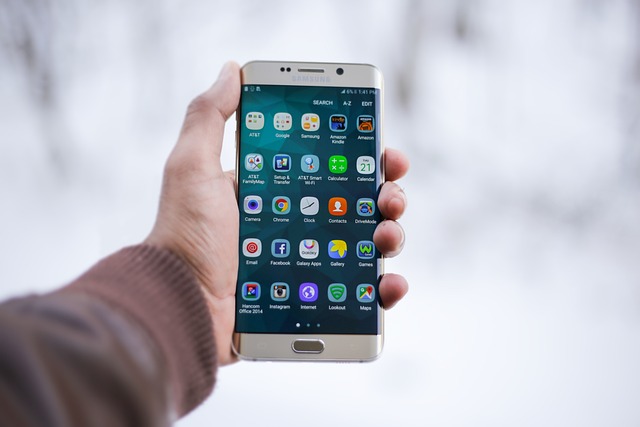
Image by Pexels from Pixabay

Do you remember when you got your first mobile phone? I guess everyone does. I was twenty, it was 1998 and my friends had collectively bought me one for my birthday. I hadn’t expressed any longing for one – at that point it was still relatively rare for people to have one – but some of my friends had had phones for a while and they wanted me to join in. It was a nice gift. A chunky little pay-as-you-go Nokia.

It was a novelty to start with. Kind of fun to send a text or get a phone call. They couldn’t connect to the internet and most of us hadn’t even started using the web yet. We had no need to. Those early phones could not take photos either. They had chunky push buttons and you had to pay for cool ring-tones.

We were innocent in our acceptance of them. We had no idea where it would all lead; how much easier it would make our lives, how addicted we would become.

Back then, we didn’t take them everywhere with us. It was still entirely acceptable not to own one. We all still had landlines and still knew the numbers of our loved ones by heart. Twenty-seven years later we are slowly waking up to the fact that our phones, and what we now have on them, are addictive. We are slowly waking up to the fact that giving a smart phone to a child can be extremely detrimental to their mental health.

Ten, twenty years from now, where will we be? Will we see phones and contracts with health warnings on them like we do with alcohol and tobacco? There is a push among some countries, and within many schools and parenting communities to limit the use of smartphones for young people and there is a growing movement of people who want to disconnect from the hold their phone has on them.

And I’m one of them.

I’ve been wanting to do something about it for some time. The way my phone took over my life was slow, insidious. It’s not until you look back and remember how it was that you see how far it has come. I wasn’t interested in mobile phones to start with. Like I said, my friends bought me my first one. I remember my first camera phone. It would have been around 2004 because I recall trying to take photos of my two young daughters with it. Every photo was blurry because they couldn’t sit still.

I’ve never been that impressed by phones. I always had this one friend that got really excited about them and was always upgrading and talking about the next big thing, but I was never in a hurry to upgrade mine. Every phone I’ve ever had I’ve kept until it eventually died. Camera phones were soon all the rage and before long the cameras were actually good. Phones also had torches and calculators on them now.

My friends connected to the internet with their phones years before I did. I was still getting my head around the internet itself back in 2007 when we got our first family laptop.

I didn’t get Facebook until around 2009 and the only reason I did was because a mum at school was telling me about her virtual farm. At the time we were renting a very small house with a very small garden and I didn’t have much room to grow things. A virtual farm sounded fun and it was, so I joined Facebook just to play Farmville!

I soon got lured in by connecting with friends, old and new. I soon started following various pages that connected to my interests. At this point I still had a rubbish camera phone and was using an actual camera connected to the laptop to upload photos.

Fast forward to when my fourth child was born in 2014, and everything had changed. I now had apps on my phone. Facebook and Instagram and my email account. I now had various author pages I needed to update each day. I could buy straight from Amazon using my phone. I could take cute photos of my newborn and upload them instantly to my socials.

I was now addicted to my phone.

I didn’t realise it at first, of course. I took it everywhere with me just like everyone else. It was a source of comfort and safety, peace of mind. Phone boxes have become scarce. No one can remember anyone’s numbers anymore and if you break down in the middle of nowhere you are going to need a phone.

But without me knowing, an addiction had formed.

An addiction that started as soon as I woke up in the morning and the very first thing I did was check my phone. I’d then settle down with my breakfast and check it again, this time answering any messages on Facebook Messenger, text, or WhatsApp. Then I’d check TimeHop. Followed by Facebook and Instagram notifications which inevitably led to me scrolling mindlessly for far too long. I’d break the scrolling to check the news. Not on the TV like the old days – on my phone. Then I’d check my emails. All before getting dressed.

Once I’d got dressed and woke the kids up and completed a few other morning chores, I was right back on my phone again, this time with a coffee on the go. Checking those apps again. Scrolling again. Quite often getting angry or depressed again.

And that’s how the day would carry on. In between work, travel and household chores, I would check my phone. I didn’t even know what I was checking for but it had become such a habit that I didn’t notice it at first. My hand moving towards my phone all the time, almost of its own accord.

If we were watching a TV programme and adverts came on, I’d pick up my phone. If a programme was a bit dull, I’d look at my phone. Waiting in the car to pick my son up from school, I’d check my phone.

In recent years it began to annoy me.

We can all agree that the entire world had gone to shit and who knows how much worse its going to get. Checking my phone now caused me to feel utter despair. Utter helplessness. My phone was making me angry and sad. Looking at my phone was constantly ruining my day.

And then there is how instantly contactable they make you. If you’ve got a few apps on there, anyone can ping you a message or tag you in something at any time, day or night. I would groan at the messages. Groan at the emails. Roll my eyes at the notifications and the things people send you for no reason. I’d constantly sneer at people’s feeds and posts. Constantly feel annoyed by people, by the world, by everything.

Yet I couldn’t stop looking!

Doing something even though you know it is causing you harm? If that’s not addiction, I don’t know what else.

Something had to change. I read The Way Home by Mark Boyle just before Christmas and it tapped into everything that was frustrating me about the modern world. I don’t think my family would let me run away to live in a cabin in the woods with no technology, but reading that book made me long for a more simple life again.

At first I tried not looking at my phone so much. Every time my hand reached for it, I would tune into what I was doing and stop myself. More often than not I would have already opened an app and started scrolling though before I remembered I was trying to wean myself off.

I’d force myself away mid-scroll, but the itch to return was still there. Fear of missing out, I suppose. Plus the ingrained habit of constantly reading and seeing what everyone else is up to at every moment of the day, and me sharing what I’m doing, thinking and feeling. At some point we stopped talking to people in real life and started sharing our private lives across social media.

Social media has become increasingly toxic. It’s not a nice place to be. The majority of these platforms are owned by pretty despicable people with pretty deplorable morals. They can also change the game any time they like. Despite being billionaires, they want you to pay for ads to boost your posts. Visibility for author pages is constantly dwindling unless you can afford to pay. And then there’s AI slop and the enshittification of the entire internet…

I think that’s what did it for me in the end.

I left Twitter and joined Bluesky. I’ve upped my game on Substack, while trying to remain busy on Medium and here on my blog. None of these apps are on my phone.

Next came the culling. I did it when I was feeling angry; when I was thinking about Zuckerberg caving to Trump who thinks right-wingers are unfairly fact-checked on Facebook; when I was thinking about Spotify donating to Trump and being terrible for the music industry, when I was fed up of people messaging me, tagging me, sending me things.

So, I did it. First Facebook Messenger from my phone, followed a few days later by Facebook itself and Spotify. It’s a start.

I thought it would be hard. I thought losing all my playlists would sting. I thought not constantly knowing what’s happening on Facebook would worry me, but in the end it hurt far less than I had anticipated. Snip. Gone.

Now every time I reach for my phone I almost instantly put it back down because there is far less to check or get sucked into. I still have Instagram for the moment. That’s because it’s an author page linked to my Facebook author page, so if I post book related stuff there it will automatically show up on my author page on Facebook without me having to go on Facebook. My plan is to delete both if my followers and engagement on Bluesky and Substack overtake my followers on Facebook.

People can only message me now if they have my phone number! It’s bliss. And I still have plenty of time in the morning and/or evening to ‘check’ Facebook on my laptop, and to post to Substack and Bluesky.

It’s a start! I hope to go further. I’d like to make my phone just a phone again, but it’s not easy when you have books to sell. And it’s not easy weaning yourself off such an entrenched addiction!

My phone no longer has the same hold over me. I can’t doom scroll anymore. I can read the news, or not. I can check Instagram and post book stuff, or not. That’s about it.

It feels good. Like freedom. Like sanity!

I also have a lot more time for other things. Instead of scrolling on my phone, I pick up a book instead or get more writing done. I’ve started planting seeds for the garden and I am slowly redecorating our entire house. I don’t think I’d have time for all this if I was as addicted to my phone as I was…

How about you? Does your phone control your life? Could you live without it? Are there a few apps you could delete? Do you think we are starting to see a backlash against social media platforms?

Spit Out and Churned Out By The Relentless March Of Time, I Keep Trying To Fight Back

How focusing on moments made Monday mornings a little sweeter..

(Originally posted on Medium)

Image by Bruno from Pixabay

I think our awareness of time really starts when we enter education. I remember sitting in a classroom and staring at the clock willing it to move. When finally it was home time I’d feel elated, but before I knew it, my mother would be saying it was time for bed. And then there was the Sunday night dread… School again tomorrow! Really, already?

Friday night was wonderful. Saturday was great but slightly marred by the knowing that Sunday quickly followed and Sunday kind of sucked because it was the day before Monday. Me and my son were talking about this the other day. He is ten and often expresses sentiments that echo my own relationship with time.

For instance, he often claims that the weekend went too fast, and he is starting to notice that in general, time moves too quickly. He said this about the summer holiday, for example. ‘Today went really quick, this week is over already? It’s nearly time to go back to school!’ His panic echoed my own. It’s not fair, we both wanted to say — slow it all down, please!

I often wish time as we know it had not been invented. We are slaves to the clock and the passing of time whether we like it or not. It’s like a big doom-filled timer hanging over us – reminding you that you are always one step closer to death. Your time is always running out. You are always fighting against time. You always wish you had more of it.

Lack of time causes much stress and resentment. As a writer I never feel I have enough time to write. I always grab what I can and make the most of it but would I like endless time to write? Yes, of course! But life and human made constraints get in the way.

We have invented a world that counts us down in seconds, minutes and hours. We cannot look away. We are glued to it.

As much as I want to ignore time and not be ruled by it I cannot. I have to set an alarm to make sure we get up in time to be ready for the school run. I have to keep an eye on the time when I walk my dogs so that I am back on the laptop in time for Zoom calls. I have to watch the time to know when to pick my son up, when to cook dinner, when it’s time for bed.

Time, time, time. It owns us.

We all want to slow it down, but why? Because of death and not knowing for sure what comes after that. We worry, what if this is the one and only life I get? I’ve got to live it, fill it, appreciate it, make the most of it, but what if I’m not? It panics us. We want to slow it down because ultimately we are not okay with dying.

I resent it and I’m constantly looking for ways to change it only to realise that it’s impossible. Or is it?

Is there a way to slow it down? I’m always wondering this. I have an urge to try an experiment. I want to exist in a timeless weekend. I want to turn off all devices and make sure I cannot check the time at all, not once. I want to eat only when I am hungry and move when I feel restless and write when I feel creative and rest when I am tired. I want to do it and see if it feels faster or slower as I have a sneaking suspicion that watching the clock all the time is one of the things that makes it go faster.

Perhaps loving and enjoying life makes it feel faster. We all know that time slows down when we are bored or unhappy. Those afternoons sat at school watching the clock for the home time bell used to go on forever

And why is it that as we grow older, time goes even faster? I sometimes feel I exist on a hamster wheel that just keeps me spinning around forever. I get churned out every Monday morning to the start of a new week, then suddenly it’s the end of the day, then suddenly it’s morning again, then suddenly it’s the end of the week.

It’s what everyone says all the time. Doesn’t it go fast? How is it nearly Christmas again? Didn’t the summer fly by?

Is there anything we can do to slow time down or make friends with it?

I think so. And being a writer really helps…

Let’s take Monday morning. No one wants it. No one loves it. It’s a very sad and unloved day of the week, but is it really so bad? Sometimes we have to embrace the unwanted and the unloved and look at it in a different way.

I am trying hard to make friends with Monday. I am trying to give it some love, after all, is Friday really the great fun pal it makes itself out to be? I think not when it all too suddenly spits you into Saturday with Sunday on the horizon!

This Monday morning I woke up in a good mood. Despite recent ups and downs, I surprised myself by waking up with a smile. The night before I tucked myself into my own dream world as usual and tried something new. I talked to myself in my head (I know I sound crazy…) about the niceness of tomorrow. I walked my way through the little bits of Monday that would be nice.

It started with my breakfast of oats with a swirl of chocolate spread mixed in. I smiled thinking about it. I know I am very easily pleased but I was looking forward to it. Other nice things were my time on my own before everyone wakes up and playing this little town building game I have on my iPad before reading a bit of news. The next niceness was waking my son up because one of our dogs always has to be involved and always makes it funny in some way. The next niceness was remembering that we bought the Blur Live At Wembley CD yesterday and me and my music mad son could enjoy listening to more of it on the drive to school.

I focused on these nice things more as they came up because I had tucked myself into sleep thinking about them. Then I started to notice more of them. It was Monday morning all right and there was something dark and menacing about it. Dark skies promised more rain and it felt like the sun had barely risen. The landscape looked haunted and beautiful. I smiled. There is beauty in darkness. There is beauty in a dark Monday morning.

I’m not sure if it slowed time down but it made me feel less of a slave to it and I carried it on for the rest of Monday. The niceness of my lovely Zoom group children, the niceness of eating the leftover focaccia bread we bought yesterday, the niceness of another dog walk under moody skies, the niceness of writing ideas filling my head, and eventually us all gathering back at home to eat dinner and talk about our days before another day ends.

And I feel lucky… I am alive. I had another Monday. I woke up. I lived and breathed and thought and felt and dreamed and noticed and experienced…. Yes time passed but that was because I lived. And one day I will be close to dying and I’ll look back and think well, that went fast but I did my best with it, I saw it for what it was and I tried to soak up and experience every moment, even the bad ones, and I didn’t wish it away and I paused as often as I could to think how amazing it was to have had a life.

Wow, if you think about it, it really is a beautiful thing to be alive…

As for now, I’ll end the day with the ultimate reward, writing. Then in bed once more, I’ll talk to myself about my stories, replay and plan scenes, listen to the characters talk and figure out plot holes and then I’ll think ahead about the niceness of Tuesdays…

In conclusion, I’ll let you know if I ever do my timeless experiment but I do wonder if living without time, having endless time would actually be some kind of hell?

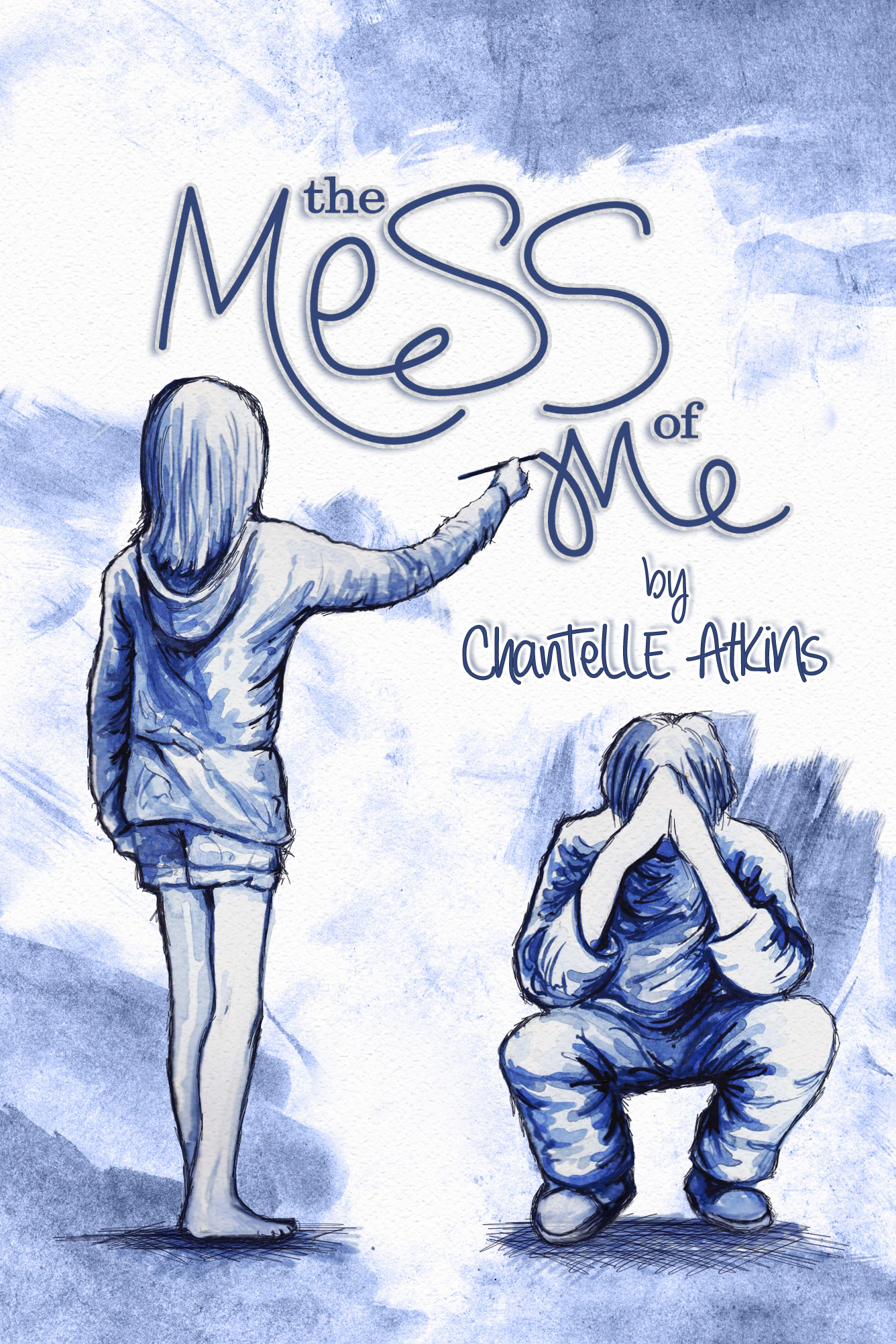
Character Interview; Lou Carling from The Mess Of Me

themessofme-BLANK (1)


Q1 What did you eat for breakfast?

I just had a coffee. I wasn’t really hungry. Toast is so filling in the morning and I’ve gone off milk lately on cereal. Just a coffee most days. Coffee is fine. I do have two sugars in it though, which is quite bad, so I’m gonna’ cut that down to one pretty soon.

Q2 Do you have any pets?

Yeah, we have a dog called Gremlin. God knows what he is. He has ears like a bat and a smashed in face like a pug? He’s small and fat with along tail and weird, wiry fur. My best friend Joe calls him an experiment gone wrong. Mum bought him for me and my sister when my dad left us. It was the first thing she did! Went out and got us a puppy.

Q3 How many siblings do you have and are you close to them?

I only have one sister, Sara. She’s eighteen and off to University soon. We get on pretty well, but I wouldn’t say we were close exactly. I’ve always viewed her as a bit of a blur. She rushes around, never stays still, always in and out and involved in some huge drama. She’s always arguing with my mum too. They’re terrible together.

Q4 Who is your best friend? And why?

My best friend is Joe. We’re probably only best friends by accident, to be honest. His mum Lorraine (she is absolutely terrifying!) and my mum were in the hospital at the same time having Sara and Travis, one of Joe’s older brothers and became friends. Lorraine has five sons, and Joe is the middle one. We were forced on each other, I guess. We knew each other even when we were in our mother’s wombs! Poor us. Having to sit there, forced to listen to their constant bitching and gossiping! He’s still my best friend because he gets me. More than anyone. And I get him. We basically just swear at each other and our friendship is based on insults. Joe is calm and gentle, not like the rest of his insane family. They don’t see him like I do. Which is sad. I feel sad for him a lot.

Q5 Who are you scared of?

A few people, actually. My dad scares me a bit, or at least he did when I was younger. He was always ranting and raving and slamming doors and storming off. I hated him and the way he treated my mum. She put up with it for years but then he left her for another woman. I’m not really scared of him now. I just think he’s pathetic. Joe’s mum Lorraine scares the shit out of me. She’s like a pitbull, I swear, a pitbull in red lipstick. She’d wipe the floor with anyone. She’s not frightened of anything or anyone. Christ, she’s a horrifying specimen. Her new bloke Mick is a bit scary too. Her oldest sons, Leon, Travis and Joe have a different dad. Mick is father to the youngest two boys, Will and Tommy. Of course, he dotes on them. They can do no wrong. But he seems to hate the oldest three. So it’s like a constant war zone at their house. Mick is a lot like Lorraine and they fight like cat and dog sometimes. Physically and everything. But do you want to know who scares me the most? Well, it’s Leon. Joe’s oldest brother. Leon and Travis are very close in age and always together, up to no good. Travis is okay. He’s no angel, but he has a nice smile and isn’t too mean to Joe. But Leon? There’s something about him that chills me to the bone. Something missing in his eyes. If there’s anyone to be scared of around here, it’s Leon Lawrenson.

Q6 What is your greatest fear?

Well, it will probably sound stupid to you. Stupid and shallow. But my biggest fear is getting fat again. I was such a porker until I started dieting and exercising. Now, I’m losing weight fast and lots of strange stuff has been happening. I’m more confident, which is weird, because I always just wanted to disappear before. Boys are interested in me now! Which is mental! Boys never looked at me before. I’ve had some weird little moments with Joe this summer, and Travis tried it on with me… I know, I know! But yeah, getting fat again terrifies me. I’m not joking. I never ever want to be that girl again. I hated her. I won’t be her again. I know my mum and sister think I’m taking the weight loss too far, but it’s easy for them to say. They were never fat like I was. They don’t understand.

Q7 What are your hopes and dreams?

Well, right now, I sort of hope Joe and I can get ourselves out of the mess we’re in. Since we found that stuff in his brothers’ wardrobe, everything has got a bit scary. Suddenly Travis and Leon are being nice to Joe, and I’m really worried about what he’s getting into…As for dreams? Mine are pretty basic. I want to be left alone, because most people annoy the hell out of me. I want them all to leave me alone and let me get as skinny as I want. I want to be skinny. Super skinny. I want to be skinny forever. Aside from that, I hope me and Joe are best friends forever and nothing ever comes between us, and I dream of working with animals one day. I haven’t decided what yet. Maybe just a dog walker or a dog trainer or something? I couldn’t stand being around too many people, I know that.

Q8 Do you have any hobbies?

Running. I love running these days! And listening to music, though Joe takes the piss out of my tastes as I seem to like a lot of old stuff like Bob Dylan. Joe is really into music and wants to be a drummer. He’s saving up for this drum kit and forming a band with his mates. Walking the dog? Except that’s not really a hobby, just something I always end up doing because Mum and Sara are too busy. Writing on my wall. You could call that a hobby, I guess. My mum hasn’t noticed yet, but I’ve been scrawling my thoughts and feelings on my bedroom wall for ages now. I’ve even started the ceiling. If she ever wants to know anything about me or my life, she only has to look! Smoking weed and drinking cider with Joe and my other friend Marianne? Naughty hobby, I know, but we’re teenagers, right? We’d regret it if we didn’t break the rules a bit.

Q9 Describe yourself in one sentence

Fucked up, sarcastic, nerdy mess of a girl on the verge of….something

Q10 What’s your biggest secret?

I’m not going to tell just anyone, am I? Christ, I don’t want the world to know! I don’t want anyone to know. It’s huge and it’s embarrassing and it would change everything if it ever got out…and I although I daydream about what could happen if it did, I’m too scared, too shy, too messed up to do anything about it.

The Mess Of Me

Interview With Author Miriam Hastings

As you know, I’ve started a new feature on this blog where I pick the best Indie book I read that month, share it with you and then interview the author. The best book I read in January 2018 was The Minotaur Hunt by the award-winning Miriam Hastings as highlighed in this post. Miriam kindly agreed to an interview and here it is! You can find Miriam’s bio and links at the end of this post.

Miriam Hastings.jpg

1. When did you first know you wanted to be a writer? Why do you write?

I never made a conscious decision to be a writer, I need to write and always have. I have been making up stories ever since I can remember and writing them down from the moment I learned to write.

I have always had a vivid imagination and when I was a child I spent a lot of time in fantasy worlds that I created. I think I write fiction as an adult to meet the same needs I had then. This is partly a need to escape from reality when it’s too unbearable, but also a need to address the problems life poses by approaching them from a more creative angle. Writing is a way of taking control of reality because you can shape it and reshape it through words, expressing your own experience and vision of the world and, through doing that, you can transform reality into something greater.

2. Can you tell us about The Minotaur Hunt – what inspired you to write this particular book?

I wrote The Minotaur Hunt in my late 20s (it was first published when I was 31). I suffered from an extreme anxiety disorder as an adolescent, caused by childhood trauma, and was admitted to an adult acute ward when I was 14 and kept there for three and a half months. I was admitted to hospital again when I was 23.

Later, after I was 26, while I was writing the novel, I worked with people who had been moved out of the big asylums like Bradley. First I was working in a MIND day centre and then in a group home.

I was also studying for a part-time BA degree and designing and hand painting ceramic tiles, so it was an extremely busy period in my life! I used to write for half an hour every evening – I doubt The Minotaur Hunt would have been written if I hadn’t done that! But it was as if I had no choice – I felt driven to write the novel no matter what else I was doing at the time.

Throughout my 30s and 40s, I continued working part-time in the field of mental health, both doing therapeutic work with service users and also teaching on courses for mental health professionals, e.g. training courses for psychiatric nurses, social workers, psychologists, etc.

I wrote The Minotaur Hunt because I wanted to help people understand what it feels like to suffer from mental distress and to be labelled as “mad” or “mentally ill”, and the way it renders you totally illegitimate within society, so that your feelings and experiences are dismissed and pathologised, your experience of past trauma is disbelieved, and the social and family problems causing your distress are ignored and never addressed.

I also wanted to help bring about change within the psychiatric system because I had both experienced and witnessed so much abuse.

Looking back on it, I’m amazed at my own naiveté and arrogance – that I imagined my novel could change such a vast and impervious system! Sadly, I don’t think the closing of the big Victorian asylums has changed attitudes or brought about improvements in the way service users are treated, as I once hoped.

3. What is your writing process? How does it all come together?

In the years when I was studying and teaching it was often hard to find the time to write regularly. Now I like to write for at least an hour or two every day, but I am disabled with a progressive degenerative illness and these days my major problem is living in chronic pain and suffering from stiffness and weakness in my hands and wrists which make the physical act of writing difficult. I have to rely largely on voice recognition. I have a dictaphone that I use for making notes and for capturing ideas. I can download my notes to the computer from my dictaphone, although this involves a lot of correction and editing so it isn’t always useful.

When I first begin a novel, sometimes I have to be disciplined and make myself work on it every day but once I’ve become really involved in the story and the characters, I can’t wait to start writing each morning.

When I begin a novel I rarely start at the beginning – I don’t usually know where the beginning will be! I think writing a novel is like doing a large complicated jigsaw puzzle. I know what I’m aiming for but I don’t tackle the whole picture at once, just a small area at a time, as I might concentrate on the sky when doing a jigsaw. I recognize and build up connections gradually. Once I am about halfway through, it becomes much easier – sections begin to fit together and I see the whole work taking shape. I find the important thing is to keep writing; I don’t let myself get stuck over Chapter 2 if I could easily write Chapter 6. I know Chapter 2 will become clearer later, a novel is a long piece of work, I think if you don’t keep writing, it will never come into existence at all so it’s important to be disciplined. Occasionally I know how I want to begin but often the beginning and the end don’t become clear in my mind until I’ve written the rest of the book.

This sometimes applies to short stories as well, but I tend to write short stories in a more straightforward chronological manner from beginning to end; however the first and last paragraphs are the last things I work on because it’s vitally important to get them right in a short story – even more than in a novel.

Writing a novel is very different to writing a short story and to some extent it takes different skills. When I am writing a novel I need to know as much as possible about the characters and their lives, whether I’m going to use that information in the novel or not. However, when I’m writing a short story I don’t necessarily know everything about the character or their life.

4. What is more important to you, the characters or the plot?

I think my writing is more character-driven than plot-driven. The characters, their psychological make-up, their relationships, the life experiences that have made them who they are, interest me most. The plot is vitally important, of course, but mainly in relation to the characters and the way it affects them.

6. Do you have a day job, and if so, does it help your writing in any way?

For several years, as well as running therapeutic groups, I was a part-time lecturer at Birkbeck College, University of London, teaching post-colonial and cross-cultural women’s literature, and creative writing for personal development.

I think working with people has always fed into my writing because people fascinate me. I can’t imagine how I would create my characters if I didn’t know how people think and feel, and something of the richness of their lives.

After I became too disabled to work for a college or other institutions, I began teaching from home and running writing groups; also leading guided creative writing for personal development both in groups and for individuals.

Sadly, I’m able to do very little work now – less and less each year as my health problems increase – but I still run some writing workshops at home.

7. Do you write with a theme or a message in mind, and if so, what might it be?

I have always seen writing as a political act, however, I don’t necessarily set out to express a particular message. I don’t consciously write stories to give a message so much as to express a vision. On the other hand, the outsider is a constant theme in my work, and in all my writing the main protagonist is in some way an outsider.

8. What are you working on at the moment?

I have just finished a novel, The Dowager’s Dream, set on the north coast of Scotland during the brutal clearances in the region. The story was partly inspired by the lives of my great, great-grandmothers, Margaret MacKenzie and Christine Patterson, also by an extraordinary account written in 1809 by the Minister’s daughter of Reay, describing a mermaid she saw in Sandside Bay, Caithness – but the mermaid in The Dowager’s Dream is not pretty, being a dark symbol of both sexual and cultural repression. For several years I was researching the Highland clearances and themes of dispossession and ethnic cleansing are central to the novel.

Now I have several ideas for novels which I’m working on until it becomes clear which one I want to concentrate upon! There is a thriller (my first!) set in Cornwall; a novel about a group of young people living in short-life housing; and finally, a novel about three young sisters, which is exploring the secrets and taboos that all families hide.

I’m also working on a short story about Emily Bronte which I’ve been struggling with for quite some time.

9.Can you tell us about your publishing experiences so far? 

I was very fortunate with The Minotaur Hunt because the first publisher I approached, the Harvester Press, accepted it straightaway, and then it won the Mind Book of the Year Award which helped promote it. The Harvester press were a small independent publishers who mostly published literary criticism for universities but also some literary fiction. Unfortunately, they were taken over by a big multinational corporation, Simon & Schuster, soon after The Minotaur Hunt was published who closed down Harvester’s fiction list leaving me without a publisher. It was about the time that publishing changed a lot, following the ending of the net book agreement, most independent publishing houses were gradually taken over by a few huge multinationals that were totally profit centred. Mostly because of winning the award, The Minotaur Hunt sold out in hardback, although small numbers have usually been available through eBay, but I couldn’t find any other publisher to take it on. A few years ago I decided to write a new epilogue as it was 20 years since it was first published. I was inspired by Angela Carter’s “afterword” to her early novel, Love, written years after it was published. In my Afterword I revisit all the characters to see what has happened to them in the years since the novel finished. First of all I published this revised edition of the novel on Kindle and Kobo, and then in September I published it as a paperback.

I have written five novels since The Minotaur Hunt but sadly none of them have been published. I have published several short stories and poems in anthologies and literary magazines. I had a collection of short stories, Demon Lovers, shortlisted for the Scott Award in 2010 and I’m planning to self publish that as it so difficult to get short stories published. I have already published three short stories on Kindle and Kobo, The Doll and Other Stories: Strange Tales. I think it’s really sad that so few publishers, including small independent presses, publish short stories. I love reading short stories myself and I know lots of other people do too.

10.Do you find it hard to say goodbye to your characters? If so, which character from The Minotaur Hunt would you revisit if you could?

I love all my characters, even the minor ones and the unattractive ones, and I never forget them. As I said above, I have already revisited the characters from The Minotaur Hunt in the new epilogue I’ve written.

11. Tell us what inspires your writing

Anything that stimulates my imagination! Inspiration comes from all manner of things; I am always getting ideas for short stories and novels – some of which I will discard later but many I keep and return to; sometimes after several years.

I always begin with an idea, sometimes with a story I have heard or read, often this might be taken from history or from myth or legend. I’m a highly political person (with a small p!) and I’m always gripped by stories of injustice, abuse, alienation or persecution – these are the kind of stories I always want to tell (as with the Highland Clearances).

12.What is your approach to marketing and self-promotion?

This is the part of writing that have always found most difficult. I hate it! And I am really bad at it. When I first wrote The Minotaur Hunt I went about practically apologising for having had the temerity to write a novel!

I am getting better at it, partly because I’ve realised I must, given the extreme commercialisation of the publishing world today. I do have a website and a Facebook author page.

At the moment I’m approaching literary agents with my latest novel, The Dowager’s Dream, but so far I’ve had no luck. One of them was very enthusiastic at first but decided in the end that it wasn’t for him.

If none of them are interested, I will try some small presses before publishing it independently.

Miriam’s Bio;

For several years I worked in the field of mental health in a variety of roles. I ran therapeutic workshops for survivors of childhood trauma. I taught on community links courses and ran consultancy and personal development courses for mental health service clients, and training courses and workshops for mental health professionals.

I also worked part-time for the Faculty of Continuing Education at Birkbeck College, University of London, teaching a course for women in creative writing for personal development, and also teaching modern literature, cross-cultural and postcolonial literature.

I’m disabled by a progressive degenerative disease so now I work from home as a freelance tutor in literature and creative writing. I still run therapeutic creative writing workshops and offer individual sessions in writing for personal development and self-exploration.

I have had work published, including fiction, literary reviews and mental health articles. My first novel, The Minotaur Hunt, was published by the Harvester Press and won the MIND Book of the Year Award, a revised edition is now available as a paperback and on Kindle and Kobo. In 2010, I had a collection of short stories, Demon Lovers, shortlisted for the Scott Award (Salt publishing), three of these stories are published on Kindle and Kobo as The Doll and other stories: Strange Tales.

Connect with Miriam;

Facebook

Twitter

Website