I’ve created a universe rich in folklore!
When I first had the idea for Black Hare Valley (take a look at last week’s post to get the gist of the inspiration behind it…) I had no idea it would grow into a series, or a universe. I also had no idea how much folklore would come to shape it. My initial idea was an ‘IT’ style horror story about missing kids, ancient evil and a pretty little town that looks perfect but is anything but.
As I wrote the first book, and soon realised I had enough storylines for a second, and so on… I began to realise I was writing folk horror, a genre I’ve been obsessed with for a while. For anyone not sure about the term ‘folk horror’ it applies to a genre of literature film and TV with an emphasis on folklore and the culture of the outsider.
Folk horror is sub-genre of horror that explores mythology, urban legends, paranormal and supernatural beings usually in an urban or rural setting. It draws aspects from cultural traditions, rural life, small town life, connections to ancient evil and explorations of morality. I would argue that folk horror is a really important sub-genre as it explores tales of old and reframes them for modern readers and viewers, often tackling the big questions such as life, death, after-life, mortality, what it is to be human, community and sacrifice etc. It is also a more subtle and unsettling style of horror where threats are less obvious than in ghost or vampire stories, for example.
Common elements include: Paranoia, morality, superstition, tradition, religion dark aspects of nature, isolation. a foreboding atmosphere, outsiders, generational secrets, trauma, curses, nature, isolated communities, rural towns, old-fashioned ways, and dark forces.
The Black Hare Valley series ticks every box there is for folk horror!
As I wrote the books I found myself becoming increasingly immersed in British folklore and several aspects of it really came to dominate the series. I’m going to talk about them now.
May Day: May Day in Black Hare Valley is extremely important, some might say it is sacred. Schools and businesses close for the day. The May Queen, (usually a young girl decked out in white) sits upon a carriage pulled by a mule along the streets of the town. The townsfolk gather at the sides of the road to watch and wave and cheer. Just before she comes along, the hares are released. This is an old time tradition, with the hares racing away symbolising fertility and new life. Everyone follows the May Queen to the park where she is crowned upon her thrones with a garland of wildflowers. A community celebration follows, with children dancing around the Maypole, and plenty of food and drink to enjoy. Traditionally, people used to leave ‘May baskets’ on neighbours doorsteps, sometimes containing food or small gifts, often just posies of wildflowers. In Black Hare Valley May Day represents the shift into Spring and celebrates new life, resurrection and fertility.
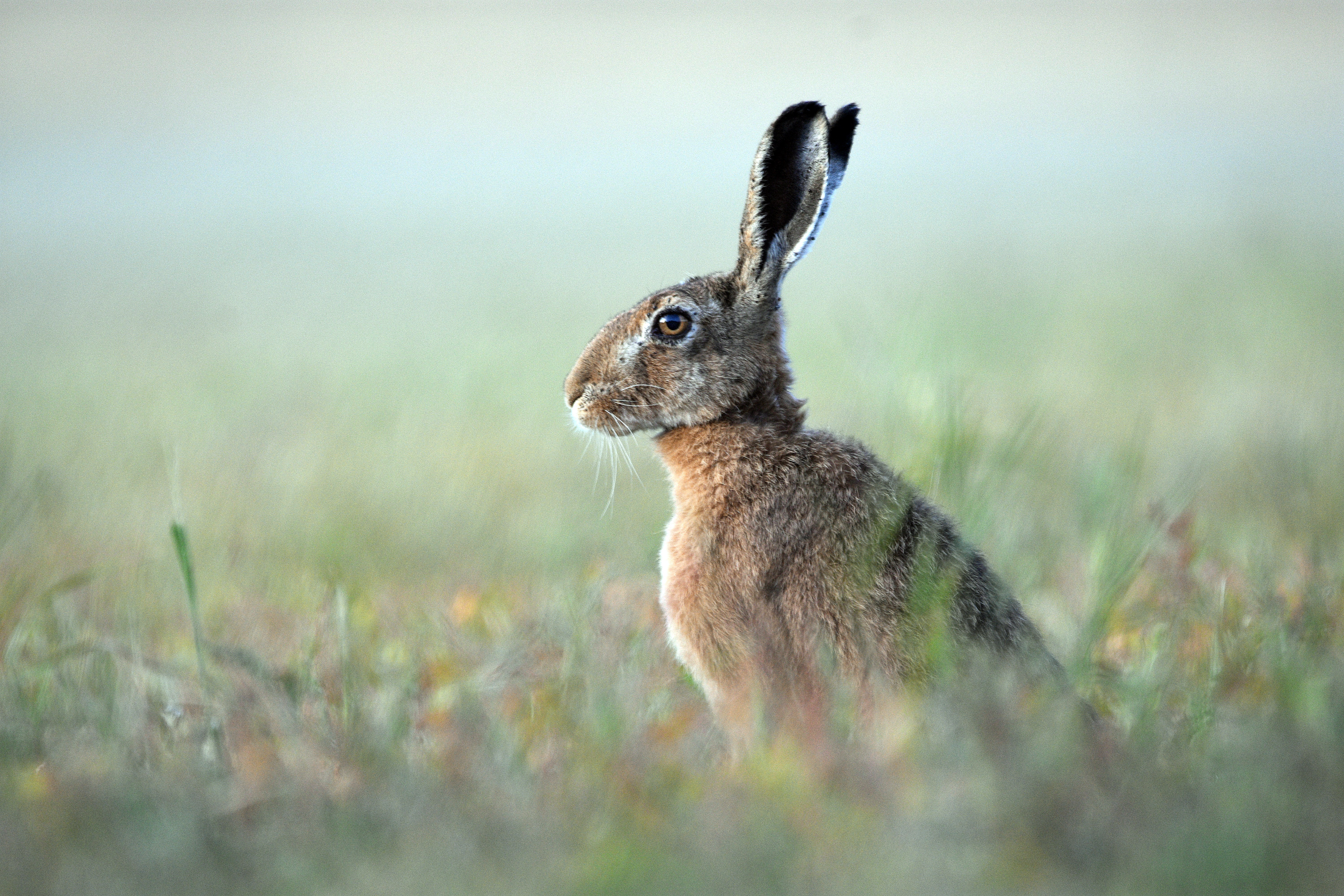
Hares: Hares are integral to May Day in Black Hare Valley but they are also a hugely significant symbol of the town and what it represents. Through the ages and across cultures, hares have been associated with witchcraft and magic, as well as with madness, the moon, and bad luck. Equally, they have been associated with good luck, new life and fertility. It was once believed that witches could shape shift into hares to escape persecution. There are old folks tales about what it means to see a hare running through town (a house will catch fire) and people used to believe it was good luck to see hares jumping from the flames of a cornfield.
Fairy rings: Fairy rings are perfect circles of mushrooms/fungi that appear naturally by themselves. There are perfectly good scientific and biological reasons this happens, but go back far enough in time and people used to believe the rings were portals to the fairy realm. It was seen as a great crime to break or damage a fairy ring and doing so would invoke the wrath of the fae folk. They may put a curse on you or they may steal you into their own world. I’ve used fairy rings in the series, and they mostly pop up in book two: 1966.
The Green Man: The Green Man is a universal symbol of nature, fertility, and new life. There are countless folk tales and versions of him across the world and within different cultures. His gnarled old face is often carved into trees or posts, and can often be seen on churches and other old buildings. He symbolises nature, rebirth and the human connection to the natural world. He also symbolises the past…
I hope you’ve enjoyed a little journey through some of the folklore that shaped my next book!
Here is the preorder link if you are tempted to give Book One: 1996 a try!

