The Danger of Juggling Too Many Writing Projects

I wouldn’t advise anyone to do what I do…
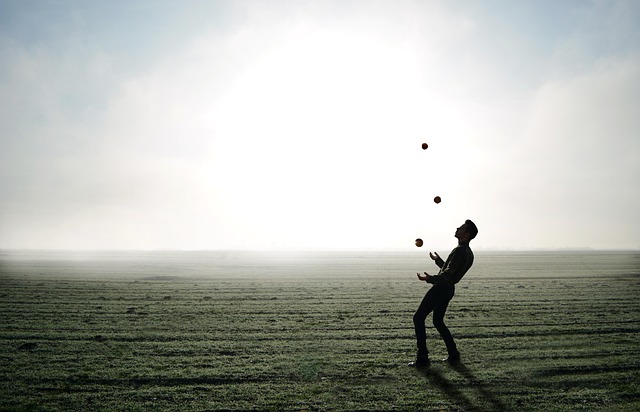
Image by Theodor Moise from Pixabay

The other evening I was sitting at my laptop in my bedroom typing away when my youngest child wandered in to ask what I was up to. I assumed he wanted the short answer, ‘writing’, but he wanted the long one. He wanted to know what book I was working on. Sweet of him, but I instantly rolled my eyes and laughed. I held up my hand and warned him. I can’t answer that quickly, I told him, it’s always a long and complicated answer!

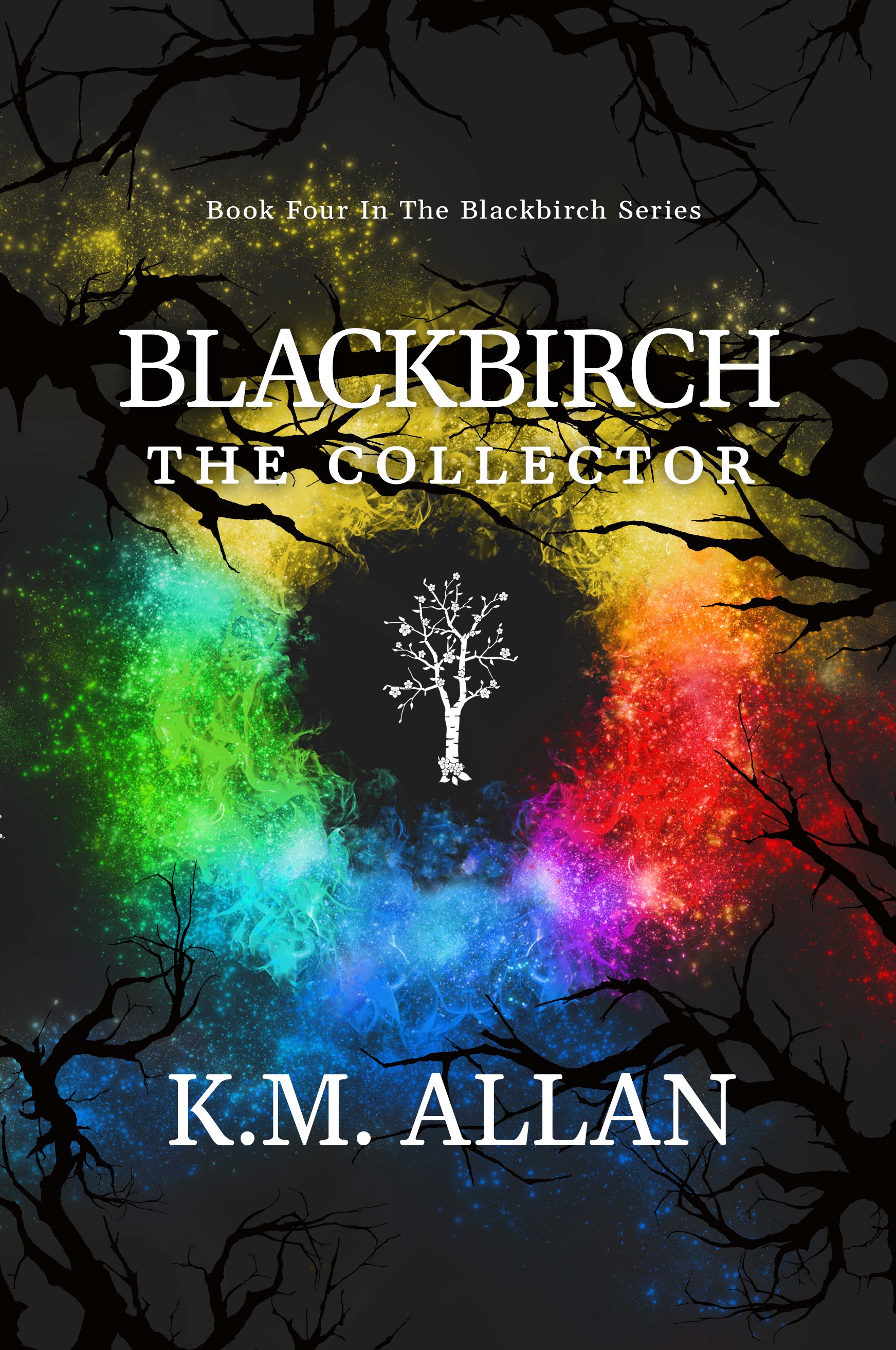
So, bless him, that’s what he got and to his credit, he did seem interested. He kept asking more questions so I assume he was legitimately intrigued! My answer went a bit like this, “I’m writing what might be part three to the book I just published… but I’m still not 100% sure if I am going to do it, but I just finished the fifth edit on part two, so I need a little break from editing, but really I should be editing the next Black Hare Valley book, but I’m probably delaying that series now while I get this one done which was always meant to be one book but now looks like it will be a trilogy…or I should be starting the rewrite for The 7th Child which is an unrelated book I wrote recently which really needs a big rewrite, but I’m just not in the mood to do it yet, probably because these books are too much in my mind. Plus, I did write a chapter or two of another unrelated book recently, but I’m gonna have to ignore that too…”

We also got into how the trilogy that wasn’t meant to be is related to and connected to lots of my other books.

He nodded and grinned. Probably wondered how unhinged his mother is. I felt suddenly exhausted by the work I have given myself. It isn’t easy juggling multiple projects and although I long ago accepted that this is just the way my mind works and there is no point resisting it, I do sometimes feel myself buckle under the weight of it.

In an ideal world I would get an idea, plan and plot and research, start writing, finish book, edit, edit, revise, edit and so on, publish, market and then start again with a new idea. I feel like that would be so peaceful, so organised, so chilled… I truly envy people who work like that.

It has never been like that for me. I have always found myself balancing multiple writing projects, editing something while writing something new, marketing old books while marketing new books, writing down ideas I didn’t want, feeling books push to the front and jump the queue, and books that were meant to be standalones evolving into trilogies…. Most evenings involve me splitting my time between editing one book and writing another.

Most of the time it’s fine and I just go with it. There is always one book that is the priority and that is usually the one closest to being published, but not always. I try to prioritise that one so my approach isn’t completely scattergun. The book that is furthest ahead will keep getting pushed towards that publication finish line. There is always another book, maybe two, being written at the same time though. I just can’t help it.

And sometimes it does stress me out. I think one of the hardest things is having my mind in several different books at the same time. The worlds might be very different, for example. I’ll be fully immersed in the world of one book and then have to switch vibes to work on another. This is hard when it comes to characters. Character is the most important element of story writing for me, and I’m always extremely happy when my reviews mention how much the reader loved the characters. But it would genuinely be better to just concentrate on one book at a time and be fully engaged with that set of characters. Instead, I am all over the place, and I am constantly worrying that it might dilute the characters or that I might confuse them.

To be fair, I don’t think that has ever happened but it is one of the reasons I wish I could concentrate on one project at a time.

The other thing that makes it hard is time. I wish I had more time. I wish every day was twice as long and then I could get everything done twice as fast and get on to the next waiting story. I think I live with the fear that I will die before I get all my books written. There is a tab on this site for my upcoming books – that should give you an idea of the amount of noise in my head all the time! Every time I get a book finished and published, I feel such an incredible sense of relief and letting go.

It’s also difficult from a stress point of view. A lot of the time it is fun working like this, jumping from one project to the next every day. It keeps things fresh and exciting. Sometimes though, it is stressful. It feels like I have given myself an unbearable load of homework and it often feels like something terrible will happen if I don’t complete it all!

I have my everyday to-do lists: plant seeds, change the beds, order dog food, water the plants, put the washing on, etc. Then I have my work-related to-do list: reply to that email, check online banking, prep the next weeks lessons, edit the children’s project and so on.

And then there is the endless writing to-do list I insist on giving myself. My on-going projects are on a piece of paper pinned to the wall beside me when I write. About twice a year I get the thrill of ticking one book off because I have published it! But the rest lays heavy on my shoulders. And I really, really don’t want to get any new ideas. Which is why I often avoid writing short stories…

Who knows what they could grow into?
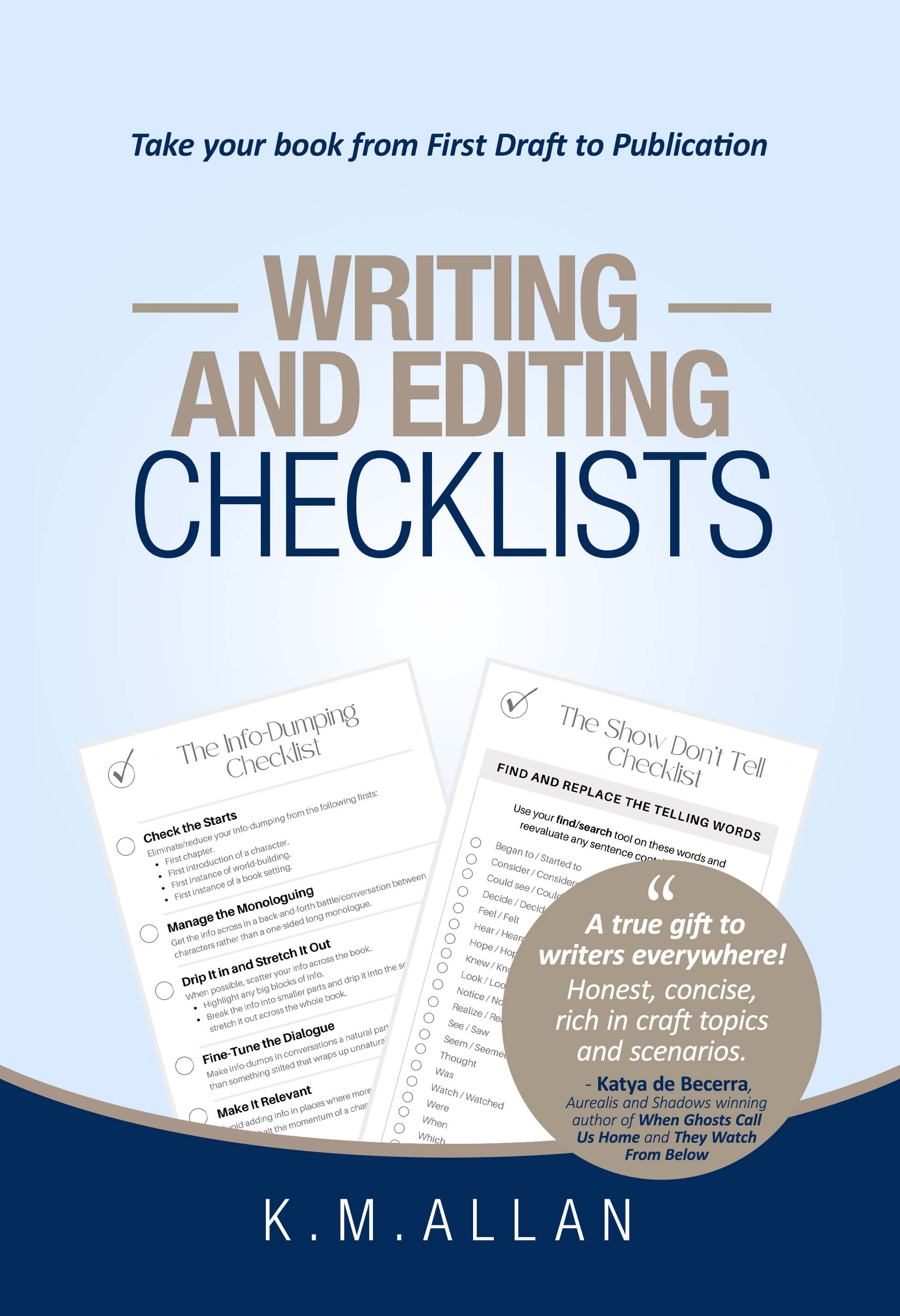
Writing & Editing Checklists by K.M. Allan is out now!

Interview with YA author K.M Allan on her new non-fiction release

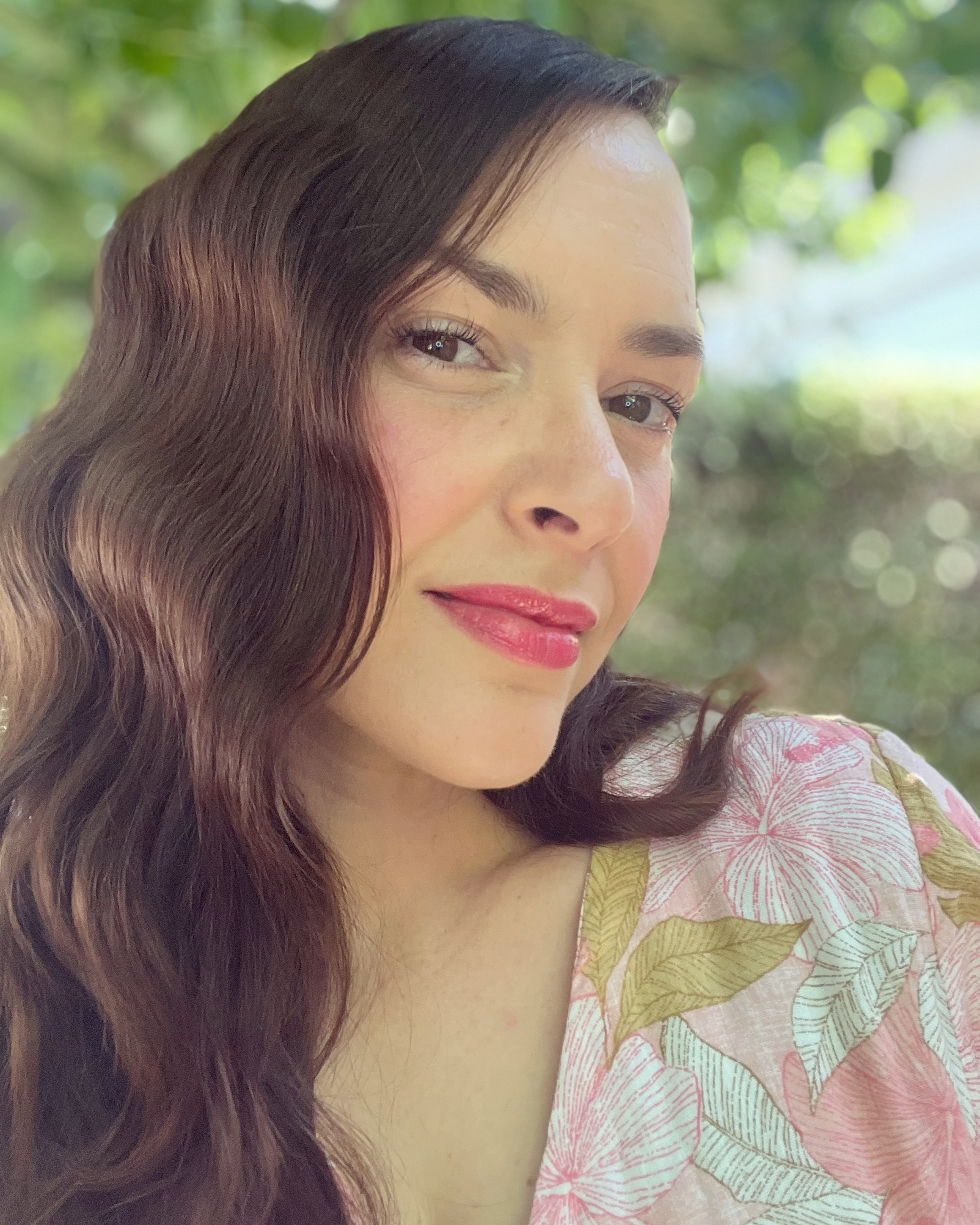
Author K.M. Allan – image belongs to the author

Today on The Glorious Outsiders blog we have an exclusive interview with YA author K.M. Allan. In a break from YA fiction, the Blackbirch author has just released her first non-fiction book, Writing and Editing Checklists, with another non-fiction book soon to follow. I was curious about what prompted the move from fiction to non-fiction and what inspired her to share her tips and advice with new and aspiring writers. I have had the pleasure of reading this book and I’ll be recommending it to new writers I work with in my job, because it really is extremely useful! With handy checklists to refer back to, this book ensures you cover everything needed to write and edit your manuscript to perfection. You can find my review at the end of the post.

  1. Your new book, a non-fiction titled Writing and Editing Checklists is out now. What made you decide to pen a non-fiction book after the Blackbirch YA series was complete?

Honestly, it was burnout.

I’d been working on the Blackbirch series for a long time, and its four books all came out within three years. When the final book was released, I needed a break.

No fictional ideas were coming to me, and I didn’t want to stop working on anything, so I turned to my writing blog.

At that point, I’d been writing about writing for seven years, and there were more than a few readers over that time who’d mentioned how helpful the posts were to their own process. I, and them, especially liked the checklist blog posts, so I decided to turn as many blogs as I could into checklists, and that’s how the book came about.

2. What would you say are the main challenges of writing a non-fiction book and how did the process differ from writing fiction?

Well, I didn’t have to come up with any plot twists for this book, so that was a big difference!

From a writing point of view, there were things that were similar, such as making sure the voice and tone of the book were consistent all the way through. I actually found that the biggest challenge was the formatting.

For Fiction books, you only have to worry about headers and footers, page numbers, and maybe some fancy drop capitals or chapter images. For non-fiction, because the format needed title pages, examples, bullet points, and graphics for the checklists, getting those elements right was a learning curve. It was frustrating at times, but once it all came together, it was worth it.

3. Your blog centres very much on sharing advice and tips – was this always the intention when you started blogging or did you fall into naturally?

It was definitely a bit of both. When I launched the blog, I didn’t have a book out or any creative work behind me, so the only thing I could blog about was my writing process, what I was learning as I was trying to write my first book, navigating impostor syndrome, and at the time, getting a book ready for querying with agents and publishers.

I found sharing tips and advice, my love of making checklists to write and edit, and writing routines the easiest topics to blog about, and readers really seemed to like that too.

4. Have you ever considered running workshops or clubs for aspiring writers?

No, I haven’t. I’m good with words on a screen, not so much with words in real life. I’d be too nervous for something like that, which is one of the reasons why I turned the posts into a book. I hope the book will reach more aspiring writers than the blog can, and help them that way.  

5. What research, if any, did you have to do to complete this new book?

As the content had already been researched when I wrote the original posts, I just had to research which posts were the most helpful to readers to decide what to include. As some of them go back seven years, I also made sure the info was still as accurate as possible.

6. Who did you have in mind as the audience when you wrote this book?

Definitely new writers, writers who like to be organized, and writers like me who love a good checklist to tick off so we feel like we know what we’re doing and have accomplished something.

7. What is the one bit of advice you would give to a new writer? The most important lesson to learn, in your opinion?

Go with whatever process gets you sitting at your desk, and just write. The more you write, the better you get at it. It’s how you learn what works and doesn’t work for you, and how you develop your own style.

I’d also add to read as much and as widely as you can. If a book makes you feel something, try and work out how and why so you can do the same for your own stories.

8. Can you tell us what helped you the most when writing Blackbirch? For example, writing handbooks, instructions, other blogs podcasts, writing advice etc?

I was learning as I went when writing Blackbirch, and then turning those lessons into posts for my blog, so that was helpful. As for writing books, The Emotion Thesaurus by Angela Ackerman and Becca Puglisi is one I’d highly recommend. If you’re a writer who hasn’t used it before, definitely check it and the other books in the series out. They are invaluable tools of the writing trade and so handy to have within reach when you’re working on an emotional scene.

9. Do you envision marketing this book will be different to marketing Blackbirch? Do you perceive any particular challenges, for example?

Marketing for me is the same as most writers nowadays, which is to post on social media and my blog and hope those following see it.

I do really enjoy the creative side of making marketing graphics and taking photos of my books, though, and that has been fun to do again.

As for challenges, I usually include book teasers with interesting dialogue, or the last sentence of a cliffhanger scene when marketing, and the checklist book doesn’t have those things. For that part of marketing, I’ll have to find something else from the book to highlight for new readers, but I’m looking forward to it.

10. What can we expect from you next? Please tell us about any upcoming projects!

Now that the checklist book is out, I’m excited about getting back into fiction writing. At the start of this year, I penned the opening paragraph of a YA murder-mystery that’s been floating around in my head for a few years now. I’ve missed coming up with characters and working on puzzling plots, so I’m eager to get back to that and start fleshing it all out.

image belongs to the author

If you’d like to find out more about K.M. Allan and her books please check out the links below.

Blog: https://kmallan.com/

Instrgam: https://www.instagram.com/k.m.allan_writer

Facebook: https://www.facebook.com/k.m.allan.author

And here is my review of her latest book, Writing and Editing Checklists:

“I was excited to read an ARC of this book and as a creative writing tutor and editor, I can honestly say I will be recommending this book to all of my students and any aspiring writers I make contact with. Personally, my brain likes checklists so this is a great format for me. It covers absolutely everything you can think of with regards to writing and editing and is a great little book to refer back to time and time again. You can jump around the chapters and pay attention to what suits you at the moment in your own writing journey. I think the editing checklists are so valuable too – they will enable writers to ensure their work is as clean as possible before spending money on an editor. This is a fantastic companion book for writers of all stages and genres. Highly recommended!”