This Week I Had Five WIPS Vying For Attention In My Head

I Need More Me’s!

Image by TyliJura from Pixabay

If you’ve followed my blog for a while you’ll probably know that I find it impossible to work on just one writing project at a time. Ideally, I would love to. One story idea, one plot, one set of characters, one job to do! I envy writers whose minds work like that. It must feel very in control.

It’s never that way with me. There is always the book ready to be published that needs quotes posting, cover sorting, final edits and so on. There is always the current priority work-in-progress and sometimes that’s a series, not a standalone. And there are always the future books, the ideas, all in various stages!

It’s been like that this week, and then some.

First, I am trying to draw attention to The Mess Of Us which came out on Valentines Day. That means promoting it as best I can and creating graphics of quotes from the book and reviews as they come in.

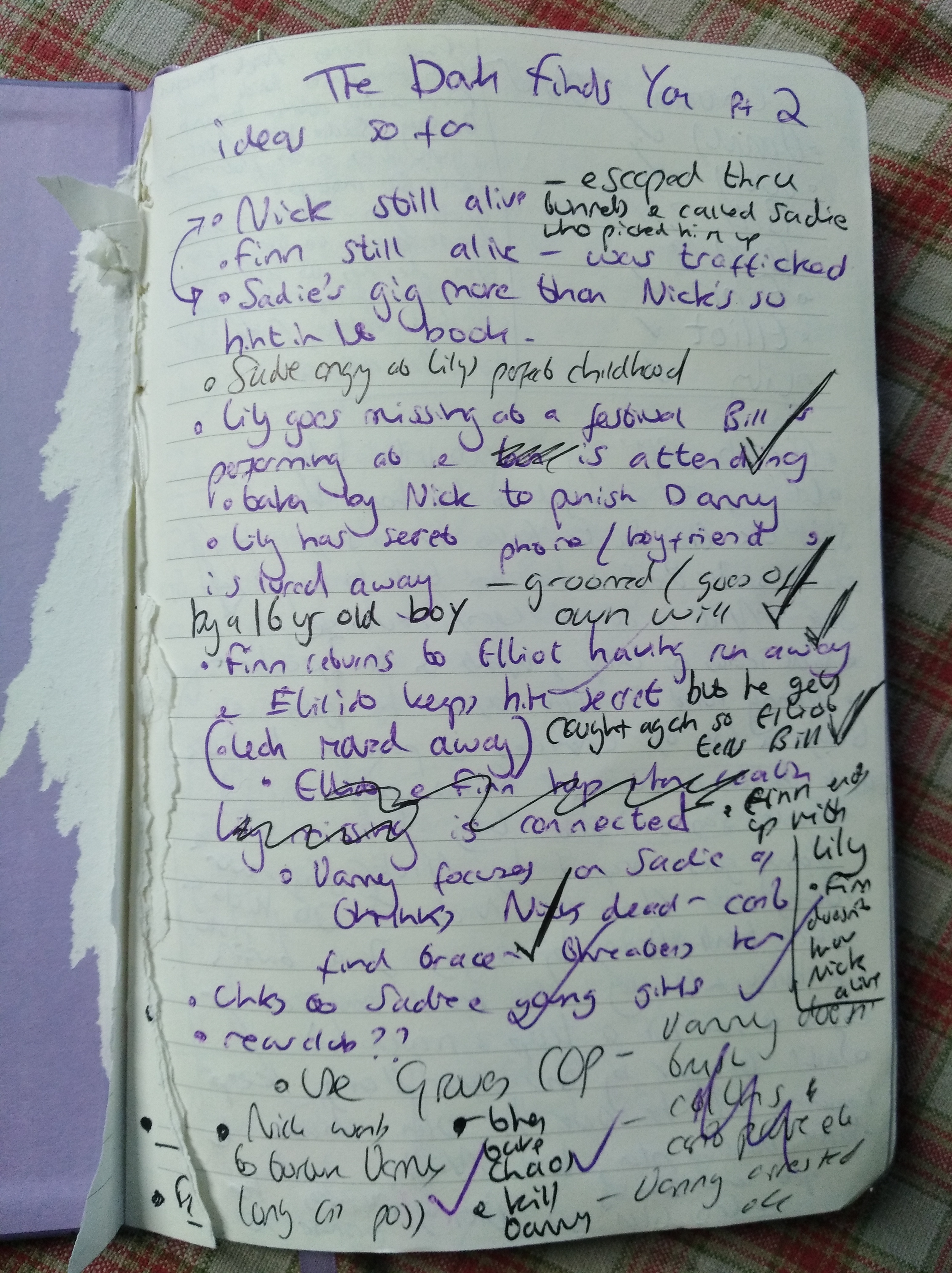
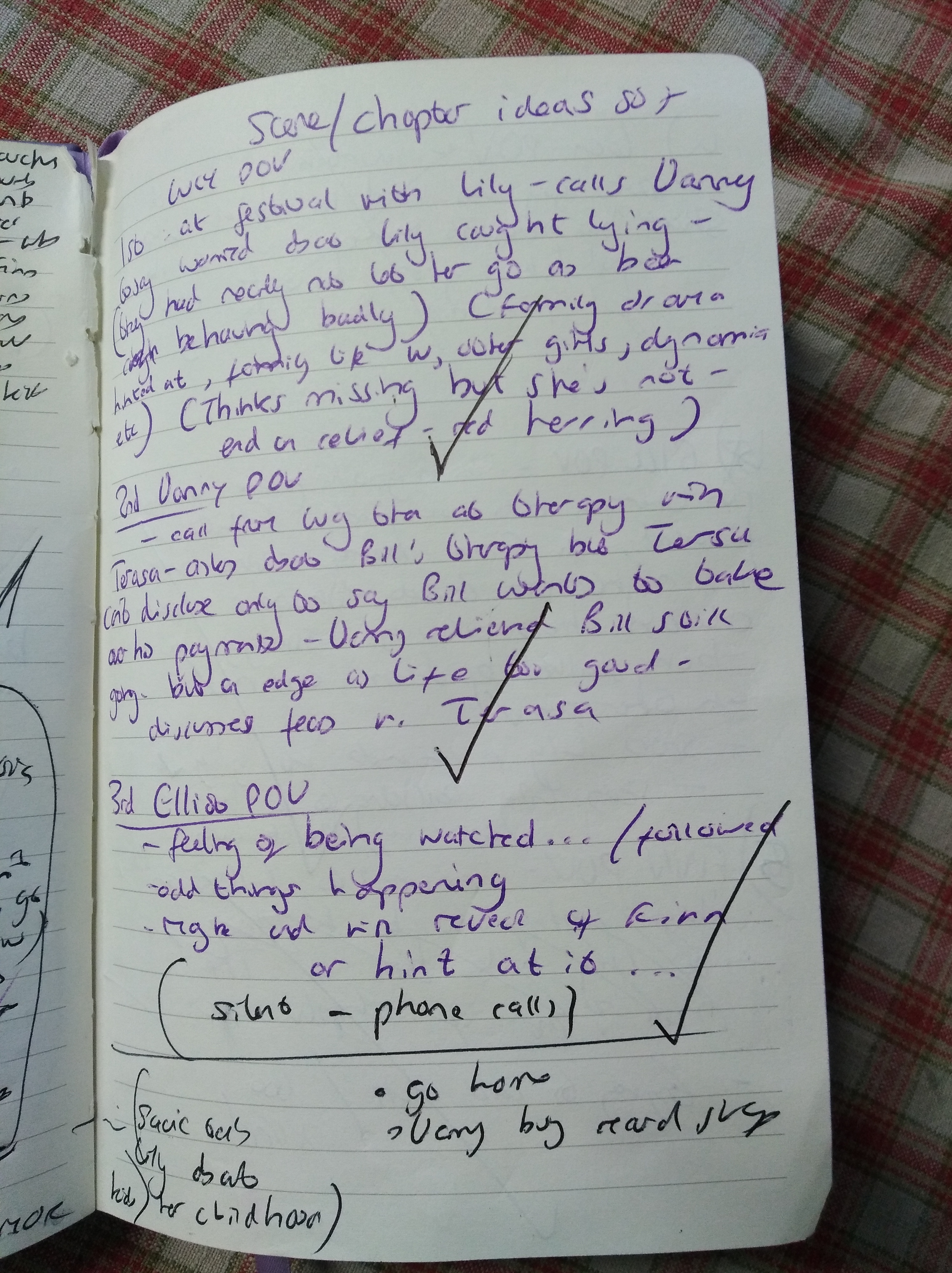
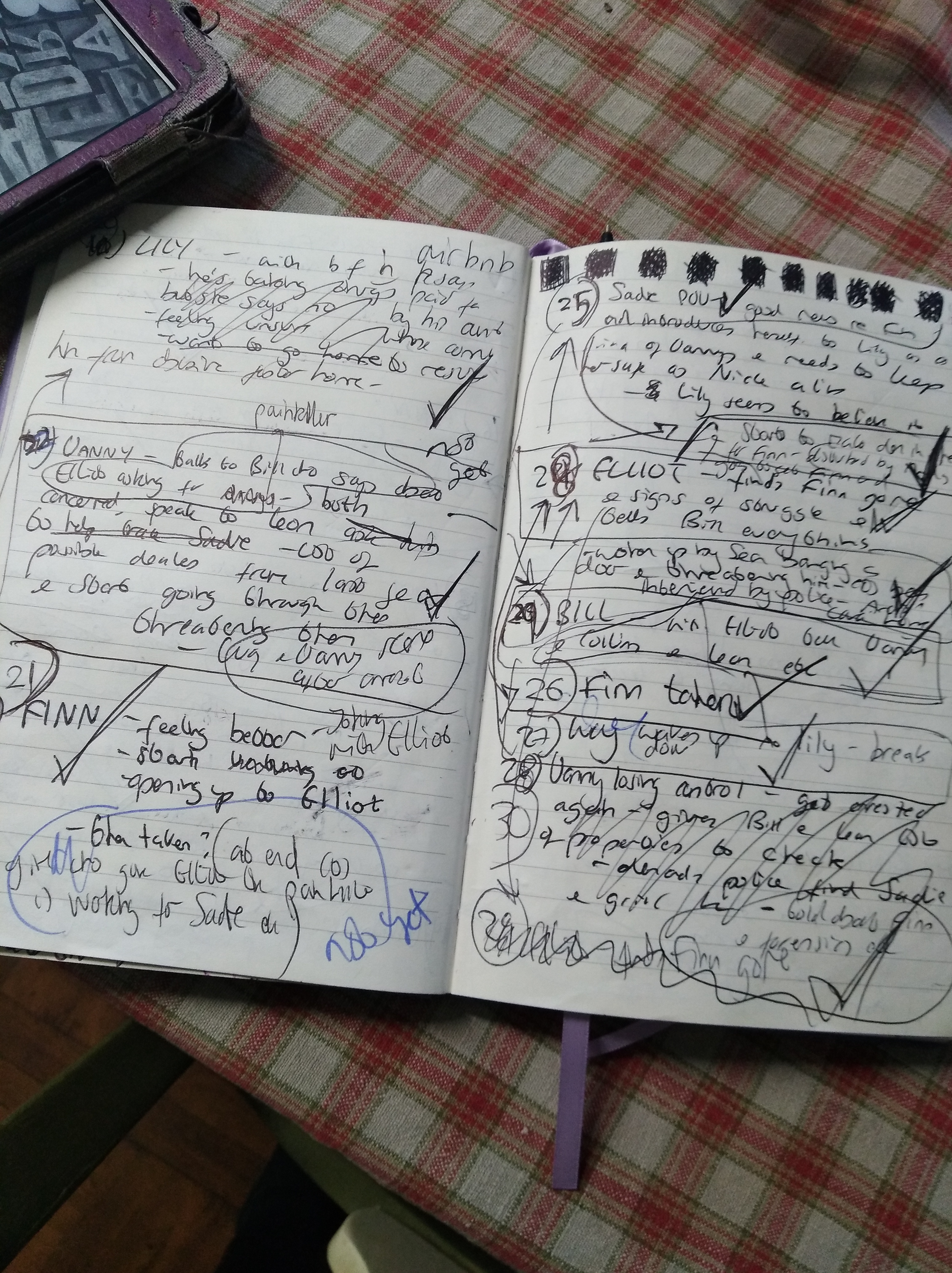
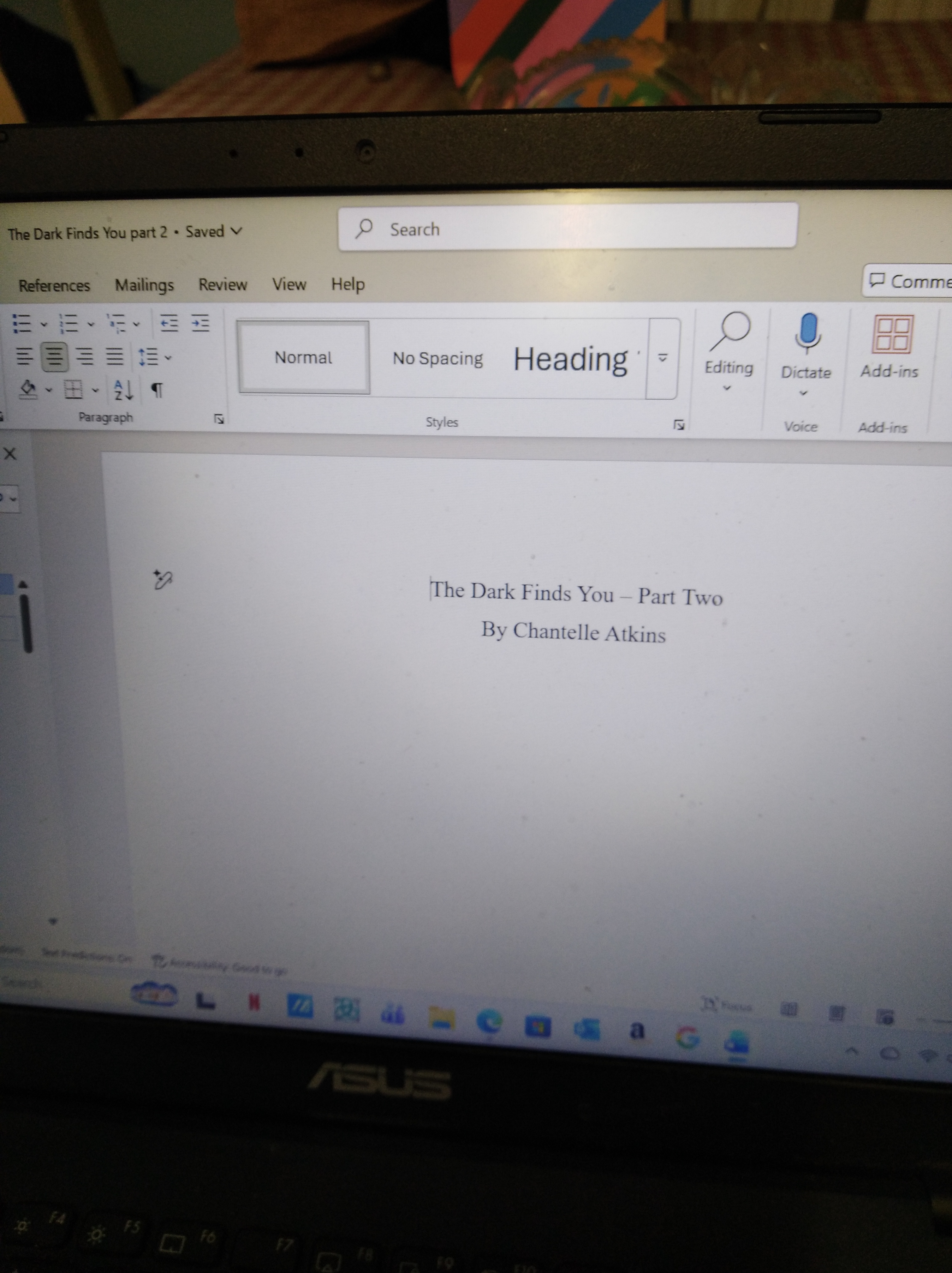
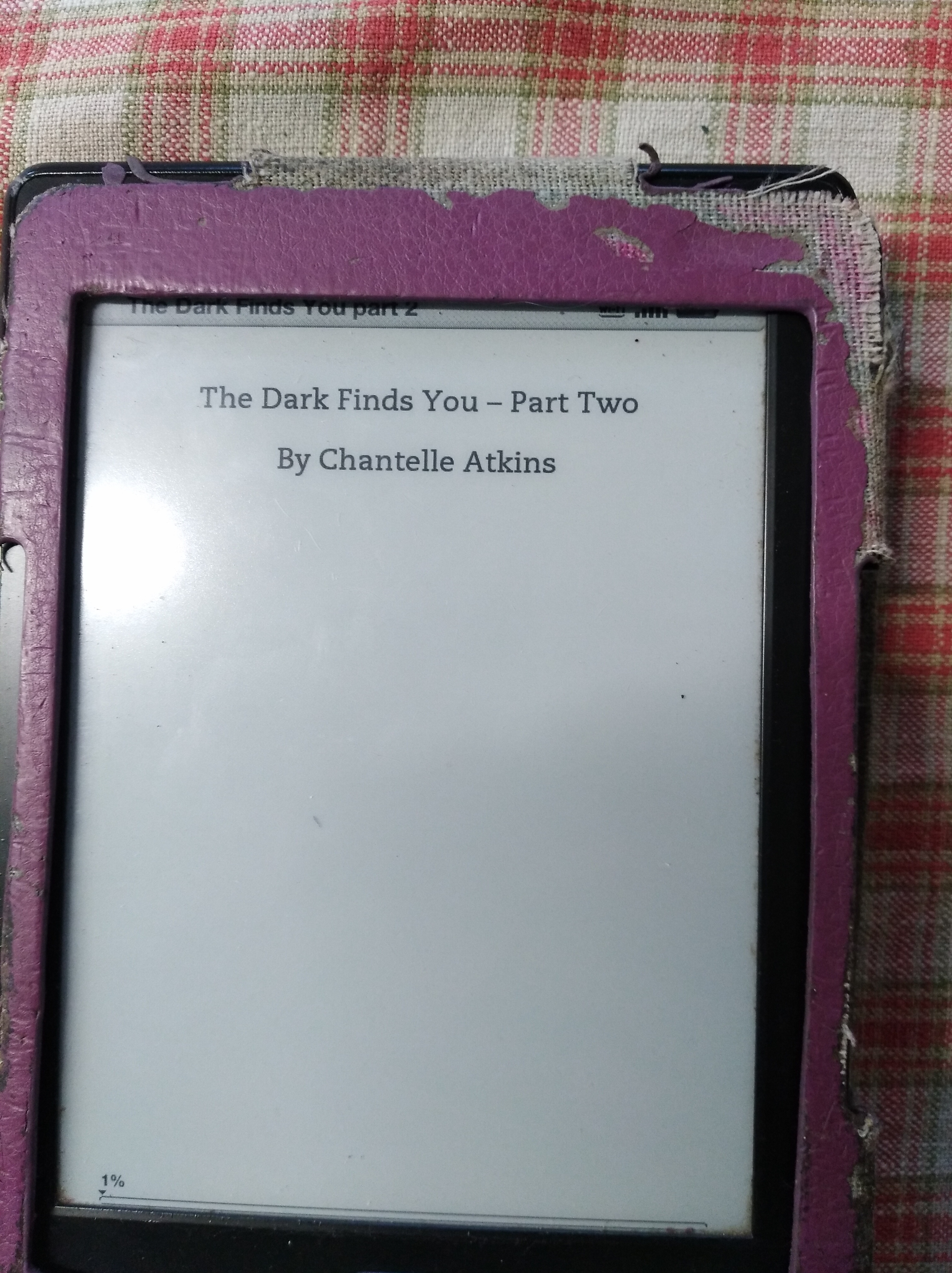
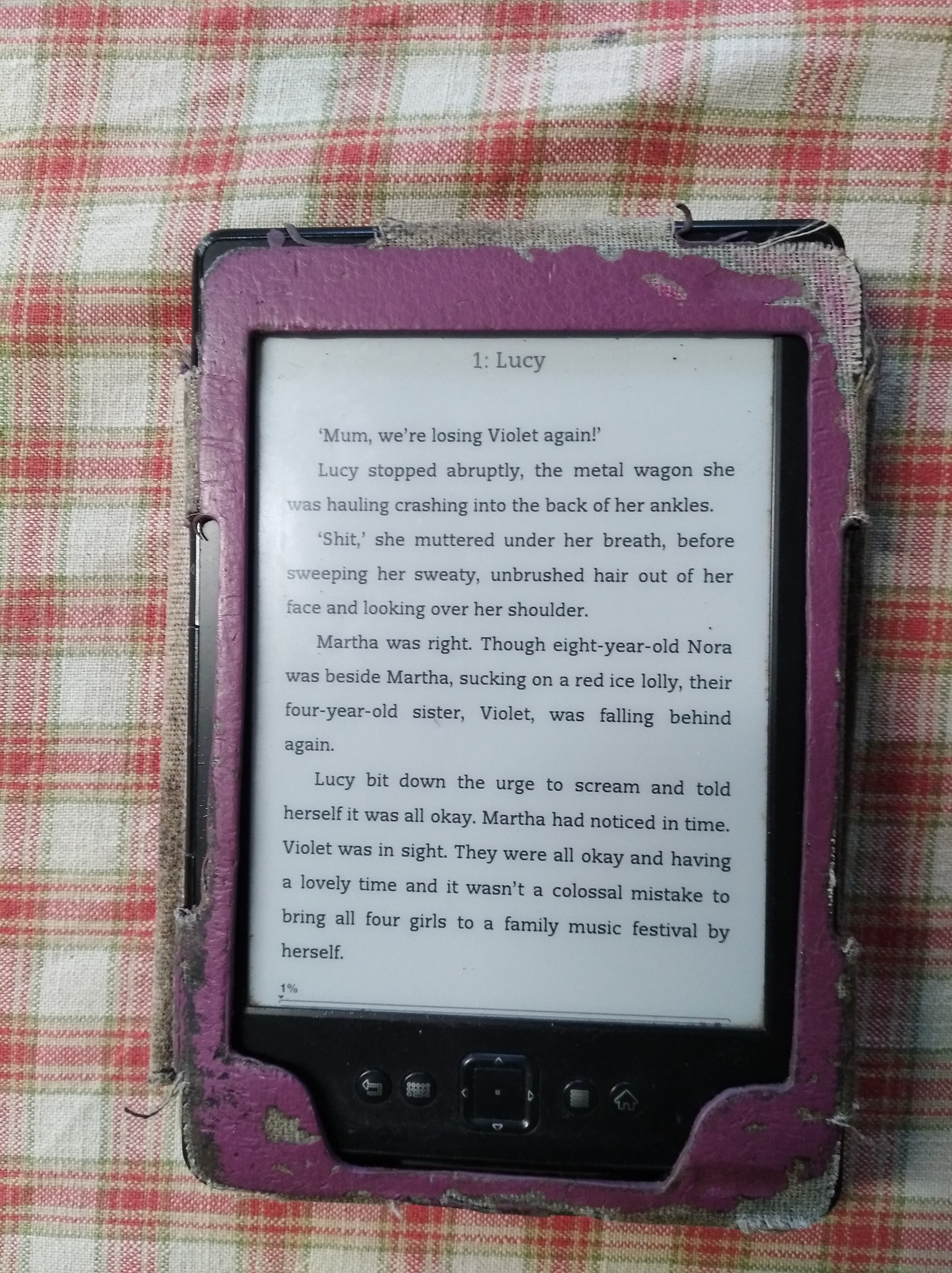
Second, I am preparing my next book for release at the end of the year. I need to sort out the cover, finalise the blurb and send it to my editor. Recently I read it through on my kindle to pick up any lingering typos or plot holes and found it to be a very clean read. But it still needs that professional edit and proofread. I hope to release The Dark Finds You towards the end of the year.

Third, I’ve been adding stories and poems to my next anthology Dirty Feet. I’ve no idea when I will release this, but every now and then I add new bits and pieces to it, so it’s always on the go.

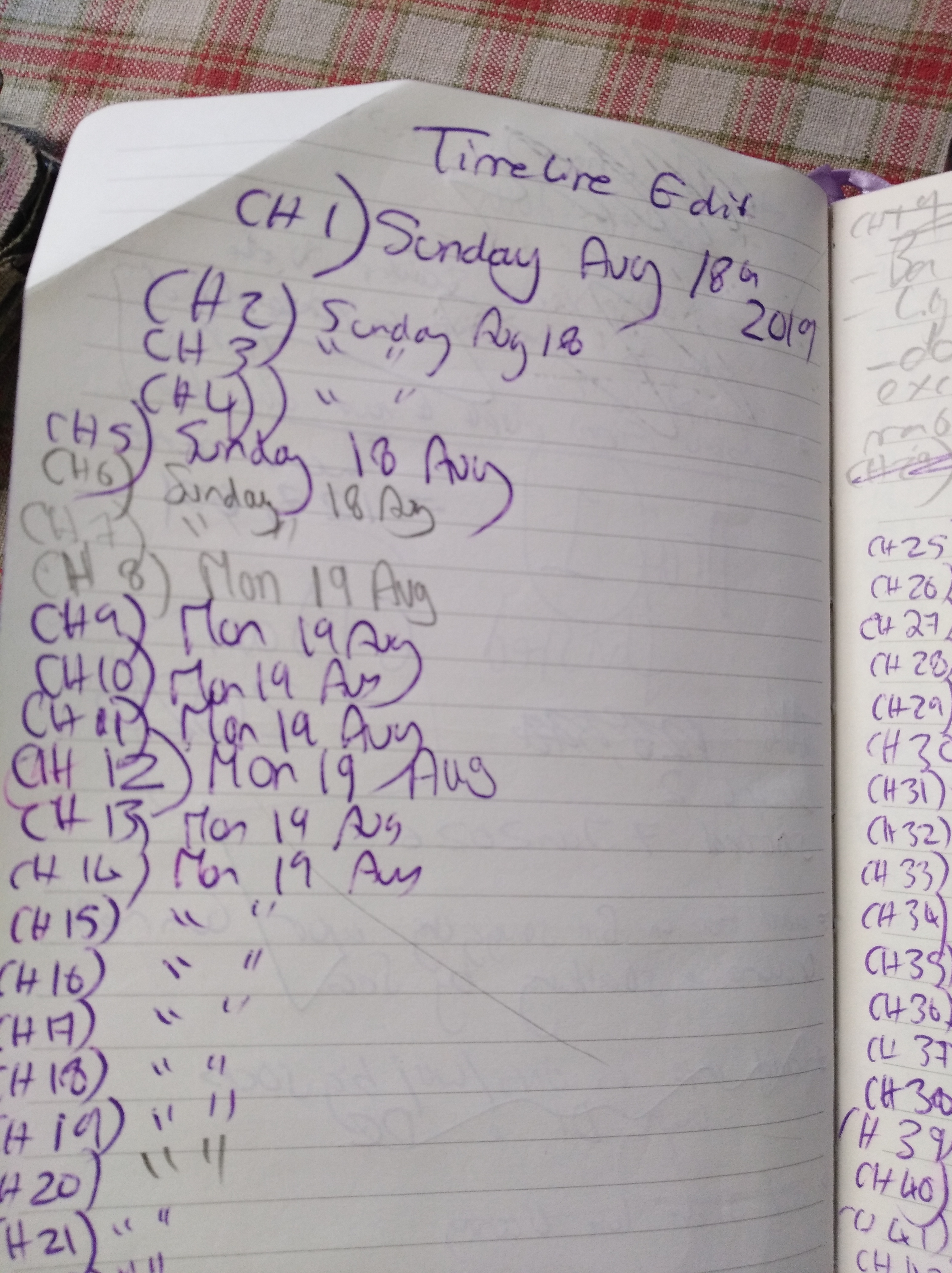
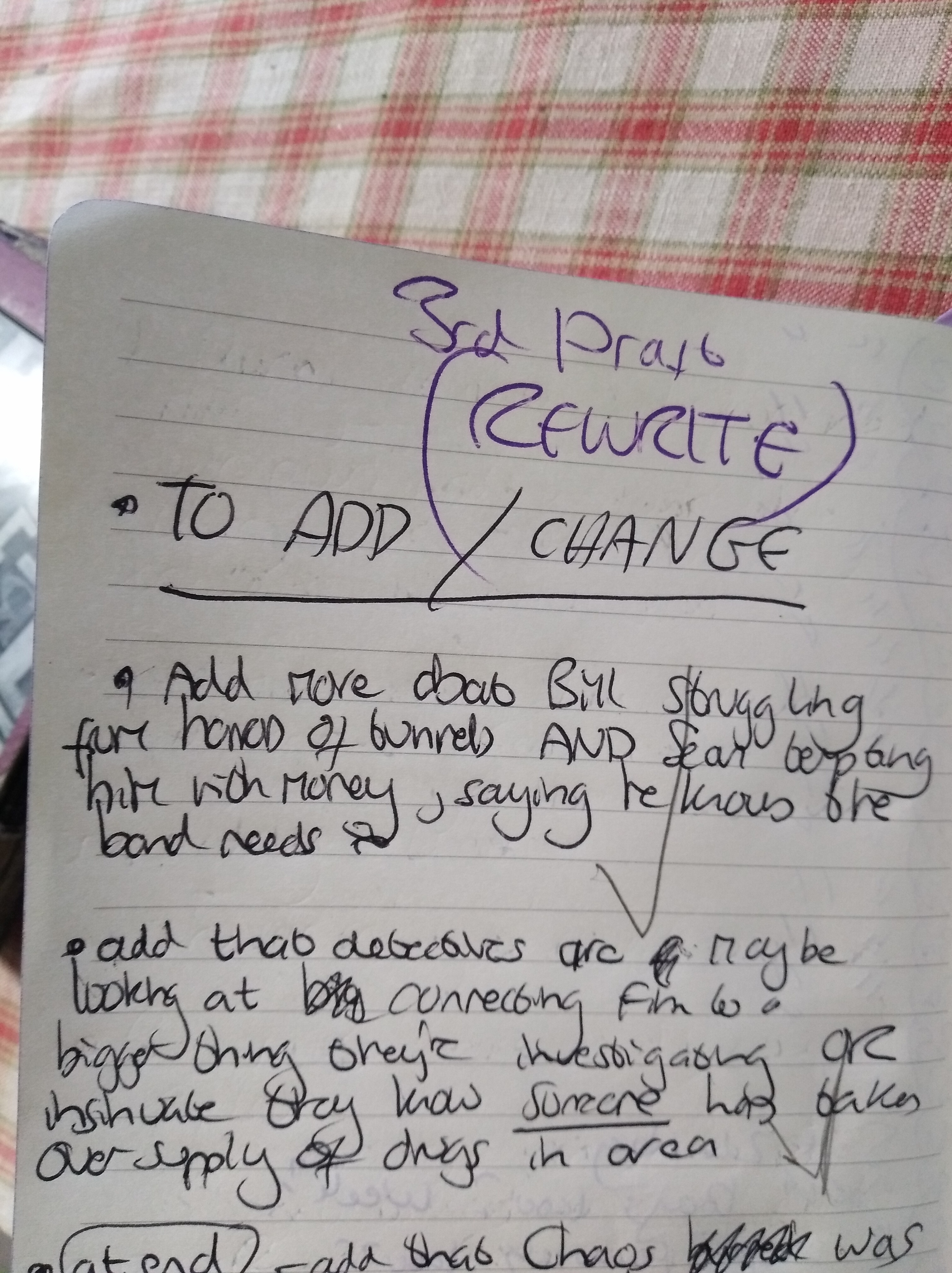
Next, I’ve been working on my official work-in-progress, Black Hare Valley. It was never meant to be a series but book one inspired two more books and then I had the idea of a diary style companion book. That’s what I am writing at the moment, and once that is finished, I will be going through each book in the series with a fine toothed comb, ensuring there are no plot holes and a clear timeline that makes sense!

But as well as all this I started getting the urge to create a graphic novel style version of Black Hare Valley. Don’t ask me why. I can’t even draw very well! I haven’t done anything about this. But the urge is there and it’s very strong!

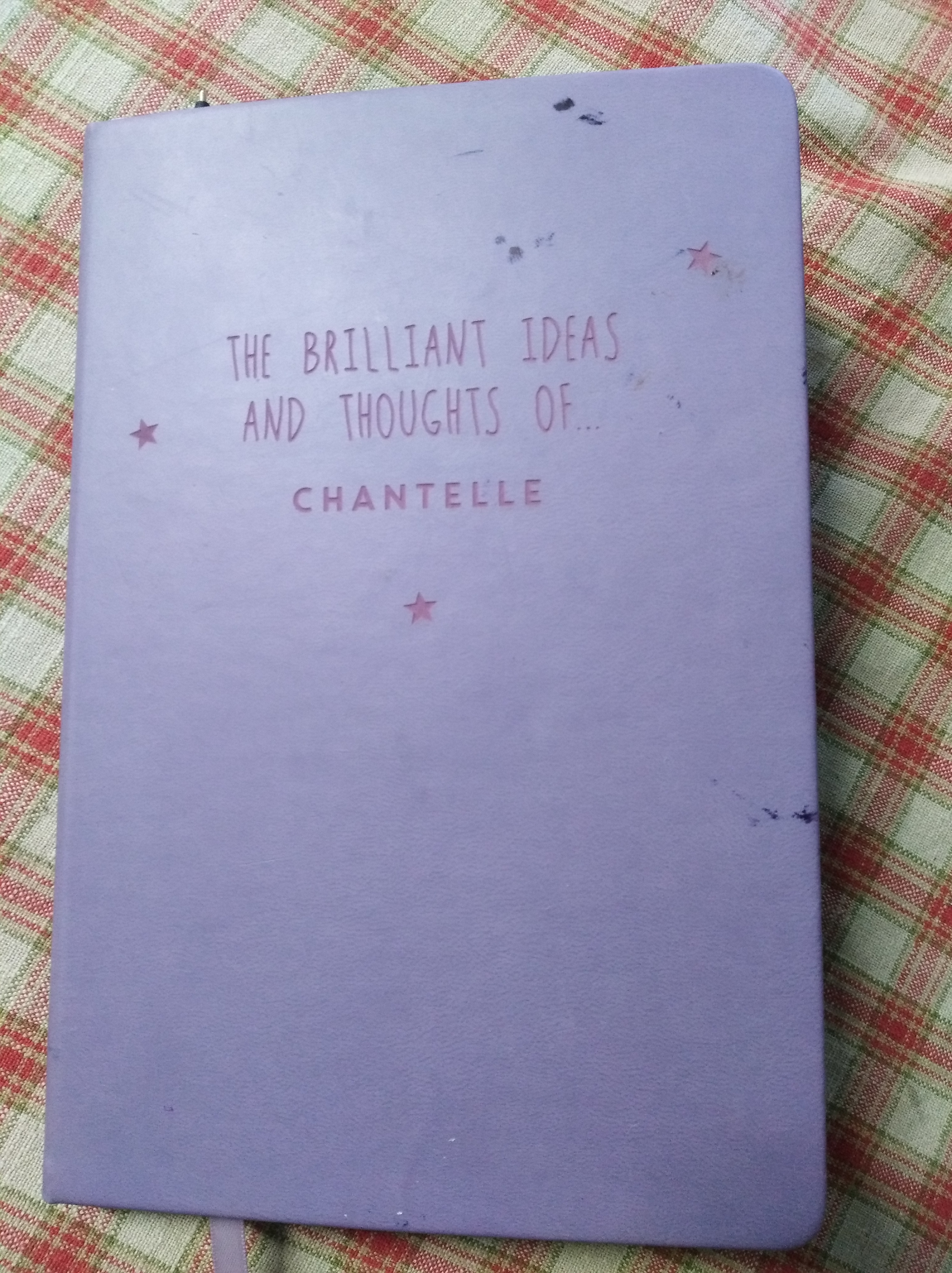
Plus, I’ve been thinking a lot about which book I will work on once Black Hare Valley is complete and decided it will be The Seventh Child, a family mystery thriller. This idea has been building for a while, and I already had the whole plot, the location and the character bios in a notebook. A while back I wrote the first chapter, because, why not? This week, this book has been screaming at me to get on with it! Please, someone tell it it has to wait!

On top of that another book idea keeps growing and swelling and this week I figured out exactly how I will tell it. Anya and Cody Start The Apocalypse is an idea that came to me in bits and pieces with the characters showing up first. I eventually started a notebook to keep track of things and soon had character bios and locations and a loose plot. That plot has since tightened up but I was still unsure of how to tell the story. Then I figured it out. Epistolary style! The book will be written by another narrator who is writing a dissertation project on Anya and Cody after their story is over. It will be told by the narrator compiling diaries, letters, news reports and social media posts in order to explain what happened. I’ve written diary style books before, (The Mess Of Me and The Mess Of Us, plus the companion diary for Black Hare Valley) but I’ve never tried anything like this so I am really, really excited! And I want to do it now!

But it has to wait! I will carry on adding bits to the notebook of course. But that doesn’t mean it will shut up.

My head is full of all these stories all the time. I wish I could create some extra me’s or some extra hands to get it all done. I think I will feel better once I finish the Black Hare Valley diary book. I can then fully concentrate on getting the whole series ready for publication in 2026. I would love to have the first book ready to go in January 2026, for example. The rest of the books will follow one by one throughout that year, and in that time I will be busy writing The Seventh Child.

Then it will be Anya and Cody’s turn…

What is wrong with me?

If You’re Planning More Than Writing, You’re Going To Miss Out

A balance between actual writing and preparation is what to aim for

Image by Yerson Retamal from Pixabay

I’ve been running my own creative writing business for over ten years now. I used to run creative writing workshops for adults and kids, but these days I just concentrate on the kids. My writing clubs are run on Zoom or in person via after-school clubs, and my clubs are always full. My school clubs all have waiting lists. It thrills me to know there is a thirst for writing among young people and I love my job.

However, in all the years I have worked with young people and with adults, whether its running clubs and workshops, or taking part in literary and writing festivals, there is a phenomena I always come across and it always, always worries me.

The over-planner.

The writer, whatever their age, who plans, plots, preps and then plans, plots and preps some more. Often this process, for older writers at least, has been going on for decades. I have met countless adults who are still working on a book they had the idea for as a youngster. I fully understand that life gets in the way. That happened to me and I had a ten year break where I did not write at all. I also understand that self-doubt gets in the way and even money gets in the way.

Let’s not doubt that writing a book, finishing a book and publishing a book is a hard road to hoe.

But many writers seem to be self-sabotaging themselves from the beginning and I am curious to know why.

Within my writing groups, I come across three types of writer.

One, the writer who loves writing, happily responds to every and any prompt or challenge, writes short sharp things, declares them done and then moves on to the next.  These writers are a joy, and I predict that as they get older they will settle down to something a bit longer, something that takes more of their time, but for the moment they are having fun and more importantly, they are finishing things. 

The second type I come across is the ‘have a million stories on the go at once but rarely finish one’ writer the ‘have a million stories on the go at once but rarely finish one’ writer, and again, this is very common with young writers. I used to do this myself. I always tell them not to worry. Having too much to write is not a bad thing, it shows how much is going on inside your head and it also demonstrates that the writer is constantly being stimulated and inspired by the world around them. Great stuff. I have every faith that this writer too will eventually find a story they are passionate about and will stick with it and finish it.

The third type is the ‘have an amazing idea, have created an entire universe, but can’t stop planning and prepping’ writer. This one worries me and in my groups, I keep an eye on these ones as it is a tricky trap to escape from once you fall into it.

There is perfectionism at work here and we all know perfectionism can stop us writing. I think these writers are able to write regularly but everything becomes about planning the book more than writing the book.

Often it’s a complex story, perhaps one that has been with them a long time. It means a lot to them and they want to get it right and do it justice. And of course over time, the writer changes and matures and evolves, so they go back over their writing again and again noticing things they can improve. There is nothing wrong with doing this as a young writer by the way. In fact I would advise against publishing books at a very young age because undoubtedly your writing will get better as you get older.

But I come across a lot of adults with amazing stories they’ve been working on for years, yet they are still not ready to publish. This isn’t about them trying to find an agent, or trying to decide what publishing route to choose, this is about them not thinking the story is ready at all. This is about them working on it, planning, preparing, researching, plotting forever and ever…and never letting go of it to move on to the next thing.

For some reason they can’t quite let it go. They can’t quite share it or declare it finished. Or perhaps they can’t quite write it, because the planning has totally absorbed them and taken over. Some writers are natural planners. They like to plan everything out before they start. I’m talking full plot, sub-plots, intricate character profiles, location research, general research and much more. They often end up with a vast body of work which is undoubtedly impressive, but the story has still not been written.

My advice to this kind of writer is always the same. I always tell the young people in my writing groups that planning and plotting should be a balancing act alongside actual writing — dipping your toe in the water, if you like.

Some writers hate planning and just want to dive right in but I encourage them to do just the minimal amount. At least a plot idea, or brainstorm, at least a character bio or a vague idea for the location. Get that down then start writing. When you get stuck, go back to planning. Does this character need more fleshing out, for example? More back story or motivation? Do you now need to research the location a bit more so you’re not just winging it?

Planning and writing can go hand in hand and happen alongside each other. But they need each other. We cannot have a great story without a bit of planning and we cannot have a great story if we never write it because we are too hung up on the preparation.

Personally, I like to have a vague plot and my characters sorted first,  then the location and after that I start writing. I always like to know what’s roughly going to happen in the next chapter or two and that is enough to keep me going. The story and the characters undoubtedly change and evolve as I write and that is part of the beauty that too much planning can sometimes rob us of.

I don’t like knowing everything before I start – I like finding out as I go along.

But I also won’t start with a blank slate because I’d get stuck really quickly.

It’s all about balance.

For those who don’t finish, who spent maybe years planning and plotting and adding to their body of preparatory work, just consider how fast life goes. Please. On day it will be too late. How sad is that? My greatest fear is dying before I tell all the stories in my head. My goal is to get them all written and published before I die. I can’t think of a greater pain for a writer than bearing untold stories!

Once something is written, once something is out of your head and your planning notebooks, you can make it better. You cannot edit a blank page. You cannot improve a story that has not been written. You’ve got to become comfortable with the process of a first draft.

This is perhaps something some writers struggle with.

A first draft is you telling yourself the story. It should be basic and clumsy. Ugly, even. You should wince a little when writing it, but you should not let that stop you. You are building something for the first time. You are finding your way and if you start writing it, believe me, the characters and the world you have created will start to help tell it for you. A process will begin. Something simultaneously controlled by you and in control of you.

It’s magic, I promise.

I cringe at my first drafts but no one is ever going to see them. I don’t know my characters that well yet, despite the bios I’ve created. It feels clunky and unnatural when they speak or act, but I push forward. I tell the story. Once it is done I go back over it and wow, often its better than I thought it was! But if you don’t ever write the first draft, how will you know?

To the over-planners I say this. A first draft is your friend. A first draft is your starting point. A first draft is a promise. A first draft has so much potential and once it is written in all its stumbling unsure glory, you can sharpen up those perfectionist and over-planning skills and put them to use.

Preparation, notes, ideas, research and snippets are no good all on their own. Plus, you are missing out on the best part of writing if you never get past this stage — writing ‘The End’ and cracking open a bottle of bubbly to celebrate before the real hard work starts…

Go on. Stop planning. Write.

What’s Really Stopping You Writing?

Writing.

An interest, hobby, past-time or career pursued by people who like telling stories. Isn’t that the main thing that motivates us? The stories in our head. The desire to put words together until they make sense and hopefully even entertain.

Yet so many writers don’t write. Or at least, not as much as they want to. This always makes me curious because I can’t think of anything I would rather do. Writing is an addiction. It’s not always easy, the words don’t always flow, sometimes it goes horribly wrong and sometimes I get blocked as much as anyone, but none of that stops it being the most joyful and exciting past-time I can think of. Not much stops me writing, but does that make me weird?

Image by Ulrike Mai from Pixabay

Maybe, or maybe I’ve just gone through the struggles and have managed to come out the other side. Below you will find the most common reasons people give for not writing. These are all things I have experienced myself, so I’ve included advice on getting past each one.

  • Not enough time – I think this is the most common one I hear and it is something I used to tell myself too. As a child and teen I wrote endlessly, but it faded out at university and when I became a young parent it stopped altogether. I spent ten years not writing anything! It was all in my head but I just didn’t think I had the time to write it down. One day I woke up to the fact that there would never be time unless I made time, carved time out of my day, grabbed it and guarded it. I started by writing in notebooks whenever I had a spare minute, and I still do this now. It made me realise I did have time! Maybe only five or ten minutes here or there, maybe while cooking dinner, maybe while waiting in the car to pick up a child, or maybe last thing at night. The writing bug grew stronger once I allowed it just those few stolen moments. I also gave up evening TV completely. As a parent, I was sitting on the sofa once they were all in bed, turning on the TV and feeling exhausted. I realised the TV had to go and shut myself away every evening to write instead. That became a habit I still live by now. Although, these days I do allow myself a bit of Netflix each night before bed!
  • Not enough energy – another common one, and one I can truly relate to, even now. Life is tiring, whether you’re juggling work, kids or both. Our brains and bodies can only cope with so much. We look forward to relaxing and grabbing a bit of me-time, but if you are serious about writing, the me-time has to become writing-time. Feeling genuinely tired is a tricky one, but just like forcing time out of the day for writing, I get past this by pushing through. Some days I might only manage a paragraph before nodding off gets the better of me, other days I might write a whole chapter while yawning constantly. I always do something, even just a sentence or some notes.
  • It’s too late, I’ve missed my chance… – I felt like this during my 20s when I was busy working and raising my children. I thought about writing all the time and my stories were always in my head, but I truly thought I’d waited too long and missed my chance. I’m not sure where this idea comes from but apparently it is quite common. But it’s ridiculous, isn’t it? I told myself it was now or never and why waste another year, or even another minute? I started writing again with a vengeance when I was 33, and now I am 44 and have published sixteen titles. What changed my mind? I think questioning why I wanted to write, and realising it was mostly just for me. Not for publication, fame or fortune, but to finally get these stories out of my head. Of course, writing them only made way for more ideas!
  • Self-doubt and imposter syndrome – These are a horrible but inevitable part of being a creative person. When we are surrounded by greatness, whether it’s in TV, film, music, art or literature, we wonder why we should bother trying to add to it. We compare ourselves to others, usually those at the height of their success, and fall short. Imposter syndrome is when we don’t really feel like a writer and maybe even feel embarrassed to call ourselves one. I felt like this too. When I was a young writer it never crossed my mind. I was full of confidence then! But in my 30s the self-doubt was massive. When I started writing again, I kept it secret to start with. I used a notebook and hid it under the sofa or the mattress if anyone walked in. I was shy – I didn’t want to admit I was trying that writing lark again. I was scared people would look at me funny or ask too many questions. I got braver though, and it wasn’t until I created this blog and started sharing little snippets of work online that I started to believe in myself again. Sometimes you just need time and space to develop that courage, but feedback and positivity from others can be a real boost too. I’d always suggest joining a writing group in real life or online! As for imposter syndrome, all writers get it, even the famous ones, so don’t let that stop you.
  • Fear of rejection and other’s opinions – I think this is another big one. It certainly was for me. The first time I shared my work online or with friends, I felt sick. The first time I submitted to agents and publishers, I felt even worse. Think of it as a rites of passage. It means you’re a writer to have been rejected at some point. The good news is, these days rejection doesn’t have to mean the end of the road. There are so many ways you can get your writing out there so you shouldn’t let the rejections stop you. Instead, let them make you stronger. Listen to the feedback and try to get more by offering work out to beta readers or within a writing group. Other people’s opinions can be upsetting too. Sadly, writers are greatly unsupported by friends and family, a topic I have blogged about before. There are many reasons for this but the main thing to do is reach out to other writers and readers themselves. That’s where you will build your support network. Often, family and friends just don’t get it. If they’re not creative, it just won’t mean much to them, and if they are creative a bit of jealousy and resentment can rear its ugly head. Whatever it is, don’t let it stop you. Despite them, write anyway.
  • It’s too hard – I see this a lot on the internet. There is a lot of negativity around writing and being a writer. The stereotype seems to assert that writers are all crazy, introverted people who have to be dragged kicking and screaming to their writing desk, where they then procrastinate for hours and stare at a blank screen. I actively dislike this stereotype. It is not true of all writers. I know many writers who are dedicated to their work and write every day, sticking to a rigid routine, whether they are in the mood or not, whether it is going well or not. They don’t seem to get mentioned much though. People would rather laugh and nod at the memes suggesting writers moan about not having time to write and then stare into space when they do have time. That’s just not how it works. If that were true, no books would ever get written. Writing is hard, sometimes, but it’s also wonderful, exciting, exhilarating, joyful, magical and therapeutic all at once, but we don’t see that splashed around as much. It almost feels like these negative posts are trying to put writers off even trying! Don’t let them. Yes, it can be hard. Finding the right words, devising characters, organising a timeline, editing, revising, proofreading, marketing, finding the time, finding the energy, not getting distracted by other ideas; these are all things writers battle with but it is still worth it!!
  • Losing interest, getting bored, running out of steam…. – These are all similar to writers block in that they come along and derail your work-in-progress. But only if you let them. This happens to me too, of course it does. Some of my books have practically written themselves, some have felt totally addictive, and others have been a real struggle from start to finish. I always prioritise the one that is closest to being finished, but this doesn’t mean I don’t work on other things. One book is always ahead, always closer to being ready for publication and that is the book I will make myself stick to every night, whether I feel like it or not. Because I know that if I don’t, I will never come back to it and I will keep jumping from story to story and never finish anything. If it’s hard work, I will set a target, maybe writing a chapter of the tricky one each night and then allowing myself to mess around with a new idea. I do the same with editing and proofreading. If those books are that close to publication, then they take priority. I’ll do maybe four chapters of editing first and then allow myself to write something new. This way I am nearly always having fun with new ideas, but I am strict with myself about getting a book finished.

I suppose the question you have to ask yourself is, how much do you want this? What does writing really mean to you? If you want it badly enough if it is important enough for you, you know what you need to do, so do it. Push through the blocks, the exhaustion and the self-doubt, ignore imposter syndrome, do it despite your loved ones not caring, find the time, make the time, demand the time and accept that it is and should be hard.

These are just some of the reasons people don’t write, and I have experienced them all. I am sure there are many others though, so please feel free to comment and share. What gets in the way of your writing and what to you do to get past it?

The Only Writing Advice You Ever Need

Google the term ‘writing tips’ or ‘writing advice’ and you will soon find yourself drowning in things you should and should not do as a writer. Write every day. Write when you feel like it. Self-publish. Don’t self-publish. Know your audience. Write for yourself. Write what you know. Write what you like. Other writers will give you advice, and people who don’t write will give you advice. There are infinite amounts of websites and author services dedicated to giving you advice.

And of course, a lot of this advice is important and valuable. If you are new to writing, of course you should seek advice, ask for help, ask for feedback and be prepared to listen to those who have gone before you. The trouble is so much of the advice is contradictory, because what works for one writer will inevitably not work for another. The trick is forging your own, individual path through all that advice and all those tips.

Image by Pexels from Pixabay

Take what you need from the writing advice websites and articles, and ignore what you don’t. Because above all else, you have to remember that one size does not fit all. Some writers plan and plot to an excruciating degree before they ever start writing, and that’s okay. Some writers don’t plan or plot a thing, they just start writing and see what happens and that is also okay. Some writers get the concept first and have to create the characters to fit the idea, and some writers get the characters first and have to create the plot to fit them. Both are totally okay. Some writers write every day. Some writers only write when they feel like it. It doesn’t matter what type you are.

The only writing advice I personally think you ever really need is this.

Do what you want.

You can interpret that any way you like. Find your own path. Create your own journey. Do whatever makes you happy. Do whatever the hell you want.

Because above all else writing should make us happy and passionate. We should feel happy and excited and passionate about our writing. It should be, above all else, our happy place. The thing that makes us feel like ourselves. The thing that makes us feel free. And yes, further down the road, you might want to think about audiences, and readers, and markets and blurbs and selling…but before you ever get close to those things, you have to love what you write. You have to love to write. You have to be totally and utterly in love with the act of writing because quite simply, the act of writing is for you. It’s yours.

Its your escape. Your freedom. Your way of interpreting the world. Your way of figuring out how you feel and what you think. Your way of speaking up and being heard. Your way of leaving some kind of imprint on this world. Your way of being you. That’s how writing feels for me. And every time I try to please anyone else, it all gets messed up.

Writing is mine. And I do what I want.

I’ll leave you with this poem, one of many from Charles Bukowski that for me sums up how I feel about writing. Please note, this poem does not sum up how everyone feels about writing! Other writers may not relate to this at all, and that is okay! I just love this poem so much and I feel like Bukowski only ever did exactly what he wanted.

“So you want to be a writer


if it doesn’t come bursting out of you
in spite of everything,
don’t do it.

unless it comes unasked out of your
heart and your mind and your mouth
and your gut,
don’t do it.

if you have to sit for hours
staring at your computer screen
or hunched over your
typewriter
searching for words,
don’t do it.

if you’re doing it for money or
fame,
don’t do it.

if you’re doing it because you want
women in your bed,
don’t do it.

if you have to sit there and
rewrite it again and again,
don’t do it.

if it’s hard work just thinking about doing it,
don’t do it.

if you’re trying to write like somebody
else,
forget about it.

if you have to wait for it to roar out of
you,
then wait patiently.
if it never does roar out of you,
do something else.

if you first have to read it to your wife
or your girlfriend or your boyfriend
or your parents or to anybody at all,
you’re not ready.

don’t be like so many writers,
don’t be like so many thousands of
people who call themselves writers,
don’t be dull and boring and
pretentious, don’t be consumed with self-
love.
the libraries of the world have
yawned themselves to
sleep
over your kind.
don’t add to that.
don’t do it.

unless it comes out of
your soul like a rocket,
unless being still would
drive you to madness or
suicide or murder,
don’t do it.

unless the sun inside you is
burning your gut,
don’t do it.

when it is truly time,
and if you have been chosen,
it will do it by
itself and it will keep on doing it
until you die or it dies in you.

there is no other way.

and there never was.”