My 16 Best Books of 2016

In order to compile my list of the best books I’ve read in 2016, I sat back and thought about the books that have had the biggest impact on me. I quickly wrote down all the ones that came to mind, and so here they all are. I have also included how I came across each book, ie was it recommended to me, was I sent it and so on. I thought this might be useful! I have read so many books this year, and it is simply impossible to list them all, so I have tried to pick books here that are the sort of thing I generally look for when reading.I have not listed them in order of preference, they are simply listed in the order they came to mind. However, there is one book that stood out above all the others for me personally, one book that I can safely say is the best book I have read in 2016 and this is listed as Number One. Enjoy.
MOOJIEgelettburgess1MB

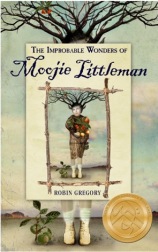
  1. The Improbable Wonders Of Moojie Littleman by Robin Gregory is an absolutely beautiful book and very unique. It had me smiling from start to finish, contains fabulously flawed and addictive characters and provides a great big splash of the hope and positivity we all so desperately need right now. I’ve actually lost track of the amount of awards this book has won, so I’ve added a link here . I’ve also got to mention that Robin provided me with a wonderful interview you can read here and she is a thoroughly lovely person!
  2. No Dogs Or Indians by Lisa Hare is  a book I read purely by accident. I’m one of the reviewers for Underground Book Reviews, where authors pick reviewers based on their reading preferences. I was sent this book by accident, as it was not on my list, but was advised to read it anyway as it’s been nominated as one of the books of the year. It sounded interesting so I dived right in and came out with tears running down my face. One of the best books I’ve read in ages, and again, very unique, beautiful in its themes and messages, and one that will stay with me for a very long time. Get it!!
  3. A Necessary Act by Tony Wirt is a book I did choose to read for Underground Book Reviews, and I nominated it for a top pick and book of the year, it was that good. The plot revolves around a really interesting question; if you were utterly convinced a fellow schoolmate was well on the way to becoming a serial killer, would you do anything to stop him? The book puts its teen characters in this predicament and ends with a twist I never saw coming. Tense, horrific, unputdownable!
  4. The Many by Wyl Menmuir is probably one of the most controversial books on my list. By that I mean, it has the most mixed reviews I’ve ever come across! From glowing five stars to downright grumpy one stars, it seems this is a love it or hate it or plain just don’t get it kind of book! I first heard about it on my Facebook timeline as it had been longlisted for the Booker prize which was quite an achievement for a debut novel signed to a small press. I then came across the author in a magazine I receive for being a NAWE member (National Association of Writers In Education) I was so inspired by his article about independent writing spaces in school I contacted Wyl and thanks to his advice, I will hopefully be diving into my first school project next year with my business Chasing Driftwood Writing Group. But anyway, back to the book! Haunting, surreal, dark and claustrophobic are just some of the words that spring to mind. Eerily silent and with an ending that quite literally punched me in the gut. If you are looking for something unique to read, something that has divided opinion quite wildly, then this is the book!
  5. L-2011 by Mark Gillespie is written by a fellow indie author I’ve followed for a while. I loved the idea of this speculative fiction novel; what if the London riots in 2011 had not ended? What if the riots had gone on and on? In this gritty coming of age drama, Mark introduces us to some memorable and believable characters in this book which is the first in the series. The second book Mr Apocalypse is not now and is on my to-read list as I can’t wait to find out what happens next.
  6. The Unwind dystology by Neal Shusterman will go down as the most disturbing series I have read this year. If you are at all into The Hunger Games, Divergent or The Maze Runner books, then you simply have to dive into this YA series, as it is so much better! It’s taken me all year to read the four books, partly because I have so many other things to read, and partly because they get under my skin too badly and I just need a break between reading them! This series takes us to a not too distant future after a civil war in America led to a new law being written where parents can retrospectively abort their children between the ages of 13 and 18. They are not technically killed though. Every single part of them is harvested (while they are fully conscious) to be donated to people who need them. Quite horrifically, troublesome teens body parts have become a very valuable commodity. The most genius part of book one is how the author makes you wait until nearly the end of the book to show you what actually happens during unwinding. All the way through you are thinking about it and trying not to think about it, and the tension becomes unbearable. Just finished book four today and I’m really excited to hear they’re being made into films. But read them first, please!
  7. Daydreams and Devils by the brilliant Robert Cowan is a book I selected to read for Underground Book Reviews. I was attracted by the storyline of gangsters and bands and was not let down in the slightest. It was another of my top picks of the year for UBR and I currently have another of Robert’s books on my to read list. This book ticked every box for me; great characters, believable dialogue, fast paced, edgy, coming of age and with an awesome musical soundtrack. I was one happy reader from start to finish and Robert is a terrific reader I am very happy I discovered in 2016
  8. The Leaving by Tara Altebrando is a book I noted down when it came up on a best YA books list. I bought it for my daughter and we both really enjoyed it. The plot revolves around six five year olds who went missing eleven years ago. Out of the blue five of them have now returned. What I liked about this mystery novel was how each chapter was from a different characters viewpoint but in the third person. Each chapter had a very different voice and was written differently, even set out and formatted differently to the others. Very spooky with plenty of twists and turns, I think anyone would enjoy this!
  9. Far Cry From The Turquoise Room by the amazing (and still my favourite indie author) Kate Rigby is a great example of Kate’s work, which is often edgy, gritty and retro. I love her style and her characters who you just want to take home. In this story a young Asian girl feels shunned by her charismatic father after the death of her sister and ends up running away. Kate covers so many hard hitting subjects in this book, and always in a tender, humorous and realistic manner. I’m working my way through her books and always relish getting my hands on the next one!
  10. Chance by Peter Dudgeon was recommended to me by a friend. It’s about a killer who picks his victims by random chance and 9-year-old Cassie who is able to see into the future when someone is about to be hurt. Being in close proximity to both the killer and some of his potential victims allows Cassie a disturbing glimpse into his warped mind and she soon realises the police are on the wrong track completely. Brilliantly written, tense and gripping, you won’t be able to put it down. There is also a sequel which is on my to-read list, and Peter Dudgeon is another author I’m very glad I discovered this year!
  11. Nightfall by Jake Halpern and Peter Kujawinski is another book I read after my teenager had her hands on it. She picked it up in the book shop one day and after reading the blurb I couldn’t wait for her to finish so I could start. It’s an eerie YA dystopian set on a mysterious island , where it is daylight for fourteen years followed by nightfall for fourteen years. During the nightfall the islanders pack up and leave the island and do not return until the next daylight. The main characters Marin and Kana are brother and sister and they miss their boat off the island when they go in search of their best friend Line, who is missing. When reunited, the three teens have to face the darkness as it begins to fall, knowing they are trapped on the island for fourteen years, but worse than that, they soon realise they are not alone. Loved this from start to finish! So well written, steadily paced, so much is held back until you need it, which makes you just keep turning the pages.
  12. The Recital by Kyle V. Hiller is another book I chose to read and review for Underground Book Reviews. I was intrigued by the storyline which promised contemporary issues wrapped up in magic realism. The story is told in the first person from the wonderful Edith, a 12 year old girl I quite quickly fell in love with. Edith has a few troubles on her plate. She hasn’t grown in a year, she is in love with a boy who is dating her arch enemy and her family life is about to be shattered. On top of all of that she has just found out she is a witch who needs to learn to control her powers (which, by the way, can have quite horrific results for anyone who is in the wrong place at the wrong time!) As Edith staggers awkwardly from one disaster to the next, an intriging and unique story unfolds, involving magic and spells, as well as coming of age, bullying and sexuality. Put a smile on my face from start to finish and I will definitely be reading more from this author!
  13. Those Who Wander (All That Glitters Book 1) by Shalaena Medford is a fast-paced steampunk YA novel which involves pirates, maps, and a stolen zeppelin. In many ways an action-packed steampunk adventure, but also a coming of age tale, in which main character Song has to let go of the past and construct a new, true version of herself, this book is a journey in many ways. I felt like I was on the journey with her, both the physical and the emotional one. Extremely visual, I could see this making an awesome movie! I was very impressed and will definitely be buying book two when it is released. Anyone who likes steampunk, action, adventure, fantasy or sci-fi will love this! I came across this book as I follow Shalaena on social media.
  14. The Soul Bazaar by Anthony Morgan Clark is a uniquely crafted and captivating collection of dark stories, which will have both a physical and emotional effect on the reader. From the title story The Soul Bazaar, which introduces a chilling trader of souls, who wears only red, to post-apocalyptic disease and violence in After The Disease Part One and Two, this is a rollercoaster ride of horror and uneasy feeling. Wake, the story of a man enduring a life-saving transplant, will stay with me for some time to come. As will Bes, a glimpse into the troubled mind of a dangerous individual and his imaginary friend. The author has the unique ability to make your stomach cramp with the tension he builds, and the language used to convey the horror his characters live through is just perfect. A disturbing and spine chilling read, highly recommended. I came across this book as I follow Anthony on social media.
  15. Spine Chillers: Hair-Raising Tales Book One by Q.L Pearce is a book fans of Goosebumps will really enjoy.  I was sent this book for free in return for an honest review. (Plus, look out for an exclusive interview with Q.L Pearce in the New Year here on my blog!) Each one is guaranteed to offer the reader a dark and bumpy ride into the unknown and leave you with your jaw hanging open. I enjoyed all of these stories but got a particular kick out of Hale Hallow Woods, a tale of ghostly revenge, Seaworthy, a creepy pirate themed adventure, and my firm favourite, The Healer. The twist in The Healer is one I did not see coming and have been unable to stop thinking about ever since. This is a flawless collection of spine chilling tales and I very much look forward to the next instalment.
  16. The Giver by Lois Lowry is a book I had been meaning to read for a very long time. When I finally got around to it, I was not disappointed in the slightest. I was enchanted, disturbed, touched and intrigued. You probably all know the plot, but for those who don’t, 12 year old Jonas lives in a seemingly perfect, pain free world where children are assigned to their parents, just as spouses are perfectly matched and employment is dealt out depending on personality and skills. The system works. no one feels pain and everyone is content. But when Jonas goes up to receive his position he is told he is to become the next Receiver of Memory. His training starts right away with an old man known as the Giver, and Jonas soon discovers the disturbing truth about his utopian world. A trail blazer in the genre of dystopian fiction, this book is simply breathtaking. I quickly ordered the entire quartet and read them one after the other. (My daughter is getting them all for Christmas and I really can’t wait for her to read them so we can talk about them lots and lots!)

Did Choosing An Audience Ruin My Book?

I don’t know for sure, but it feels like it.

Let me explain. I am, of course, talking about The Tree Of Rebels, a book that once seemed so simple in its concept and execution. I tend to write quite hard hitting, gritty stuff, and I decided (rightly or wrongly) that I wanted to write a book my children could read. Specifically, I was aiming it at my daughters, who were at the time 11 and 12 and devouring books like The Hunger Games and The Maze Runner.

It wasn’t like I invented an idea to try to fit this genre and audience. I already had the idea for a dystopian future (one I am genuinely scared of). But I have to admit, this was the first time I ever sat down and tried to write a book knowing who the audience would potentially be.

Now, don’t get me wrong, there is absolutely nothing wrong with knowing your audience. Knowing your audience is key! How else will you know how to describe your book to potential readers? How will you know what categories to choose on Amazon etc? How will you know what cover and font to go for? All these things matter!

In fact, not knowing exactly who my audience were caused me no end of problems in the early days. You see, I didn’t know what kind of writer I was, because I had never really had to think about it before. The first two books I released, The Boy With The Thorn In His Side and The Mess Of Me featured young adults as the main characters, but this was purely incidental. In fact, if anything, I didn’t consider myself a YA writer at all and even kind of rejected the idea. I didn’t want to pigeon hole myself, I guess. I wanted adults to like my books too. It wasn’t deliberate that my characters were all young; that’s just the way it worked out. Or so I thought.

Truth is, I didn’t really understand the YA market at that time. I hadn’t looked into, or researched it as a phenomena. Since then, I’m glad to say I have learnt a lot and come to terms with the fact, that although not exclusively a YA author, YA is what I do best, YA is in my heart and soul, and YA is undoubtedly what I tend to seek out for reading material. I just didn’t really connect the dots in the beginning.

Anyway, the point I am trying to make is this. It can be good to know your audience before, during and after you write a book. It would have made things a lot easier for me when releasing The Mess Of Me if I had got on board with this and fully embraced and accepted the YA market I was aiming at.

BUT I do feel that knowing who to aim The Tree Of Rebels at has had a negative impact on writing the book. It felt like there was someone looking over my shoulder the whole time, saying no, don’t do it like that, that’s not how you write this sort of book! Looking back, knowing which audience I was aiming at definitely changed the way I approached it, making it one of the most challenging books I’ve ever written. I mean, none of the others ever felt that difficult, you know? They just kind of, happened. It’s not the only thing I can blame it on, and anyone who reads this blog regularly will know how many issues I have had with the book including the ones talked about in  Getting To Know Your Characters  and Final Draft? Patience is the key…

I’ve done so many drafts now that I have lost count. I have sent it out to beta readers three times and received very, very detailed edits and critique. I originally wrote the damned thing on Wattpad, so I had feedback on the very first version as it happened, and then posted later versions on there too. Lots of people have been involved and all of them have been incredibly helpful. Before I started this latest draft my intention was to fill it in more, add some detail and meat about how these people exist, but then towards the end I realised there was still something major missing.

Me.

'The first person you should think of pleasing, in writing a book, is yourself. If you can amuse yourself for the length of time it takes to write a book, the publisher and the reader can, and will come later'-Patricia


It hit me one day while talking to my daughter.

I wrote this book to please them, and to please a certain type of reader who likes a certain type of book. I have never ever done that before. All of my other books were written to please me. They were written to scratch an itch. They were written to get the noisy people out of my head and onto the page. They were written out of passion and necessity. There was no other reason to write them other than that I simply had to. I’ve never known at the time of writing, who would like this book. Even with my current work-in-progress Elliot Pie’s Guide To Human Nature, I have absolutely no idea who this book would be aimed at or how I should even describe it! That for me, is familiar territory!

Of course, with my other books, on further drafts and edits I did begin to write and rewrite with my reader in mind. You have to! But they were not there in the beginning. It was just me.

So, how has this revelation helped me with The Tree Of rebels, you might ask? Is it totally ruined?

No, of course not. I still believe in the story and the characters. I have even started a sequel! But for now, I  have decided to leave this book alone. Put it to one side and focus on something else. I have decided to forget who it was aimed at, and essentially write it again. I have decided to write it the way I write all my books. I have decided to let it be whatever it needs to be and to stop trying to sculpt it into something I think it should be. In other words, forget about the perceived audience…For now.

I have a feeling it is now going to become an altogether darker book. But this is good. And would you believe it, while walking the dogs the other day, I had further revelations. Extra characters and another storyline, an important one, to feed into the others. It might make it a longer book. There might be more cutting. I’ve written the ideas down and that’s it for now. I am still not going back there yet!

But when I do I will be rewriting it entirely and writing it for me.

What do you think? How do you write a book? With the audience already decided or with just yourself to please?  Is anyone in your head when you write that first draft or do you really have no idea what sort of reader would enjoy it? Please feel free to comment! 


Author Interview; Robin Gregory

Today I am so excited to share my interview with award winning author Robin Gregory. Robin was born in Florida but grew up in California. She has worked as a journalist, a lay minister and an infant massage instructor for mothers and babies at risk. Her debut novel The Improbable Wonders Of Moojie Littleman is a beautiful and unique coming-of-age story, a mystical adventure, and quite simply one of the best books I have read in some time. Robin’s book has won the Gelett Burgess Children’s Book of the Year Award 2015, the IPPY Gold Medal – Best Cover Design – 2015, and is currently a finalist in Foreword Reviews – Indiefab Best Books of the Year and a finalist in the International Book Awards- Fiction – Young Adult 2016. Read on to find out more about Moojie Littleman and the inspiration behind it!

1-  The  Improbable  Wonders  of  Moojie  Littleman  is  a  unique  blend  of  magical   realism  and  coming  of  age.  Can  you  tell  us  how  the  book  came  about?  Where  did   the  idea  come  from?

Mostly,  my  son  inspired  the  book.  But  so  much  of  my  own  childhood  went  into  the   mix.  I  was  one  of  eight  kids  growing  up  in  a  pretty  messed  up  Catholic  family.  This   led  to  a  lot  of  heartache,  loneliness  and  feelings  of  “not  belonging.”  I  buried  most   of  those  feelings  for  a  long  time,  then  spent  twenty  years  trying  to  figure  out  why  I   was  so  unhappy.  The  healing  of  these  early  wounds  really  began  when  my   husband  and  I  adopted  a  baby  with  special  needs.  The  “not  belonging”  feelings   surfaced  when  I  witnessed  how  others  excluded  him.  His  daily  struggles  have  been   ongoing,  and  yet,  he  is  the  most  kindhearted,  courageous,  and  bright  boy  I  have   ever  known.  He  has  taught  me  to  forgive  the  past,  and  to  look  for  the  good  in   everyone  I  meet,  starting  with  those  who  exclude  him  or  look  down  at  him.

2-­How  would  you  best  describe  your  genre?  Was  there  an  intention  to  blend   genres,  or  did  the  story  just  evolve  that  way?

Oh  boy.  This  was  a  hard  one  for  me.  I  cringe  at  labels—any  kind  of  labels.  The   human  mind  wants  to  label  everything,  doesn’t  it?  It  wants  to  name,  package,  box   and  brand.  I  have  learned  that  one  of  the  best  ways  to  find  inner  peace  and   happiness  is  to  abstain  from  doing  this.  Our  opinions  are  vastly  limiting  and   troublesome.  MOOJIE  LITTLEMAN  is  about  coming  of  age,  but  also  about  spiritual   awakening.  The  book  would  probably  fall  best  into  the  “Visionary”  category,  but   few  bookstores  have  a  shelf  for  that.  Magical  Realism  works  better  as  a  category   than  Fantasy  since  the  story  is  grounded  in  physical  reality  while  encompassing   mystical  themes.  And  Magical  Realism  gave  me  a  way  to  climb  into  Moojie’s  skin,   and  live  from  a  soulful  point  of  view,  not  just  physical.  I  wrote  the  story  for  fluent   readers  of  all  ages,  but  my  publisher,  editors  and  agent  convinced  me  to  market  it   as  Young  Adult.  They  were  looking  at  Moojie’s  age,  the  PG  rating,  and  the  allusions   to  The  Odyssey,  which  students  in  the  US  study  from  age  12  to  18.  It  pleases  me  to   no  end  that  the  book  has  won  awards  in  Young  Adult  and  Adult  categories.

3-­ Do  you  have  any  personal  beliefs  or  passions  that  influenced  the  book?

To  expand  a  little  on  the  first  question,  my  spiritual  practice  has  been  key  to   shaping  the  story.  I  believe  we  are  all  coming  of  age  spiritually;  that  is  why  we  are   attending  what  a  friend  of  mind  calls  “Earth  School.”  In  the  past  twenty-­one  years,   I  have  seen  all  kinds  of  healing,  and  have  come  to  the  realization  that  nothing  is   incurable.  Several  of  the  so-­called  miracles  in  the  story  actually  did  occur  in  my   life.  A  part  of  me  has  been  wanting  to  teach  others  that  what  they  consider  to  be   miracles  are  perfectly  natural  events.  The  key  to  accessing  miracles  lies  in  our   ability  to  give  up  limiting  beliefs,  judgments  and  labels—to  stop  naming  things,   conditions  and  people  as  “good  or  bad.”  Even  Shakespeare  knew  way  back  that  we   evaluate  others  according  to  our  own  self-­image.  It  is  important  to  remember  that   messed  up  folks  are  doing  the  best  they  can.  Those  who  have  been  mistreated,   mistreat  others.  We  begin  to  stop  the  crazy  cycle  of  fear  and  hatred  by  knowing   and  living  this.  I  am  not  suggesting  that  people  should  not  be  imprisoned  for  their   crimes.  I  am  saying  that  if  we  fear  and  hate  them,  we  are  part  of  the  ongoing   problem.  People  who  fail  to  love  do  so  because  they  do  not  know  how  to  love.   MOOJIE’s  story  is  a  parable  to  help  others  examine  their  actions  and  beliefs.  To   help  stop  the  cycle  of  hatred  toward  oneself  and  others.  Compassion  is  a  mighty   healing  balm.

4-­ Tell  us  about  your  writing  process.  Are  you  a  plotter  or  someone  who  starts   writing,  and  waits  to  see  where  it  will  go?

It  may  have  been  a  great  disadvantage  to  write  MOOJIE  by  the  seat  of  my  pants.  I   had  about  500  pages  before  I  took  a  serious  look  at  story  structure.  Blake  Snyder’s   SAVE  THE  CAT,  a  book  on  scriptwriting,  and  John  Truby’s  THE  ANATOMY  OF  A   STORY,  helped  me  revise  pacing,  action  and  character  arcs.  Would  I  have  saved   myself  years  of  rewriting  had  I  had  a  clearer  vision  of  plotting  in  the  beginning?  Oh   yeah.    But,  what  can  you  do?  Sometimes  you  sit  down  to  write  and  the  bloody     characters  just  take  over.  They  just  do  not  behave  at  all.  Not  very  decent  of  them,   is  it?

5-­ All  the  characters  in  Moojie  Littleman  were  memorable  and  well  drawn  -­  tell  us   how  you  managed  to  create  such  realistic  and  believable  characters?  Are  any   based  on  people  in  real  life?

Thank  you  so  much.  You  know,  from  the  time  I  started  imagining  the  story,  I  was   taking  mental  notes  on  people.  What  was  it  that  made  them  interesting?  What   are  they  pretending  not  to  know?  How  do  language  and  appearance  reveal  their   deeper  beliefs?  And  mostly,  how  are  they  shaping  their  world  through  choices?   Almost  every  character  in  the  book  is  a  composite  of  those  observations,  warts   and  all.  Life  is  not  easy  for  anyone.  I  did  not  want  to  present  characters  as  good  or   bad  as  much  as  being  in  differing  stages  of  awakening.  Each  has  their  own  inner-­ outer  struggle;  each  has  their  limitations  to  overcome.  Like  many  of  us,  they  fail  to   live  up  to  their  own  expectations.  I  ended  up  loving  them  all  for  who  they  are,  and   who  they  are  not.

6-­ Moojie  himself  was  incredibly  endearing.  Is  his  story  over?  Or  will  there  be  any   further  stories?  

I  am  so  glad  you  feel  that  way  about  Moojie!  When  I  set  out  to  write  the  story,  I   knew  that  fictional  characters  with  physical  or  mental  challenges  are  rarely  given   front  and  center  stage.  They  are  usually  confined  to  secondary  roles.  I  felt  it  was   absolutely  imperative  that  Moojie  steal  the  readers’  hearts.  My  son,  who  has  been   blessed  with  amazing  charisma,  helped  a  lot  with  this.  I  would  love  for  Moojie’s   story  to  continue.  Now  that  I  am  acquainted  with  the  characters,  I  know  how  to   take  better  charge  of  them.  I  will  insist  that  they  go  play  elsewhere  while  I  rough­out  the  plot.  Ha!

7-­When  did  you  first  know  you  wanted  to  be  a  writer?

This  question  always  makes  me  smile.  I  often  hear  about  writers  who  knew  of   their  calling  before  they  cut  their  first  teeth.  Not  in  my  case.  I  had  a  tough  time   learning  to  read,  and  a  mother  of  eight  children  has  no  time  to  read  to  her  litter.   My  father  was  a  pilot  in  the  Korean  and  Vietnam  Wars,  and  mostly  gone.  I  didn’t   start  reading  fluently  till  high  school.  My  life  changed  when  I  discovered  Kana  and   Hemingway.  As  a  teenager  living  in  a  perpetual  state  of  underwater,  I  turned  to   journaling  to  save  me  from  the  emotional  tsunamis.  That  led  to  short  stories,   poetry,  and  eventually  longer  fiction.  I  never  thought  of  myself  as  a  writer.  Writing   was  just  something  I  did.

I  love  what  Robertson  Davies,  the  Canadian  novelist,  once  said:  “There  is   absolutely  no  point  in  sitting  down  to  write  a  book  unless  you  feel  that  you  must   write  that  book,  or  else  go  mad,  or  die.”

8-­ Tell  us  about  your  writing  and  publishing  journey  so  far  -­  which  paths  you  have   followed  and  why?

When  I  graduated  from  college,  I  took  an  internship  at  a  local  newspaper.  It  was   fantastic!  I  learned  to  get  that  first  draft  down—and  fast.  That  led  to  writing   freelance  articles,  and  book  and  movie  reviews.  Then  I  wrote  my  first  screenplay   and  novel.  They  were  pretty  awful.  But  they  taught  me  a  lot-­mostly  humility.   Writng  is  like  being  in  the  circus.  You  have  to  jump  though  hurdles  the  same  way   acrobats  jump  through  burning  hoops  in  order  to  learn  how  not  to  make  mistakes   that  get  you  burned.
It  took  thirteen  years  to  write  MOOJIE.  Thirteen  years  because  I  had  to  evolve  in   order  to  deliver  the  story  in  the  manner  it  deserved.  During  that  time,  the  book   has  been  workshopped,  shared  with  a  number  of  alpha  and  beta  readers,  put   through  2  manuscript  consultations  and  edited  by  five  pros.  After  submitting  to   agents  and  getting  nowhere,  I  contacted  publishers  directly.  Three  publishers   offered  me  sub-­standard  contracts,  which  I  turned  down.  (Thank  heavens  SCBWI,   a  writer’s  org  that  I  belong  to,  provided  a  manual  with  standard  publishing   contracts.  Holy  moly!  Publishers  will    take  your  skivvies  if  you  let  them!)  I  wanted   to  keep  my  rights,  to  choose  my  cover,  and  be  the  one  to  decide  when  the  book   was  ready  to  print,  among  other  things.  While  researching  my  options,  I   discovered  Wyatt MacKenzie  Publishing,  Inc.  (h=p:// http://www.wymacpublishing.com/),  a  traditional  publishing  house  that,  for  20  years  has   offered  consultation  and  assistance  to  indie  authors.  I  contacted  some  of  their   authors,  and  they  gave  stellar  reviews.  After  an  hour  consultation  with  Nancy   Cleary,  the  publisher,  I  knew  the  indie  consulting  program  was  right  for  me.  And  it   has  been  fantastic!  I  can’t  say  enough  about  Nancy’s  guidance,  respect,  support,   and  expertise.

9-­ What  advice  would  you  give  to  a  new  author  who  is  about  to  launch  their  new   book?

I  am  assuming  that  the  author  wants  to  be  a  pro.  In  this,  she  has  already  had  her   book  read/reviewed  by  at  least  10  people—beyond  buddies  or  family  members,   who  will  love  every  word  you  write  no  ma=er  what.  I  am  assuming  she  values   brutally  honest  feedback  because  that  is  the  way  the  public  is.  I  am  assuming  that   she  has  listened  to  the  feedback,  and  revised  for  clarity  and  tightness.  I  am   assuming  that  she  has  given  the  book  plenty  of  time  to  ripen.  Right  down  to  the   last  day  before  I  sent  my  book  to  the  presses,  I  was  deleting  or  rewriting  passages   if  they  didn’t  sparkle.  The  editor  had  to  practically  tie  me  down  to  get  me  to  let  go   of  the  manuscript.
That  said:
—  If  you  want  your  book  to  make  a  dent  in  sales,  your  manuscript  must  be   professionally  edited  and  proofed.  The  cover  (front  and  back)  needs  to  be  equally   polished  and  interesting.  Yes,  this  costs  money.  But  if  you  do  not  include  this  in   your  budget,  you  might  as  well  not  spend  the  money  to  publish  (unless  you  are   merely  doing  it  for  family  &  friends).  As  most  of  us  know  by  now,  the  key  to   marketing  rests  upon  getting  reviews.  If  your  cover  isn’t  delicious,  and  your  editing   is  sloppy,  people  won’t  even  sign  up  for  free  copies.  There  are  simply  too  many   other  professional  books  to  choose  from.  A  cover  created  by  your  amazingly   talented  brother  who  won  a  ribbon  in  the  high  school  art  fair,  might  be  beautiful,   but  can  it  stand  up  to  the  covers  on  booksellers’  shelves?  If  not,  your  book  will   probably  disappear  into  cyber  space  with  millions  of  others  whose  authors  were  a   little  too  anxious  to  go  to  press.
—  Start  marketing  your  book  four  months  before  the  release  date.  Yep.  Four   months!  Send  it  to  pro  reviewers  (Kirkus,  Foreword,  Publisher’s  Weekly).  Enter  it   in  contests.  Do  a  few  giveaways.  Create  an  audience  on  social  networks  by  posting   samples,  sharing  news  and  reviewing  similar  books.  This  will  give  you  a  chance  to   build  up  a  pre-­order  list  on  Amazon.  It  is  only  the  beginning.  And  it  is  crucial.

10-­Tell  us  a  bit  about  your  next  release. What are you working on right now?

While  playing  with  a  MOOJIE  sequel,  I  am  also  writing  a  collection  of  inspirational   prayer-­poems  and  a  guide  to  spiritual  healing.  There’s  also  the  audio  book  project   of  MOOJIE,  through  ACX.com.  It’s  an  amazing  process.  I  have  to  give  Amazon   kudos  for  providing  such  a  user-­friendly  service.  However,  my  reader  has  stepped   away  from  the  project  to  sort  out  personal  problems,  so  the  release  is  delayed.

11-­ What  would  you  like  readers  to  take  away  from  The  Improbable  Wonders  of   Moojie  Littleman?

I  would  love  for  my  dear  readers  to  realize  that  freedom  is  a  choice.  No  ma=er   what  difficulties  we  face,  be  it  loneliness,  physical  or  mental  problems,  lack  of   opportunity,  not  enough  money,  lousy  parents,  even  homelessness,  there  is  a   Source  of  unconditional  love  available  to  each  of  us.  We  can  grow  through  joy   rather  than  pain  and  suffering.    It  takes  effort  and  trust  to  rewire  our  thinking,  but   we  can  open  ourselves  to  receive  miracles  that  freely  and  gladly  offered.  When   this  Immaculate  Heart  is  felt  in  the  still,  deep  pool  of  our  being,  we  can  begin  to   experience  joy  and  freedom  beyond  your  wildest  dreams.  I  know  this  is  true.  I   have  lived  it.

Robin, thank you so much for agreeing to do this interview!

You can find out more about Robin by following her on social media;

Facebook

Website

Goodreads

Twitter


What Comes First? The Characters or the Plot?


What comes first? The characters of the plot? I guess the answer is different for every writer, and often different for every book. I’ve been thinking about this since one of my daughters showed a rare interest in my writing and asked me what came first; my characters or my plots? My immediate answer was the characters, as this is how it so often feels. But as I went through the novels one by one, I had to admit that it’s different each time. For example, The Boy With The Thorn In His Side was an idea that grew into a character, followed by a more complex plot. The Tree of Rebels, which will be my next release, was undoubtedly plot before characters, more so than any other book I’ve written. I’ve blogged before about how difficult this made the process, and how it has taken longer for me to understand my characters and feel comfortable with them. With Elliot Pie (a book only in its first draft) it was the character first, but his character, in being someone who was intrinsically curious about strangers, was the plot. So they evolved simultaneously.

Having thought about it for some time I realised that my novels, This Is Nowhere and The Mess Of Me both have something in common. They were both written in the same way. I had the character first, and then had to create a plot to go with them.

I’m not sure this is the best way to write a book, but it’s just the way it worked with these two. With This Is Nowhere, I had the character in my head for some time, and with the character came the whole feel and tone of the book. Slightly sombre, dark around the edges, yet gentle, confused, struggling through mystery. I knew the character was a male in his late twenties or early thirties, and I knew he was rootless and aimless, a drifter. He had never grown up, but why was that? I knew he had a bad relationship with his father but the rest of that came much later. I knew he had a recurring stomach ailment, and had turned his back on the religion he had been brought up with. I had images in my head of a boy running across a sun baked field, though running from what I had no idea. The whole thing seemed to evolve in my head through feelings and images. I got the idea for the plot involving his missing mother when I was walking my dogs in the woods one day. I’m pretty sure, though it is hard to recall now, that my daughter had spoken to me about a missing persons case, and that had set something off in my head. What if this drifter was to return to his small home town in order to find out what happened to his mother, who vanished when he was a child?

With The Mess Of Me it was harder. In this case, I would probably not advise coming up with the character before the plot, although in all honesty I had absolutely no control over this!

Lou Carling started talking to me when I was about half way through writing The Boy With The Thorn In His Side. This was fantastic to me at the time. Having had a long break from writing, in tackling The Boy I was giving it all a go again, seeing if I still had the urge and the passion. When Lou started talking and grumbling, I was overjoyed because I had that feeling again. Of fireworks and ideas exploding in my head, of panic and excitement knotting in my belly, of wanting to hurry home to the laptop, of needing to scrawl notes onto scrap paper so I wouldn’t lose a thing. Essentially, Lou let me know that it was back. Writing was back.

I let her babble on for a while, mostly because she really amused me. She had just finished her GCSE’s and had a long summer before A-Levels ahead of her. She was deeply cynical about everything and everyone, and had a rather filthy mouth. Her best friend was a boy called Joe, a lanky, hazel eyed boy whose mother was her mother’s best friend. I could see Lou and hear her. In fact she barely left me alone. She would have constant conversations in my head, really interesting little nuggets of dialogue I just had to scribble down for later. But I had no plot. What was this book going to be about? What was going to happen to her? What did she want? What did she fear?

It took a while, but I got there in the end purely by listening to her, and being witness to the world that started to build around her. The claustrophobic council estate, growing up without money, feeling exasperated and embarrassed by her family. Hating everyone, especially herself.

I’m happy to admit that large parts of Lou are based on me, on my own experiences, on my own views and feelings growing up. In many ways, she is the character closest to me, at that age anyway. But I allowed her more freedom, letting her express herself when I was too shy to. Immensely liberating, I can tell you. The plot I ended up with actually came from a strange childhood memory.

When I was young, my mother had a friend who had five sons. She was a larger than life kind of woman, large in build and large in voice. She would sweep you in for a cuddle and nearly break your bones. She used to make jokes about swapping my mum’s daughters for her sons, and I used to think she was serious, and I was just a little bit afraid of her. I loved going to her house to play though. With her two youngest sons, me and my sister and brother used to trespass onto the grounds of their local school and play games with their pet dog. We would climb and hide in trees and bushes and behind walls and the dog would look for us. I can also remember playing with a huge mound of cardboard boxes in their back garden, making dens out of them, climbing up them and leaping off to crush the boxes below.

Her three older sons were teenagers when we were small. They flitted in and out of the background, and as I was so shy I probably never spoke to any of them. I watched them get the odd clip around the ear. One even had his mouth washed out with soap one day. But they were like mysteries to me. Part of my life, and yet totally unknown. They could have been anyone. They could have had any kind of life without me knowing. I had no idea who they were, where they went to, what they did, or what they dreamed about.

One day we were coming up the front path and one of the teenage boys was sat on the doorstep with his head in his hands looking absolutely miserable. In the cool dark of the kitchen, I overheard my mother’s friend telling my mum he was in so much trouble. They muttered and murmured in there for some time, while he remained on the doorstep. I never did find out what he’d done wrong.

So somehow, for some reason, this all crept into Lou’s world. The house full of boys. The mother on the warpath, driven to distraction by her unruly brood. Having these people you’ve grown up with, and yet never really know. Mysteries that unravel just out of reach and over the heads of young children who are told to go out and play.

The drug running storyline was of course utterly fabricated. It could have been anything really, the trouble the boys were in. Everything else from here on was pure imagination!

In many ways the drug running activities of Joe’s older brothers, and the way both Joe and Lou get pulled into it all, is a sub-plot to the main one, which is simply Lou’s journey over that summer. Her determination to lose weight and get skinny. Her finding herself, without it sounding too much of a cliche, was central to it all.

So that’s the story of The Mess Of Me. Where it came from and how it happened. It is probably my most character driven book, with the plot almost taking a back seat to the characters.

What about you? As a reader, do you ever wonder what came first, the plot or the characters? Can you ever tell?

What about you writers? Is it always the plot first, the characters later? Or the other way around? Which way does it happen for you, and does it make it harder to write if it happens in a way you are not used to?

Feel free to comment below!