Why I Love Writing #4; Nothing Is Ever Wasted

I suppose actors must feel like this too. I’m too introverted to have ever given acting a thought, but I can empathise with the urge to play around with emotions and reactions. To consider them, analyse them, practice them even. For this reason, writing offers up another reason to love it. Nothing is ever wasted. Nothing is ever meaningless. Everything I experience or observe in life can be used in writing.

This happened to me today, and then I started thinking about it, which led to me choosing it as the next reason on this series of posts.

I was out dog-walking when some recent worries suddenly caught up on me and I dissolved into unexpected tears. There was no one else around, so I guess my brain just seized upon the opportunity to let rip for a moment or two. My youngest child had a routine operation last week which all went well, but the recovery at home has been a lot tougher than we expected. To check all was okay, I’d called my surgery to request a phone call from the GP who had wanted to see my son as soon as possible. I knew in my gut and my heart that my son was going to be okay, but I guess a number of days holding it in and generally being exhausted had caught me up. I had a little cry about it, but then my mind did what it always does when I get emotional about something.

I started imagining I was one of my characters. I slotted instantly into a book I have not yet written, but have planned and plotted. A potential scene, a very upsetting one, started coming together very quickly in my head. My tears quickly dried up, but in my imagination, as my character, they carried on flowing. Before I knew it, I had walked further than I had intended, and my mind had shifted my worries from my real life into the fictional worlds I so often visit.

It’s fair to say, I used my genuine emotions to imagine how my character was feeling. As the anguish turned to anger for my character, I started to feel pissed off too. I snapped out of it at the appropriate time and felt a swell of excitement for the book I’m not yet ready to write.

I’m not sure if other writers will get this, or know what I mean, but I tend to feel that in my life, uncomfortable thoughts, emotions and experiences are quite welcome, because I can use them to improve my writing. The same goes for boredom, frustration, elation and excitement. Anything. Everything. Nothing is ever wasted or forgotten. The tiniest things, the most mundane of moments, the passing of time in a doctors surgery, the wind in my hair as I wander down a narrow country lane, the people in the distance, the cars passing on the road, the buzzard in the sky, the rain pelting down, the clutch of fear in my gut, the exhaustion pounding at my head, the hilarious thing a friend just said or did, the minor characters who all play their part in the story of my life, everything, anything, all of it is useful. All of it is observed, considered, anaylsed and absorbed. All of it is fuel. All of it is material. alone-2666433_1920.jpg

Why I Love Writing #3; I Get To Live More Than One Life

Did you ever watch movies when you were a kid, and think why doesn’t anything interesting ever happen to me? You know the kind of movies I’m talking about. The Goonies, The Lost Boys, Indiana Jones, Close Encounters, Stand By Me… Did you ever watch those films and then moan with your siblings that ‘nothing fun ever happens around here?’

More often than not, our lives are ordinary. Mostly, we are safe. If we want adventure, we have to go looking for it, right?

Not if you’re a writer. I think I figured this out at an early age. I fell in love with reading and became addicted to the feeling of snuggling up with a good book, shutting out the real world and allowing myself to become absorbed in a make-believe one, and then I discovered writing could offer the same joy and adventure.

book-863418_1920 (1).jpg

And it truly does.

My characters live tumultuous lives, with twists and turns, suspense, thrills, and plenty of drama. There is love and hate, obsession, adventure, pain and sorrow, unbelievable lows and amazing highs. I’ve put them through a lot and because of that I’ve been constantly excited, desperate to find out what happens next, eager to be part of the journey.

typewriter-2242164_1920

It feels like I go through all these things with them. I mean, I have to, as much as possible. When writing a dramatic scene, when describing complex emotions, I have to put myself in the characters shoes as much as I possibly can. I have to think about how I would feel, what I would do, what I would say, and how I would react in the long term. Writing, therefore, makes my life feel like a rollercoaster of drama, events, revelations and reactions. When my characters are scared, I feel scared. And I get just as excited as them when things go right for a change!

Because of this, I often feel like I am living more than one life. And I could choose to live any kind of life I wanted. When writing, whether in first or third person, I’m creating a world I become a part of. I can be any age, any gender, any sexuality, any class, any culture I choose.

I sometimes wonder if this is why I like writing young characters so much. Because I’m reluctant to grow old and feel like my life is constantly passing me by, going far too fast. As a writer, I get to go back and be a kid again. I don’t have to say goodbye to my youth, I can relive it and recreate it however I wish. In real life, there are always things that prevent you from living out your dreams. Things get in the way and hold you back. There are financial restraints and responsibilities and so on. But if I’m curious about something or feel I missed out, I can write about it instead. I can create whatever world I want and live whatever kind of life I want.


Why I Love Writing #2; It’s Free Therapy

Not that I would ever discourage anyone from seeking help for any mental health issue, or suggest that writing can replace professional therapy or counselling. However, there is no doubt in my mind that writing regularly is good for your mental health, for a whole host of reasons.

As this series of posts about why I love writing so much is personal, I’ll just talk about why it works for me. When I was a kid, I was painfully shy and awkward. I preferred books to real people and once I was old enough to write my own stories, I preferred that too. As I mentioned in last week’s post, I was forever being told that I lived in my own little world.

female-865110_1920

Now, being shy is not so bad when you’re a little kid. People often expect little kids to be shy. You can’t get away with it so much when you’re a teenager, and even less so when you’re an adult. Shyness is often then mistaken for rudeness or arrogance. You’re expected, quite rightly, to get on with things, sort your own problems out and be able to deal with life and the world.

I don’t think I could have done this if it wasn’t for writing. It was there for me when I was small; enticing me to create my own little worlds full of friends I wished were real. And it was even more vital when I became a teenager. I wrote diaries from a young age and often poured my heart and soul into them as I went through my adolescence. At the end of every day, there was my diary, waiting for me to expel the bad feelings, the anger, the hurt, the confusion onto the page. And how much better I would always feel afterward. Writing was not only for my diary though. I was seriously addicted to writing in my teens. It was what I rushed home for. I never wanted to be torn away from it. It was pretty much all I cared about. I don’t think I would have coped very well with adolescence if I hadn’t had writing. It helped me so much. I was able to express my thoughts and feelings, reflect, observe, question and have time to absorb what was going on around me. I got so much genuine joy from writing that it helped me hold my head above water and just get through it.

The same thing applies now. I turn to writing when I feel fragile. I turn to writing when I feel afraid. I turn to writing when I feel angry, dismayed, lost or frustrated. Writing is there when I need someone to talk to, when I want to organise and reorganise my words until I’ve finally figured out what I want to say. Writing allows me head space, time to breathe, time to think and work out how I feel. I’d be in chaos if not for writing. It calms me down. Cheers me up. It excites me. I’d be lost without it.

Who Is My Reader?

One of the first pieces of advice I recall hearing when I started my indie publishing journey in 2013, was; ‘know your audience.’ It sounds so simple, doesn’t it? Know your audience, know who your reader is. Once you know who they are you can figure out how to find them, where they hang out on the internet, what social media they are likely to be on, what tags you can use to get their attention, who to market your books at and so on.

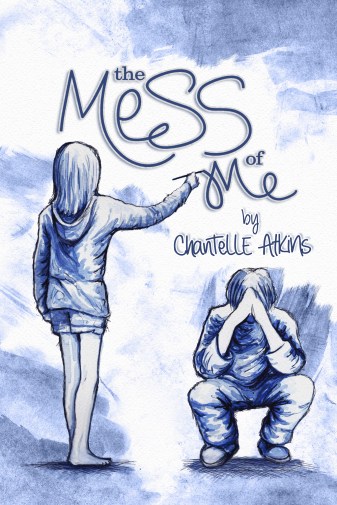
I remember struggling with this at the time though. And I’m still struggling now. Back then, I had written The Boy With The Thorn In His Side, Parts One and Two, but while it was with beta readers, I very quickly churned out The Mess Of Me. The two were written side by side for a while until eventually The Mess Of me won the race and was released first.

The Mess Of Me has a 16-year-old protagonist and is essentially a book about growing up and the many teenage issues that go with it. At the time though, I didn’t think of it as Young Adult or as being aimed at teenagers.  I just listened to the voices in my head, as I always do, and they were young.  I soon figured out that not categorising and marketing The Mess Of me as YA was foolish and ridiculous. I had to get my head around something then. Was I a YA author? Did I just write YA?
themessofme-BLANK (1)

I didn’t have a problem with this as I have never grown out of loving YA books, and although I read a lot of genres, I do frequently return to YA and always feel like I am coming home. The problem was the next book. Though also having a teenage protagonist, and dealing with teenage issues, it was far harder to classify. Partly because the teenage narrator grows up and becomes an adult, and partly because there are two narrators for Parts One and Two, and the second narrator is an adult. In my head, this book was never aimed at anyone. I just had it in my head and wrote it.

I’ve got to be honest, this has mostly been my approach since too. This Is Nowhere features a grown man, but every other chapter dives back into the past to when the character is a young boy and teenager. I always felt like this one was probably better suited to adults though, so I categorised it accordingly.

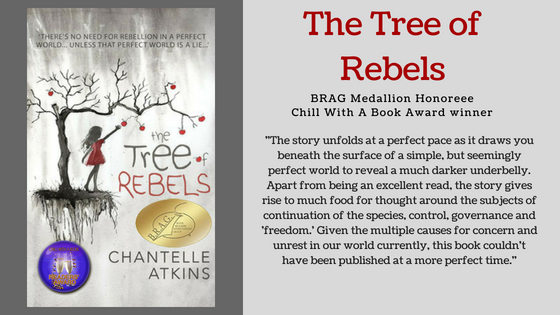
The Tree Of Rebels was the first and only book I wrote with a deliberate audience in mind, and I think I mentioned on here several times while writing it, that this made it the hardest book to write. It sort of altered how I felt about the book. It was like I was trying to write to please someone the whole time.
The Tree of Rebels

Since then, I returned to just writing what I wanted to write and not imagining the reader first. This is fine when writing, but presents all sorts of problems when the time comes to publish the book. What categories and keywords do I choose? How do I market it? What genre is it? How do I find the people who will like this book?

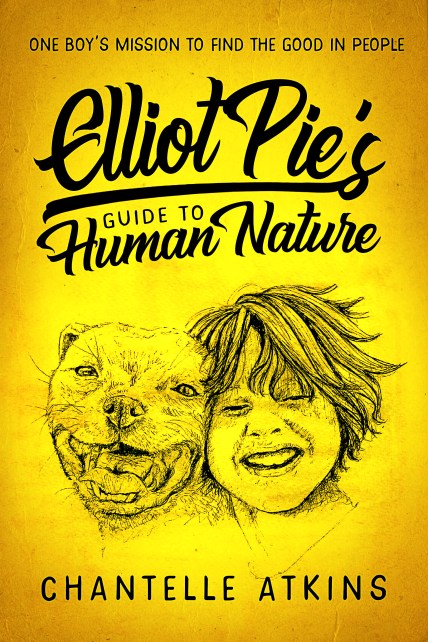
Elliot Pie’s Guide To Human Nature is a classic example of why I am still in such a muddle and still struggling to find my readers. It has a young narrator, but also an adult one. The adult themes, for me, make it more suitable for adults than teens, but Elliot’s day to day life and outlook are something that will more than likely resonate with young people. I still find it hard to describe the genre of this book. Definitely coming-of-age but also contemporary women’s fiction? Maybe even UpLit?
JshHMmZ

With Parts One and Two of the new, revised The Boy With The Thorn In His Side series almost ready to be released, and Parts Three and Four being polished up in the background, my mind has once again returned to my elusive reader. 2019 will continue to be busy as I plan to release YA novel, A Song For Bill Robinson and possibly it’s almost finished sequel, Emily’s Baby. My list of novels is growing longer, but I still don’t know who my audience is. It’s tricky when you cross over so many genres. Most of my books cross into two or more, with psychological thriller, suspense, crime, coming-of-age, mystery and dystopian all regularly showing up.

So, who is my reader? What sort of person reads my books and likes them? I only have a small audience, so it’s hard to speculate. But I suppose really, my reader must be someone quite similar to me. I imagine them as slightly scruffy, or at least not terribly groomed and over bothered with appearances. They probably make an effort when they can, and they probably berate themselves fairly often about sorting out some kind of ‘look’, but it never really feels urgent to do so. They are probably young at heart. Stuck in the past, tinged with nostalgia, reluctant to admit and give in to adulthood. I think they are a music fan. They probably like all sorts. They’re not narrow-minded about it at all. They’ll listen to anything, but they have their favourite era of course, and their favourite songs. They see life in songs. Soundtracks are everywhere.
record-player-1851576_640.jpg

What else? I imagine them as liking animals and nature. Not in a really obsessed, or professional way, just in that seeing a bird or a deer unexpectedly will really make them smile and have a better day. I think they enjoy being outside, all weathers too. Being outside makes them feel more alive.
hirsch-643340_640

I think they are introverted but friendly and warm. A bit cynical and suspicious at times. Prone to the odd dark mood. Likely to panic about once a month about how the world is utterly doomed. But they always brighten up and soldier on. Despite being naturally shy, they are really interested in people, genuinely intrigued by them. They love a spot of people watching and love a character-driven book they can really get their teeth into. They are looking for stories about humans they can relate to and empathise with, and they are looking for characters to fall in love with, characters they wish were real.

They want to disappear inside a book and come out feeling different. They don’t want anything too formulaic or predictable. I think they are a bit of an eccentric at heart. They probably talk to themselves.

This is how I imagine my readers to be and I shall continue to do my best to try to find them. What about you? If you are a writer, do you know who your audience is? If you don’t know, does it make it harder to sell your books? If you’re sure of your audience, tell me about them. What are these people like? If you’re a reader, do you imagine yourself as part of a genre tribe, full of similar and like-minded people all connected by an appreciation of mysteries, or romance, or horror?

Please feel free to comment and share!