Growing Your Own; A Positive Rebellion

Gardening is a lot like writing. It starts with a seed, and with love, care, attention, commitment and imagination, it grows into something much, much more. For me, gardening and writing are similar because they both involve creating something positive and injecting it into the world. They both make the world brighter and better. They both involve hope, love and rebellion.
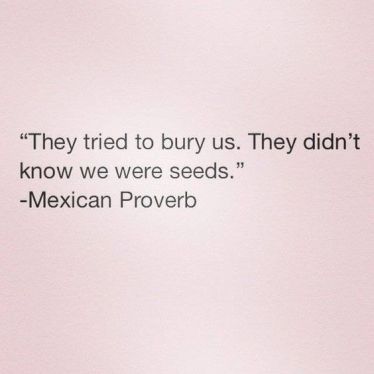
seedsproverb

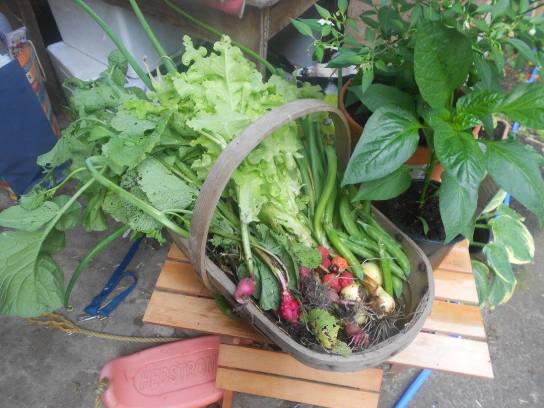
I’ve always been attracted to gardening. My parents grew vegetables when I was a kid, and so did my grandparents. I have fond memories of sitting on cool concrete steps with a plastic bowl on my lap, popping peas from their pods. There is nothing in this world quite as divine as the pungent scent of a full grown tomato plant. As soon as I had my own place, I started growing my own. There is something so deliciously simple and satisfying about planting a seed and growing it into a plant, from which you can pick and eat food. If you’ve never had the pleasure, I can assure you it’s an incredible feeling. Like all is well with the world. Like you’ve just solved all the world’s problems, by tugging out a handful of carrots and shaking the dirt from their roots. It never fails to make me smile, the sight of home grown food, picked and ready to eat. It just makes you want to sit back and go ‘ahh’.
13920054_1231406820211914_1274144773204141057_o.jpg


We live in tumultuous times. There are many days when I want to avoid the news, for fear of what will dismay or horrify me next. I sometimes wish I could turn the clock back for all of us, back to a simpler time, where we all grew our own food, worked the fields, and reaped what we sowed.

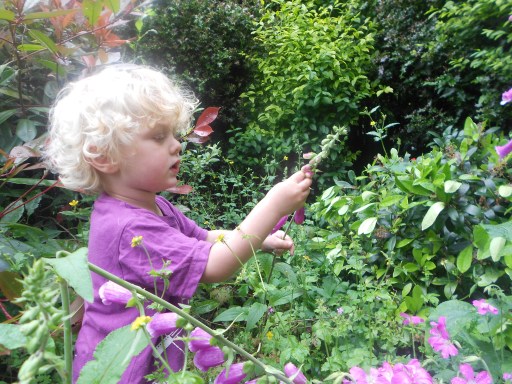
When I am feeling distraught, just like writing, gardening will make me feel better. I forces me to take a deep breath, it forces me to get on with things, to get on with life, and to do something positive. Getting my hands dirty, feeling the soil under my finger nails, pushing seeds into the earth, it all helps me to feel grounded again and more in control. Being outside, kneeling in the dirt, choosing what to plant, putting my back into turning over the earth, it helps me remember where I come from, where we all come from. Gardening is therapeutic; I keep telling people this. I get my little man out there with me, and I want him to feel the earth and take care of the seeds, and tend them and watch them grow. Right now, I can’t think of anything more important for him to know and understand.
dscn3095

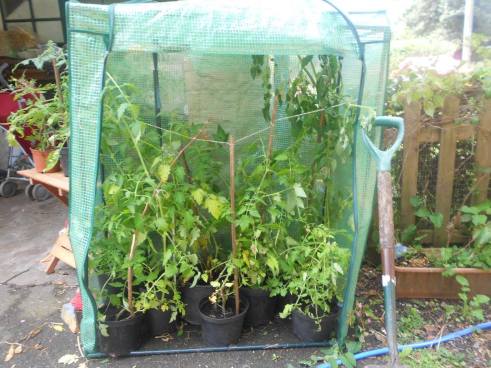
Gardening grounds me, calms me and satisfies me. From the beginning, it is a labour of love and good intentions. I have the old adage of ‘you reap what you sow’ in mind nearly always, for I know I will get back what I put in. The seeds are the hope, you see. Like new life, bursting with potential. A freshly dug and turned over plot is like the womb, spongey and fresh, eager to provide and sustain. It’s exciting from the first moment you plant the seed. When it rears its head, it’s like birth. You care for it, water it, protect it and finally, you are rewarded with food. The cycle of life right there. And around it goes again, the plant itself providing the seeds from which to start the whole process again.
13923592_1231407403545189_8560900702571823766_o.jpg

When I’m in my garden, I’m calmer and happier, but I am also filled with grit and determination. For I am taking back control. Working the land, growing our own food used to be the norm. It was how we survived. But over time the food industry grew into a monstrous thing, delivering us convenience, but taking away so many other things. What have we traded, what have we compromised on in order to be able to do all our shopping under one huge roof? We’ve not only handed over control of the food chain to massive faceless corporations, we’ve compromised on animal cruelty and environmental damage and destruction. We’ve increased waste massively, through packaging, delivery, and distribution. We’ve lost contact with what is put into our food, what it actually is, where it comes from, and what or who has suffered in order for us to have it exactly as we demand it.

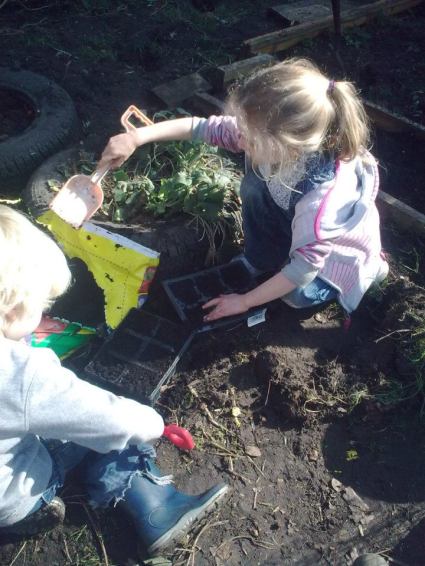
When you try to grow your own food, you remember how it used to be, how it could be again, how important it is to get back that control and to reconnect our roots with the earth we walk on. We have no respect for nature when we are removed from it. When all the hard work is done for us, when we have no idea how foods are made or what is in them, or what damage has been done to the planet in order to obtain them. I believe it’s crucial we teach our children where food comes from. Reconnecting them with the earth and their own wild roots is going to become increasingly important.
429116_371518756200729_1266579260_n.jpg

It’s not easy for everyone to grow their own food. Not everyone has the space and barely anyone has the time. But in years to come, I truly believe it’s going to become imperative to learn how. We are going to struggle to feed people on this planet for many reasons. Climate change may be the biggest challenge of our generation, endless war, struggling economies and falling wages will all take their toll. I’m sure I’m not the only one who has noticed that food prices are rising.

Growing your own food, planting a vegetable patch, may be just about the most positive and rebellious thing we can do right now. It’s two fingers up to the establishment, it’s a break away from slavery to the supermarkets, and a refusal to be complicit in animal cruelty, environmental destruction and the taking from those who have less.

Growing your own is saying, go away, I don’t need you, I can do this on my own. I’ve got a new motto this year in my house. It’s ‘I won’t buy it, if I can make it myself.’ Now this only applies to food so far, and is a work in process, but a good intention heading in the right direction. I’m digging my heels in and saying no. I don’t need to buy supermarket naan bread when I make a curry, because I can save the packaging and make my own. I don’t need to buy pizzas, or jam, or pastries or pies, sauces, breads, cakes or biscuits, because I can make my own.

I need to be outside right now. This world is breaking my heart and filling me with terror. I need to be planting things, growing things, nurturing things. I need to be responsible for new life and hope and potential. I need to believe that good things can happen if you are a good person. I need to believe that there is a possibility for a greener, brighter future for my children.

When I am writing or gardening, I am reminded that I still have power.


Beta Readers; How and Why?

Several months ago I was convinced that my new novel, Elliot Pie’s Guide To Human Nature was ready. I sent it to a tried and trusted beta reader who very patiently and kindly informed me that it really wasn’t. I listened, realised she was right, and tackled it again. And again. And…well, you know how it goes. Finally, a few more months down the line, I thought, okay, this is it, I’m happy, really happy! I’d addressed all of her concerns and it was definitely a much better book. I then sent it to another beta reader, quite arrogantly expecting her to gush with excitement about how ready it was. She didn’t. It wasn’t. Repeating these things to my husband, he asked a very important question. How do I know the beta readers are right?

This is an excellent question and one worth addressing. But first of all what should you look for in beta readers and why do you even need them?

You need them because you are far too close and subjectively involved in your marvellous work of art to see its flaws. It is very difficult for an author who is in love with their story, to be able to see where the pace is too slow, or the information repetitive. You may not realise how much of you and your beliefs and opinions are seeping into the book. You may not realise that there is too much dialogue, or not enough. It is your baby, your child, your masterpiece. Yes, your relationship with it is up and down. You love it and then you hate it. You are filled with self-doubt one moment, only to be surging with confidence the next. Either way, you need beta readers to bring your down to earth. You need them to tell you what is good about the book and what is not so good about the book. Of course, you don’t have to accept their advice, and you certainly don’t have to act on it, but to release a book or submit it to publishers without using beta readers would be, in my opinion, insane.

So, what should you look for in a beta reader? I think this is quite a personal thing and may also depend on your genre of writing, but here are the things I look for and require in my beta readers.

  • they need to have already read my work and connected with it
  • they need to be somewhat connected to me and my life, and have some knowledge of my beliefs etc
  • they need to be highly educated, or at least way better at grammar than I am!
  • they need to be an avid reader, someone who consumes books like an addiction
  • they need to be open to most genres, not snobbish or narrow-minded
  • they need to be breathtakingly honest and not scared to offend
  • they need to be able to understand how a book could be made better
  • they need to be prepared to read the book at least twice and make notes

What sort of things should a beta reader be looking out for when reading your work? Well, again this is very personal, but I will explain the way I often approach it. With Elliot Pie, I wrote the book quite naturally, just letting it flow as you do with a clumsy first draft, worrying about the finer details later. I finished the very first messy draft just over a year ago, and I honestly didn’t think it would need too much more work! This goes to show how blind you can be about your own writing. I did a few more drafts before sending it to the first beta. At this point I was looking for opinions on the plot and the actual story and on the characters. Did they work? Were they real enough etc? What about the structure of the plot and the flow of the narration?

What I got back was very interesting and resulted in me changing a lot of the chapters around. The beta had loved the characters (yay!) and the story but she found the pace too slow in the middle of the book and she guessed the ending. Not too big a problem, as it’s not supposed to be a real twist at the end or anything, but she did help me work out ways I could knock the readers off course a bit. She was also right about the pace. It was too slow in the middle and lots of it needed to go.

Job done. I attacked the book again, and again and again. Each time I went through it, I cut bits out, added bits, fleshed the characters out more, and wrote lists as I went which consisted of the things I still needed to do when this draft was done. I considered my work done when the lists ended. As far as I was concerned I could do no more. Yes it would need some more proofreading and a few more read throughs, but I was happy. More than happy.

I sent it to the second beta reader as she is my biggest critic and I knew she would be intensely honest. There was no way she would hold back if there was anything about it she thought could be better. We ended up having several Skype chats while she went through her very detailed notes on the novel. I made lists, nodded and listened. The more she talked, the more I realised how right she was, and the more I felt my own subconcious misgivings becoming unearthed. Everything she said about the book was true. I had written it in both first and third person. A bit of a challenge, yes, but that was just the way the story presented itself to me in the first draft and so I went with it and ended up sticking with it. This meant that all of Elliot’s, (the 12-year-old protagonist) perspective is in the first person. We are entirely inside his head. And in my opinion, that’s a wonderful place to be. I find him interesting and funny and amusing, you see. Of course I do, I created him! But would the reader think the same? Or would they find the narrative repetitive as he talked them through his little world? Was I telling them far too much detail when a lot of it could be shown rather than told, or omitted altogether?

I sat and nodded grimly and knew that my beta was right. I had climbed inside his head and got lost there. I was way too close and way too involved. I loved him too much but I needed to get back out and get some distance. I suggested changing his view to third person and the beta had thought the same thing. The more we thrashed it out, the more I realised how many problems this would solve. I actually began to get excited. There were other issues too, aside from POV, but I won’t go into them now as they will probably pop up in another blog post.

We talked about how I’d had a similar problem with The Boy With The Thorn In His Side. (Again, this is where history, friendship and connection aid the beta/writer relationship) Originally written in the third person, from all the characters point of view, it was eventually rewritten into the first person, and from two points of view. At the time I was both terrified and excited to take this machete to my work, to slice it up and stitch it back together again, to tell the story in a totally different way. I knew I would lose tons of scenes and perspectives and dialogue and this saddened me beyond belief. But it worked.

With Elliot I have the same problem but in reverse. I need to lose the first person, get some distance from Elliot and tell the story in a different way. There is a lot of work to be done, but the groundwork is all there. The second beta also loved the actual story, the plot and the characters and found the pace just right.

I am so glad I gave it to her to dissect. But back to the original question? How do I know she is right? How do I know either of them are right? I know because as soon as they voiced their opinions, I knew I had been thinking the same thing all along. All they did was confirm what I already knew deep down inside. I just didn’t want to admit it to myself, because admitting it meant even more work, even more drafts, even more editing and proofreading, and it means the other books that are on hold waiting for this one to be done have to keep waiting and waiting and cramming my mind and driving me insane! I wanted the book to be ready so badly I had convinced myself it was.

But I can’t let a book go until I am sure it is the best it can be, and in my case, my betas are there to help me get to that point. I can’t thank them enough for the time and effort they invest in me and my books. I trust them implicitly and I know I am extremely lucky to have them.

But what about you? Do you use beta readers and if so how did you find them? What do you look for in a beta? Have they ever felt differently to you about a book being ready for release? How have they helped your books reach their full potential? Have they ever been totally wrong? Please feel free to comment and share!


Prove Them Wrong

Sometimes I think that the best piece of advice I have received in my life came from a fictional character I created myself. Strange, eh? In The Boy With The Thorn In His Side , Michael is often nudging Danny along by suggesting he ‘prove them wrong’. Now is not the time to go into who ‘they’ are, but I am sure you have your own ‘they’. I’m sure that whatever your passion, whatever your dream, there is or has been someone somewhere expecting you to fail.

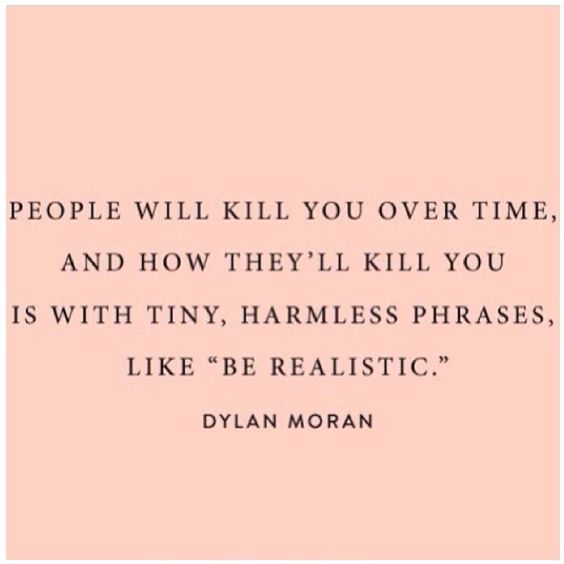
When I was a teenager, I called them the Plan B Realists. They liked my Plan A, which was to become a writer. They smiled at it and nodded and thought it was sweet, but they didn’t think it was realistic or sensible. It wasn’t a real plan, they said. There is no money in it, they said. I tried to ignore them at the time but fear becomes ingrained. Not being successful, not being able to support yourself, not making your loved ones proud of you, becomes too much to risk. It took me a long time to realise life is about pleasing yourself, not other people, and that maybe all the Plan B Realists had Plan A’s too once, ones that they failed to follow.

c93cee3c9b380d6a0a991d14837565f8

As well as the ones who like to piss on your fireworks, I’m sure you’ve got a fair share of the eye-rollers too. You know the ones who basically change the subject if you talk about what you do. Fair enough. Then there are the ones who are so impossible to please, you could become the highest earner in the family, own a yacht, buy them a house and still be the person they just cannot see.

Michael’s words come back to me whenever I am feeling unsupported or ignored and whenever I experience doubt in my journey as a writer. The words stir a steely resolve inside my quivering belly and help hold me still. If you sometimes feel like no one is listening anyway and perhaps they never were, like no one sees you or remembers you, like your voice is too small, like it fades away before it even begins, then perhaps you could also take some advice from Michael and tell yourself to prove them wrong. And that really mean proving yourself right.

5d0fbaff309327783f82445fcc27ba8a

Even if it hurts to acknowledge it, and it’s like there is something loose and rattling inside of you that is scrunched up, and batting around from one side to the other, and it’s like you can’t breathe properly when you think about it, when you think about them – it’s like you’ve been running from something that wants to crash into you if you ever let it catch you up – try to remember this. That there might never have been intentional malice in their words or actions, just a carelessness with your soul. That maybe you are family who really shouldn’t be, that you are so different  from each other that it makes it impossible to recognise what you see – Remember that maybe they did the best they could with all that they had, and that maybe they did better than their parents did with them, and remember that you will do better still.

You will never make your children feel less than wanted and valued and longed for, and you will never have favourites, those that shine and those you allow to fade, and you will always allow them their rightful dreams and be there by their side to guard them so that they are never lost to cold realism.

Maybe they weren’t there and didn’t care, maybe they turned their back or simply looked past you. Maybe you were not what they wanted, or not what they needed. Maybe they will see it one day when it is all too late. Maybe they won’t. Maybe one day all of your dreams will come true and you will finally be able to turn around and say look, I did it, I told you I could, and maybe they will still not care.

If they doubted you or mocked you, ignored you or neglected you, if they turned you away because they knew no better, then prove them wrong and do it well. Whatever it is, whoever you are, whatever your passion, do it anyway, and make it your life’s duty and purpose to prove them wrong. Do it anyway and do it well, and do it for yourself, and let their scorn and disinterest spur you to work ten thousand times harder than you would have without it. Let it be the fuel from which you draw the energy to keep going, to hold your head up high, to hear your voice getting surer and stronger. Let it make you harder and faster and brighter and smarter than you would be had you had all the love and support in the world.

Rise above. Move on, and may they choke on their words as you prove them all wrong.

7b57b9013804663cc3d017f00da4ff60.jpg

Getting Out of The Dumps

Last week I posted very excitedly about my writing goals for 2017 and I was feeling very vibrant and energetic with the start of a new year, full of possibility. I was just brimming over with exuberance and ambition. Annoyingly so, I feel.

This week? Not so much.

Call it the post Christmas and New Year anti-climax. Maybe that’s what it is. A sort of slumping of the shoulders at the months of cold weather ahead. A general loss of enthusiasm, I guess.

Writing is a strange affliction, where you are constantly indulging your selfish dreams and passions, your desire to write, while at the same time, constantly battling self-doubt and reality checks. I know I am not alone when I ask myself on a regular basis, what the hell am I doing this for?

Well, the answer is still the same and always will be. I’m writing because I have to, because I’d go crazy if I didn’t, because I live in perpetual hope and aim to keep getting better.

That’s enough, believe me, it will always be enough. But when slumps like this hit, it can be hard to claw your way back up again. So I thought I would attempt to list the things I am feeling down about, and then try to counteract that with a list of things to feel hopeful about, possibly with the result of cheering myself up. We’ll see!

Down

  1. Doing my tax return. Yep, it’s that time of year again where I am smacked right in the face with how little I earn at what I do. This then leads to building guilt and panic telling me that I need to stop it all now and get a real job fast!
  2. Lack of interest/support from loved ones. This is not uncommon, in fact pretty much every indie writer I know has experienced this. I even wrote an article about it for Author’s Publish which went down rather well. Like I said in that piece, it’s not always what you think it is, it works both ways, there are so many reasons why, blah blah blah, but just for a moment let’s acknowledge that it does actually hurt. Which leads to further self-doubt and guilt and telling yourself to just stop it.
  3. Lack of reviews. It’s nice to get sales but what authors really really want are more reviews. This is so we can find out what we are getting right and wrong! Even bad reviews are helpful as they add to the overall amount. With no new reviews, writers feel totally alone. It’s nice to get the odd pat on the back or helpful suggestion. New reviews pick you up when you feel close to quitting. They keep you going and make everything worthwhile.
  4. Never ending guilt. Yes, the guilt again. Guilt about not earning enough money, guilt about being almost constantly in another world of my own construction, guilt about wishing the kids bedtime would hurry up so I can get on the laptop and get writing. Ugh! So much guilt!
  5. Feeling like a fraud. Oh, this one is bad at the moment. It rears its head from time to time! I think it’s because I’m running an adult workshop in March and although I enjoy this and have done this before, this is the first time on my own, not with Dorset Writers Network, and every time I stand up and talk to other writers I feel like a massive fraud. I feel like I should say, Google me! Then decide if I’m worth listening to!  Same goes with writing my books. Some days I feel like a writer. I am a writer. Other days, not so much.

Up

  1. Face reality. I can’t realistically look for any other work that is not in some way self-employed or done from home as I have a two-year-old to care for. When he starts nursery in September, I will be looking at my options, and again when he starts school the year after that. So maybe I should stop worrying so much that I am not contributing. I’m raising him! And he’s awesome
  2. Some friends and family are with me all the way, so I need to appreciate and concentrate on these. Remind myself that no one shows a lack of interest deliberately to hurt me and that there are many, many reasons why this happens. Move on, head held high and remember to always, always, prove them wrong.
  3. Reviews are wonderful. They will brighten an entire week! They remind you that people are reading, digesting and reacting to what you have written, so yes, they are worth their weight in gold. I need to concentrate on making sure readers realise how important they are and I need to continue to approach book bloggers in order to secure more reviews.
  4. Well, the guilt will always be there. From when I was a child nick-named ‘cloth-ears’ to now when my husband accuses me of constantly thinking about characters and plots…It’s just who I am and I don’t think I would want to change anyway. I generally only write once the youngest is in bed, so it doesn’t steal too much time from the family. Maybe I should remind myself how artistic and creative all of my older children are. They’ve followed me in my love of books and reading, and if they’re not writing their own stories, they are making music and art.
  5. I think unless I truly ‘make it’ one day (whatever making it means!) I will always feel a bit like a fraud but I will try to remind myself that I have achieved a lot, and if I can offer words of advice or just talk about the mistakes I made in the beginning, with a writer at the start of their journey, then I am doing a good thing. I love running my writing group. The writers are unbelievably talented individuals, who also all happen to be bloody fun to be around. We talk a lot and laugh a lot. The same goes for the outstanding children who come to the kids workshops. As long as people keep turning up, then I guess I am doing something right!

Right, now I think I have talked myself out of that miserable little slump, how are you all doing post Christmas and New Year? It is a really weird time of year, to be honest. We’ve all eaten too much, drank too much, and watched too much telly. We’re struggling to get back to normal life, and January just feels so bleak at times. It’s cold and dark and Summer feels like it is never going to return. How do you cope with this time of year? What are the sort of things that get you down in the dumps, and how do you manage to cheer yourself up again? Please feel free to comment and share!