Why I Love Writing #2; It’s Free Therapy

Not that I would ever discourage anyone from seeking help for any mental health issue, or suggest that writing can replace professional therapy or counselling. However, there is no doubt in my mind that writing regularly is good for your mental health, for a whole host of reasons.

As this series of posts about why I love writing so much is personal, I’ll just talk about why it works for me. When I was a kid, I was painfully shy and awkward. I preferred books to real people and once I was old enough to write my own stories, I preferred that too. As I mentioned in last week’s post, I was forever being told that I lived in my own little world.

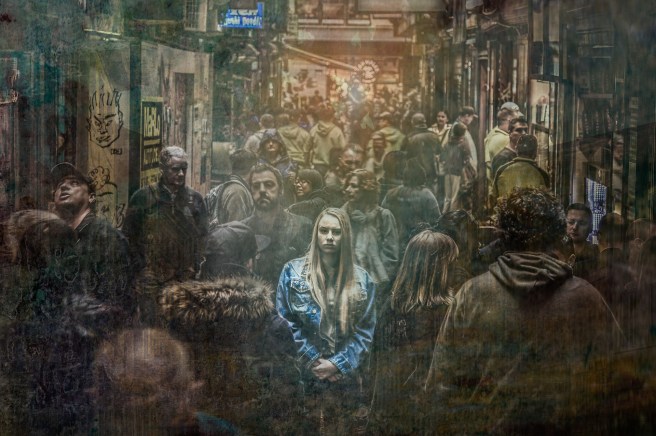
female-865110_1920

Now, being shy is not so bad when you’re a little kid. People often expect little kids to be shy. You can’t get away with it so much when you’re a teenager, and even less so when you’re an adult. Shyness is often then mistaken for rudeness or arrogance. You’re expected, quite rightly, to get on with things, sort your own problems out and be able to deal with life and the world.

I don’t think I could have done this if it wasn’t for writing. It was there for me when I was small; enticing me to create my own little worlds full of friends I wished were real. And it was even more vital when I became a teenager. I wrote diaries from a young age and often poured my heart and soul into them as I went through my adolescence. At the end of every day, there was my diary, waiting for me to expel the bad feelings, the anger, the hurt, the confusion onto the page. And how much better I would always feel afterward. Writing was not only for my diary though. I was seriously addicted to writing in my teens. It was what I rushed home for. I never wanted to be torn away from it. It was pretty much all I cared about. I don’t think I would have coped very well with adolescence if I hadn’t had writing. It helped me so much. I was able to express my thoughts and feelings, reflect, observe, question and have time to absorb what was going on around me. I got so much genuine joy from writing that it helped me hold my head above water and just get through it.

The same thing applies now. I turn to writing when I feel fragile. I turn to writing when I feel afraid. I turn to writing when I feel angry, dismayed, lost or frustrated. Writing is there when I need someone to talk to, when I want to organise and reorganise my words until I’ve finally figured out what I want to say. Writing allows me head space, time to breathe, time to think and work out how I feel. I’d be in chaos if not for writing. It calms me down. Cheers me up. It excites me. I’d be lost without it.

Why I Love Writing #1; I Don’t Have To Live In This World

There’s so much to say about why I love writing so much, I thought I would pen a little blog post series on the subject. It’s easier to break it down into separate pieces that way. There are just so many reasons I love writing!

typewriter-751566_1280

If anyone asks me why I love writing, I’ll usually answer by explaining that I get all these characters and ideas in my head and just have to write them down, or I would go mad.

But it’s really so much more than that. For me, writing is very similar to reading and the things that attract me are the same. When I’m absorbed in a really good book, it’s like entering another world. We all know that feeling. Maybe you get it from reading or from watching films or from listening to or playing music. You’re removed from the real world. You’re lifted above it and beyond it. You’re in the past, or the future, on another planet, another time, living and observing and experiencing another life. For a small and precious amount of time, until something in the real world interrupts you, you are gone. You’re not part of the real world and are utterly disconnected from your real life.

For me, writing provides the same thing. When I was a child, I was shy and awkward and extremely quiet. I melted into the background and both liked and resented this. There were things about the real world and my real life that I did not like and wished to escape from, and writing gave me this. Maybe even more so than reading a book, because writing your own stories is even more liberating. You’re in control, you’re like God, the puppet master, creating and destroying and moving people around like chess pieces. Once I started writing, I drifted away from the real world quickly and dramatically. I created my own.

People used to say to me all the time; ‘you’re in your own little world, aren’t you?’ And it was true. I really was.

paris-823883_1280

People still say that to me now, and these days writing is there when I don’t want to live in the real world anymore. And let’s face it, things are pretty bad right now. It sometimes feels like the destruction of this planet is something I simply cannot bear. It’s so pointless and needless, so utterly senseless how can any sane person possibly understand it? And then there are people. Human nature, such a complex, multi-layered thing. There are days when I’m floored by how cruel and heartless humans can be and I truly fear we’ve reached the end days, not just on the planet, but in our humanity. It feels so desolate and without hope. Of course, there are just as many days when humans surprise and delight me, and I remind myself that most of them are basically good and trying to be good. But on the bad days? Writing is an absolute Godsend. I couldn’t survive without it.

It’s in my head when I can’t physically get to pen, paper or laptop. So I’m already removed. I’m calmer. Less weighed down, less frantic, less panicked. Like when I was a kid, I’m off inside my own head. Entertaining myself. The stories go with me everywhere. I am never alone. And then when I get the time to sit and put pen to paper, or tap at the keys on my laptop, I’m gone again. I’m lost inside my own head and I’m free.

To me, writing sometimes feels like a rebellious act. Because when it revolts or disappoints me, I cannot be forced to live in this world. I’ll go if I want to. I’ll check out. I don’t have to stay. I can write.


Who Is My Reader?

One of the first pieces of advice I recall hearing when I started my indie publishing journey in 2013, was; ‘know your audience.’ It sounds so simple, doesn’t it? Know your audience, know who your reader is. Once you know who they are you can figure out how to find them, where they hang out on the internet, what social media they are likely to be on, what tags you can use to get their attention, who to market your books at and so on.

I remember struggling with this at the time though. And I’m still struggling now. Back then, I had written The Boy With The Thorn In His Side, Parts One and Two, but while it was with beta readers, I very quickly churned out The Mess Of Me. The two were written side by side for a while until eventually The Mess Of me won the race and was released first.

The Mess Of Me has a 16-year-old protagonist and is essentially a book about growing up and the many teenage issues that go with it. At the time though, I didn’t think of it as Young Adult or as being aimed at teenagers.  I just listened to the voices in my head, as I always do, and they were young.  I soon figured out that not categorising and marketing The Mess Of me as YA was foolish and ridiculous. I had to get my head around something then. Was I a YA author? Did I just write YA?

themessofme-BLANK (1)

I didn’t have a problem with this as I have never grown out of loving YA books, and although I read a lot of genres, I do frequently return to YA and always feel like I am coming home. The problem was the next book. Though also having a teenage protagonist, and dealing with teenage issues, it was far harder to classify. Partly because the teenage narrator grows up and becomes an adult, and partly because there are two narrators for Parts One and Two, and the second narrator is an adult. In my head, this book was never aimed at anyone. I just had it in my head and wrote it.

I’ve got to be honest, this has mostly been my approach since too. This Is Nowhere features a grown man, but every other chapter dives back into the past to when the character is a young boy and teenager. I always felt like this one was probably better suited to adults though, so I categorised it accordingly.

The Tree Of Rebels was the first and only book I wrote with a deliberate audience in mind, and I think I mentioned on here several times while writing it, that this made it the hardest book to write. It sort of altered how I felt about the book. It was like I was trying to write to please someone the whole time.

The Tree of Rebels

Since then, I returned to just writing what I wanted to write and not imagining the reader first. This is fine when writing, but presents all sorts of problems when the time comes to publish the book. What categories and keywords do I choose? How do I market it? What genre is it? How do I find the people who will like this book?

Elliot Pie’s Guide To Human Nature is a classic example of why I am still in such a muddle and still struggling to find my readers. It has a young narrator, but also an adult one. The adult themes, for me, make it more suitable for adults than teens, but Elliot’s day to day life and outlook are something that will more than likely resonate with young people. I still find it hard to describe the genre of this book. Definitely coming-of-age but also contemporary women’s fiction? Maybe even UpLit?

JshHMmZ

With Parts One and Two of the new, revised The Boy With The Thorn In His Side series almost ready to be released, and Parts Three and Four being polished up in the background, my mind has once again returned to my elusive reader. 2019 will continue to be busy as I plan to release YA novel, A Song For Bill Robinson and possibly it’s almost finished sequel, Emily’s Baby. My list of novels is growing longer, but I still don’t know who my audience is. It’s tricky when you cross over so many genres. Most of my books cross into two or more, with psychological thriller, suspense, crime, coming-of-age, mystery and dystopian all regularly showing up.

So, who is my reader? What sort of person reads my books and likes them? I only have a small audience, so it’s hard to speculate. But I suppose really, my reader must be someone quite similar to me. I imagine them as slightly scruffy, or at least not terribly groomed and over bothered with appearances. They probably make an effort when they can, and they probably berate themselves fairly often about sorting out some kind of ‘look’, but it never really feels urgent to do so. They are probably young at heart. Stuck in the past, tinged with nostalgia, reluctant to admit and give in to adulthood. I think they are a music fan. They probably like all sorts. They’re not narrow-minded about it at all. They’ll listen to anything, but they have their favourite era of course, and their favourite songs. They see life in songs. Soundtracks are everywhere.

record-player-1851576_640.jpg

What else? I imagine them as liking animals and nature. Not in a really obsessed, or professional way, just in that seeing a bird or a deer unexpectedly will really make them smile and have a better day. I think they enjoy being outside, all weathers too. Being outside makes them feel more alive.

hirsch-643340_640

I think they are introverted but friendly and warm. A bit cynical and suspicious at times. Prone to the odd dark mood. Likely to panic about once a month about how the world is utterly doomed. But they always brighten up and soldier on. Despite being naturally shy, they are really interested in people, genuinely intrigued by them. They love a spot of people watching and love a character-driven book they can really get their teeth into. They are looking for stories about humans they can relate to and empathise with, and they are looking for characters to fall in love with, characters they wish were real.

They want to disappear inside a book and come out feeling different. They don’t want anything too formulaic or predictable. I think they are a bit of an eccentric at heart. They probably talk to themselves.

This is how I imagine my readers to be and I shall continue to do my best to try to find them. What about you? If you are a writer, do you know who your audience is? If you don’t know, does it make it harder to sell your books? If you’re sure of your audience, tell me about them. What are these people like? If you’re a reader, do you imagine yourself as part of a genre tribe, full of similar and like-minded people all connected by an appreciation of mysteries, or romance, or horror?

Please feel free to comment and share!

Bye Bye Book Baby…8 Tips To Survive Launch Day

Books start off as a wholly private thing. An idea, a spark, a what if? A character, a voice, a problem. All in the author’s head. Swirling around, mixing and sloshing, growing and evolving and swelling until finally it all bursts out. Into notebooks, into notes saved on mobile phones, into character bios and storyboards and plot outlines and research. And then, word by word, page by page, into an actual book. By this time you might be sharing bits here and there. You might be talking about the plot with other people, or asking for advice. But in the beginning, it’s entirely private.

Then comes the day you hand it over to carefully picked beta readers. You wait and dread and hope, and then take a deep breath when you start to digest their inevitably and wonderfully critical feedback. You work on it again and again and again.

Until the release day looms. That first spark of an idea, that grew and moulded itself into an actual book, is as perfect as it can be and finally, it’s time to say goodbye. And I always forget just how scary this is. Handing over to beta readers is hard enough, but usually, they are people you know and trust, and you know the book is not finished and still needs more work, so it’s easier to take the criticism.

JshHMmZ

But after release day? The public have your book in their hands! And hopefully, they are going to read it, react to it and possibly review it. Scary stuff. There’s an element of wanting to avoid this, though obviously, we write to reach people, to pass on stories and lives and messages, however, there is no denying it’s hard to say the final goodbye. Good luck out there book baby, you are on your own now.

Here are my top tips for surviving release day;

  1. Whether you’ve arranged a physical launch or an online one, or something far quieter, ensure you’ve done all the hard work days before it kicks off. So blog posts, interviews, early reviews and graphics are all organised and ready to go. You’ll be nervous enough on release day and don’t want to be rushing around putting last minute things together.
  2. Enlist some fellow author friends to help you on launch day. They’ve been there, so know how it feels! You could ask them just to help share and Tweet your book link and reviews, or you could go further and ask them to co-host your event with you. Safety in numbers, plus you might need the moral support!
  3. Have another project on the go. Releasing a book and finally saying goodbye to it can make you feel a bit flat. I like to have another project already on the go to take my mind off the one leaving home. You can spend release day promoting and squeeze some fresh new writing in as well.
  4. It’s never too late to fix typos. Lingering typos are a constant fear. You’re sure you’ve got them all, mopped them all up on the millions of times you’ve gone over your book, but you know full well they can still creep through. But the great thing about indie publishing is that if some kind soul lets you know they found one, you can quickly amend it, republish and no one else need ever know!
  5. It doesn’t have to be goodbye forever. Part of you is so glad to get this book released, to finally have it done and out of the way, but another part of you feels a bit like your baby is leaving home and never coming back. Not true. You’ve still got to promote the book and that lasts forever. You can revisit the characters and the plot any time you want with extra short stories, character interviews and so on. You can even write a sequel or make it into a series…It doesn’t have to be over!
  6. Goodbye to one book makes way for the next. It’s hard to concentrate on the next book when you are waiting for one to move on. Once it’s gone, once it’s fully out there, you can breathe a sigh of relief and start paying proper attention to the next ones waiting to be written!
  7. Make sure you have some wine in to celebrate. Or whatever takes your fancy, Release day can be pretty exhausting, followed by a flat feeling and feelings of anxiety about how readers will react. Take deep breaths and have a drink or two to calm your nerves and celebrate what you have achieved.
  8. Enjoy it! Release day is scary and somewhat emotional, but don’t forget to have fun and allow yourself to enjoy it. It is your special day after all, and one you have worked amazingly hard for!

I’ll be saying goodbye to Elliot Pie on October 5th, but you can pre-order the novel right now here on Amazon, for just 99p! This is a special pre-order price and it will go up on release day! So grab your bargain copy right now and don’t forget to leave a review afterward to let others know what you thought!