A character building activity with my students
This week in my creative writing clubs for children, we were looking at characters. The children I work with are well-rehearsed on the art of character building. They know how to create a basic character bio and how to develop it into a more complex character profile. This week I offered up a different way of building characters using clues and it got me thinking…
For the activity, we started with me offering some clues about a character. I picked a character I already had, and the clues were a camera, a cloak, some black boots, rolling green hills and a gift shop. They then had to create a character based on the clues. They had to name the character, give them an age, a physical description, a personality description and more. It was fascinating to see how close some of them got to my actual character!
We then turned the activity upside down and they had to give clues about a character they had created. Once they had a list of clues (they could use pictures or words) they had to swap with a friend and each try to create a character based on the clues.
Again, it was fascinating how close some of us got to a character by using the clues we had been given. One student, for example, posted pictures including some badges with aliens on, a purple scarf, and purple material. I instantly came up with a character called Deirdre Drake, who was obsessed with alien life due to an experience she had as a teenager. She loved watching The X-Files and wrote FanFiction. I got the gender right and personality mostly right, but I got the age wrong. I did get it right that she wrote FanFiction!
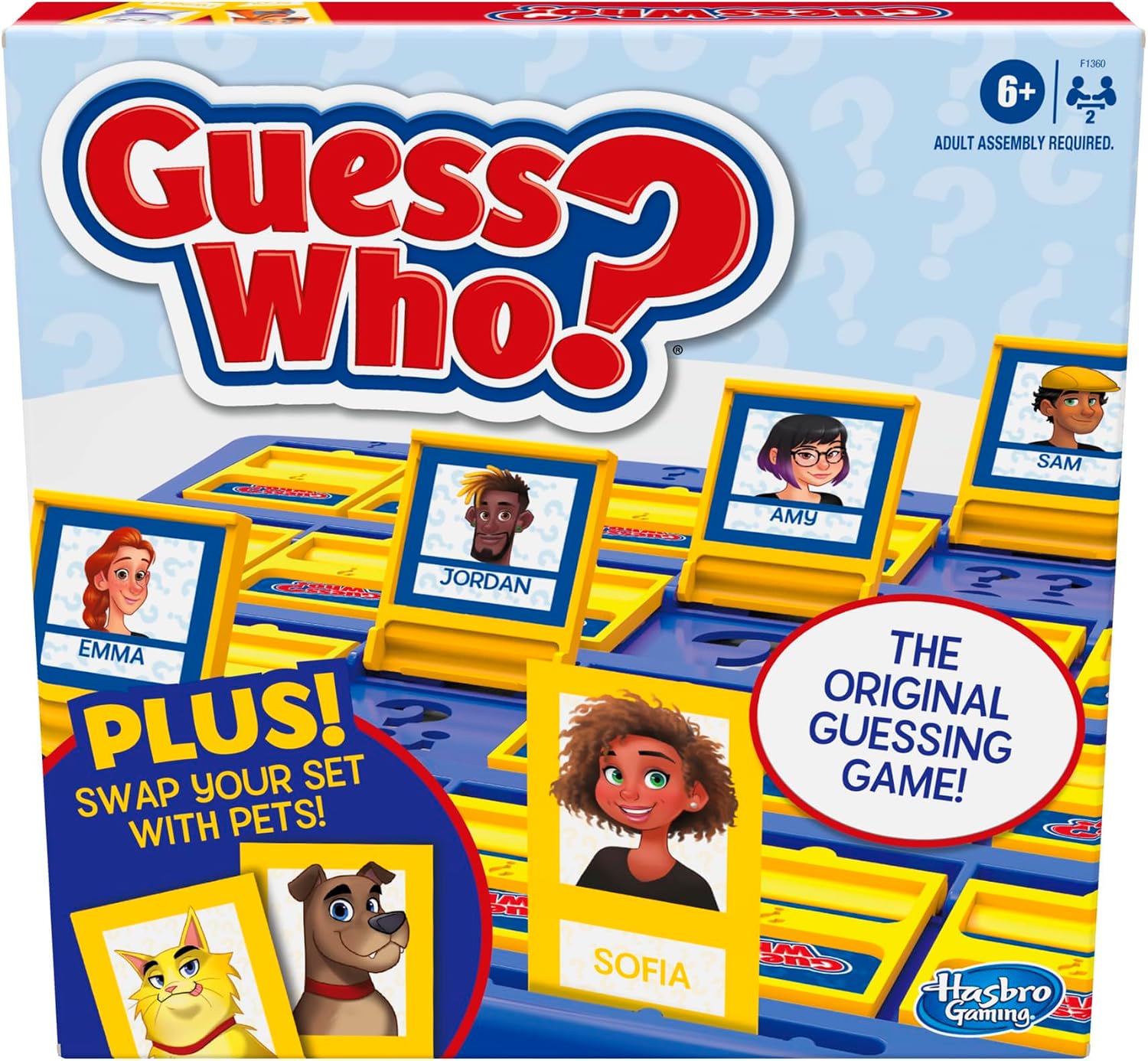
We had a lot of fun with clues and character building in our online clubs this week, and in the school clubs we turned the activity into a game of Who Am I? Or Guess Who? They could either draw or write clues about a character real or made-up then swap with a friend to fill in the answers and guess who it was, or they could create their own guess-who style board by creating characters and giving them different features. This was a lot of fun and it went down very well. It also prompted discussions about what makes a character, and indeed, what makes us who we are.
If you were to choose ‘clues’ to help someone get to know you, what would you pick? If someone was to turn out your coat pockets, rifle through your bag, or look through your CD collection, what would they be able to tell about who you are? If you were gone and only your possessions survived, what could people determine about your personality and life by looking through them?
It’s interesting to me as a writer how our physical looks, clothes, the objects we hold dear, and the places we visit shape who we are. These are all things writers should consider when building a character.
If someone was to walk into my house without me here, they would soon know that I love animals, books and music. The pinboard next to my writing desk and the books with my name on them would tell them I am a writer. The bag I take to school clubs full of glue sticks, scissors, paper and pens would suggest my day job. My CD and DVD collections would tell the story of someone clinging to the old analogue world. My coat, welly boots and Converse trainers might suggest something about my personality… How close could a stranger get to knowing me by looking at the clothes and objects I own?
As people we are a combination of the time we grew up in, the part of the world we were born in and the way we were treated as children. We are also a result of genetics, of chance, and of the experiences we have lived through. We inherit looks and personality traits from our ancestors, while the environment we exist in shapes us further. And then there is the part of us that is just us, not influenced or controlled by anything else.
I am always encouraging my students to be people watchers. The best way to build and flesh out complex characters is to observe other humans. Take note of their clothes and and accessories and determine what they suggest about them. Pay attention to facial expressions, gestures and ways of speaking. Think about the things they care about, their hobbies and interests, the objects they hold dear.
The little bits and pieces that make up who we are.

